
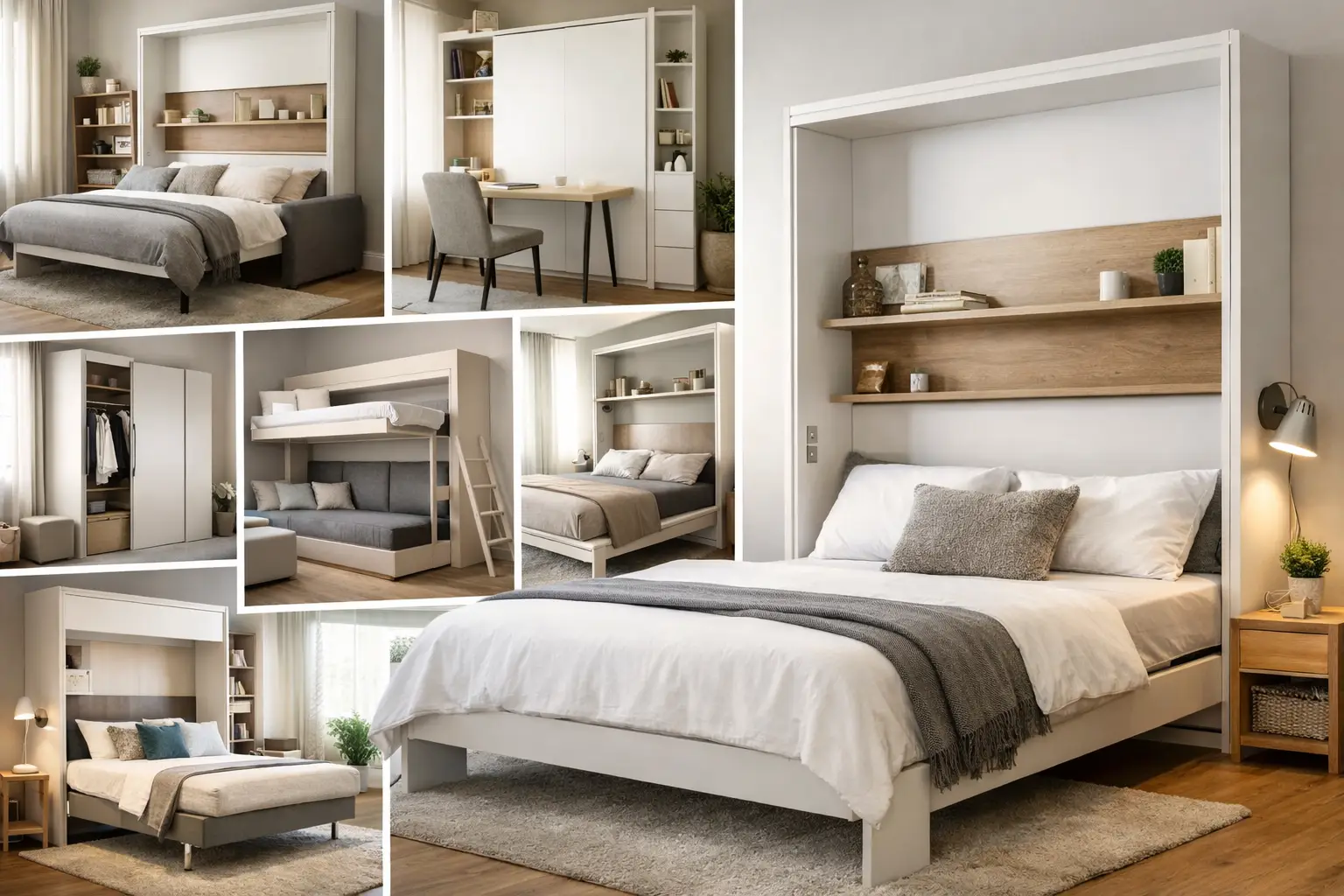
A small room starts feeling cramped the moment the bed takes over. That is exactly why wall bed ideas for small rooms are worth a closer look. When the bed folds away, the same square footage can serve as a guest room, home office, study space, play area, or just a less crowded bedroom that feels easier to live in.
The key is not just buying any wall bed. The best setup depends on who uses the room, how often the bed comes down, what storage you still need, and how much walking space you want to protect. In compact homes, especially where every wall matters, the right design can make a room feel intentional instead of overfilled.
What makes wall bed ideas for small rooms work
A wall bed is most useful when it solves more than one problem at once. It should save floor space, yes, but it should also support your everyday routine. If the room is a home office on weekdays and a guest room on weekends, the design priorities will differ from a child’s room or a studio setup.
Size matters too. A twin or full wall bed usually gives you more freedom to add a desk, wardrobe, or open floor area. A queen wall bed is great for daily sleeping comfort, but it asks for more planning around clearance and side access. There is always a trade-off between sleep surface and usable daytime space.
You will also want to think about opening direction, cabinet depth, and surrounding furniture. Some rooms look large on paper but feel tight once doors, windows, curtains, and walking paths are factored in. That is why realistic layout planning matters more than showroom styling.
1. The sofa-wall bed combo for a dual-purpose room
If your spare room has to do everything, a wall bed with a sofa in front is one of the smartest options. During the day, the room functions like a small lounge or TV area. At night, the bed folds down over or behind the sofa depending on the mechanism.
This idea works especially well for condos, apartments, and guest rooms that are used occasionally. It keeps the room presentable without making it feel like a bedroom all day. The trade-off is depth. A sofa-wall bed combination can take up more wall projection than a simpler cabinet bed, so it suits rooms with enough front clearance.
2. The desk-wall bed for work-from-home flexibility
A desk wall bed is a strong choice if one bedroom doubles as an office. The desk stays useful during the day, then the bed folds down when needed. Some designs let items remain on the desk surface as the bed opens, which is convenient if you do not want to clear your workspace every evening.
This setup is ideal for adults who need a focused work zone but cannot dedicate a full room to an office. It also helps teenagers and college students who need both study space and a proper sleep area. The one thing to watch is desk depth. A very shallow desk may not be comfortable for long work sessions, while a deep desk can reduce movement space in a narrow room.
3. Built-in shelving around the wall bed
A wall bed framed by shelves gives you storage without needing extra standalone furniture. This is one of the most practical wall bed ideas for small rooms because it uses vertical space efficiently. Books, baskets, décor, folded linens, and daily essentials can all stay within reach.
Done well, it also makes the bed look like part of a complete built-in wall rather than a folding unit added as an afterthought. That helps the room feel cleaner and more finished. The caution here is visual weight. In a very tight room, fully enclosed cabinetry on both sides can feel bulky unless the colors and proportions are kept light.
4. A wardrobe and wall bed in one storage wall
If closet space is limited, combine the wall bed with wardrobe sections on one or both sides. This works well in bedrooms where you still need hanging space for clothes, extra bedding, or seasonal storage. Instead of fitting a bed first and squeezing wardrobes into the leftover corners, the whole wall becomes one organized furniture system.
This idea suits first homes and compact family spaces where every piece has to earn its footprint. It can also be a smart option for kids’ rooms that need to grow with changing storage needs. The main trade-off is cost versus convenience. A larger built-in configuration usually offers better function, but it requires more planning than a basic standalone wall bed.
5. The horizontal wall bed for lower ceilings or narrow walls
Most people picture a vertical wall bed, but a horizontal model can solve awkward layouts beautifully. In rooms with lower ceiling heights, bulkheads, windows, or shorter wall spans, horizontal opening can be the better fit. It also works well in children’s rooms where lower access feels easier and less imposing.
Because the bed opens across the wall rather than down from a tall cabinet, you may have more usable storage space above or beside it. On the other hand, horizontal units usually take up more wall width. If your room has many door openings or limited uninterrupted wall space, that may become the limiting factor.
6. A wall bed with hidden nightstand zones
One concern people have with wall beds is losing that normal bedroom feel. There is nowhere for a lamp, phone, glasses, or charger. A good workaround is to integrate narrow side ledges, pull-out trays, or slim nightstand compartments into the design.
This small detail makes a big difference for daily comfort. It turns the bed from a temporary sleeping arrangement into something that feels usable every night. For primary bedrooms, this matters more than people expect. A space-saving bed should still support real routines, not just save square footage on paper.
7. The kids’ room wall bed with play space left open
In smaller children’s rooms, the daytime floor area often matters more than the bed footprint. A wall bed can free up room for toy storage, reading corners, or just open space to move around. If siblings share a room or if the room is not large enough for both sleep and play furniture, this layout can make the space feel far less crowded.
Safety and ease of use are especially important here. The mechanism should feel stable and smooth, and the surrounding furniture should not create sharp congestion points. For younger kids, adult operation may still be best. For older children or teens, usability becomes part of the decision.
8. A guest room wall bed that does not look like a guest room
Some homeowners want a guest room, but not at the cost of giving up an entire room year-round. A wall bed lets the space stay useful as a reading room, hobby room, prayer room, or study until guests arrive. That is one of the biggest reasons these systems make sense in real homes.
Design-wise, this is where a cleaner cabinet finish helps. When closed, the bed should blend into the room rather than advertise itself loudly. Soft wood tones, neutral finishes, and simple panel detailing tend to age better than overly trendy designs. The goal is flexibility, not novelty.
9. The full-wall solution for studio-style living
In very compact homes, the most effective answer is often a full wall system that combines the bed, storage, shelving, and sometimes a desk or media unit. This approach treats the room as one integrated plan instead of trying to fit separate pieces together.
For studio layouts or small multipurpose spaces, that can create the best flow. You get fewer furniture collisions, better visual order, and more efficient use of vertical space. This is often the setup that feels most expensive upfront, but it can replace several standalone pieces at once, which helps justify the investment.
Before choosing, think about how the room changes at night
A wall bed always looks impressive when folded up. What matters more is how the room works when the bed is open. Can you still walk comfortably? Can doors and drawers open? Is there enough room to make the bed without frustration? If the answer is no, the design may be space-saving in theory but inconvenient in practice.
Mattress comfort also deserves attention. Some wall beds are used only for guests, while others become an everyday sleep solution. If it is for nightly use, the bed should not feel like a compromise. Support, mattress thickness compatibility, and ease of opening all count. Saving space should not mean sacrificing rest.
This is also where honest advice matters. A cheaper solution that looks good online is not always the best fit for a compact home. For many homeowners, especially those furnishing a first apartment or family space, it helps to work with a team that understands real-life layout challenges and practical budgets. That is one reason customers turn to Catnap Lair for space-saving furniture guidance that balances comfort, storage, and value.
The best wall bed is not the one with the most features. It is the one that makes your room easier to use every single day, without making sleep feel like an afterthought.