
You know the feeling – one leg out of the blanket, pillow flipped to the cool side, AC running, and somehow you are still waking up warm. If that sounds familiar, finding the best cooling mattress for hot sleepers is not about chasing a trend. It is about fixing a sleep problem that affects comfort, recovery, and how rested you feel the next day.
A mattress can either trap heat or help your body release it. That difference matters even more if you naturally sleep hot, share a bed, live in a warm climate, or prefer a mattress that hugs the body. The right cooling mattress will not feel like an air-conditioner, but it should reduce heat buildup, improve airflow, and help you stay comfortable for longer stretches of sleep.
What actually makes the best cooling mattress for hot sleepers?
Cooling claims are everywhere, but not all of them mean the same thing. Some mattresses feel cool only in the first few minutes because of the cover fabric. Others are built to manage heat more effectively through the entire night because the internal materials allow better airflow.
The biggest factor is how the mattress handles body heat after you settle in. Traditional dense memory foam tends to contour closely, which many people love for pressure relief, but that same close hug can hold onto warmth. That does not mean all foam mattresses sleep hot. Newer designs use gel infusions, open-cell structures, breathable covers, and layered constructions that improve ventilation.
Hybrid mattresses are often strong candidates for hot sleepers because the coil layer leaves more room for air to circulate compared with an all-foam core. Latex also tends to sleep cooler than traditional memory foam because it is naturally more breathable and responsive. If you want a mattress that feels less heat-retentive overall, those materials are usually worth a closer look.
At the same time, cooling is never just about one feature. The best result usually comes from the combination of cover fabric, comfort layer, support core, and firmness level.
Cooling materials that matter most
When shoppers compare mattresses, it is easy to get distracted by marketing names. Focus on what the material is actually doing.
A breathable knit or cooling-touch cover can help with the first-contact feel. This is useful if you often feel warm as soon as you lie down. Gel memory foam may help disperse heat better than older foam constructions, though the effect depends on foam density and how much of the mattress is still contouring tightly around your body.
Open-cell foam is designed with more air movement in mind, so it often performs better than dense conventional foam. Latex is another solid option for people who want pressure relief without the deep sink that can make a bed feel warmer over time. Then there are pocketed coils, which help hot air escape more easily and often make the mattress feel fresher through the night.
If you want the simplest rule, it is this: the more breathable and less heat-trapping the build, the better your chances of sleeping cooler.
Firmness changes how warm a mattress feels
Many people shop for cooling based only on material, but firmness plays a bigger role than expected. Softer mattresses let the body sink in more deeply. That can create a cozy, cradled feel, but it also increases surface contact and can reduce airflow around the body.
A medium-firm or firmer mattress often sleeps cooler because you stay more on top of the surface instead of inside it. For back and stomach sleepers, this can be especially helpful. Side sleepers may still need more cushioning at the shoulders and hips, so the goal is balance rather than simply going firm.
If you sleep hot and also need pressure relief, a medium or medium-firm hybrid often lands in the sweet spot. You get contouring, but not so much sink that the mattress starts holding too much warmth around you.
The best cooling mattress for hot sleepers depends on your sleep style
There is no single mattress that works for every hot sleeper. Your position, body weight, and comfort preferences all affect what will feel coolest and most supportive.
Side sleepers usually need enough cushioning to reduce pressure points. If the mattress is too firm, your shoulders and hips can feel jammed. If it is too soft and made from dense foam, heat retention can become a problem. A breathable foam hybrid or responsive latex hybrid often works well here.
Back sleepers usually benefit from a mattress with good lumbar support and a more balanced feel. A medium-firm cooling mattress is often a safe choice because it supports spinal alignment while still allowing enough comfort.
Stomach sleepers tend to do better on firmer surfaces that keep the midsection from sinking too far. Since these mattresses often keep you lifted, they can also feel cooler overall.
Heavier sleepers may compress comfort layers more deeply, which can increase heat buildup. In that case, stronger coil support, denser but breathable materials, and a slightly firmer profile can make a noticeable difference.
Don’t ignore the rest of your sleep setup
A cooling mattress helps, but it cannot solve everything on its own. If your protector, sheets, or duvet trap heat, they can cancel out some of the mattress benefits.
Waterproof protectors are useful, but some are less breathable than others. Tightly woven synthetic bedding can also hold warmth. If you are serious about sleeping cooler, look at your whole sleep environment. Breathable sheets, lighter bedding, and good room ventilation all help the mattress do its job better.
This matters even more in smaller bedrooms where airflow may already be limited. For many homeowners, especially those furnishing practical urban spaces, sleep comfort comes down to how all the pieces work together, not just the mattress alone.
Red flags when shopping for a cooling mattress
If every product page says cooling, supportive, and pressure-relieving, how do you narrow it down? Start by being careful with vague promises.
A mattress that only mentions a cool-touch cover but says little about the internal construction may not offer lasting temperature regulation. If the support core is dense foam and the upper layers are thick, plush, and body-hugging, it may still sleep warm after the initial cool feel fades.
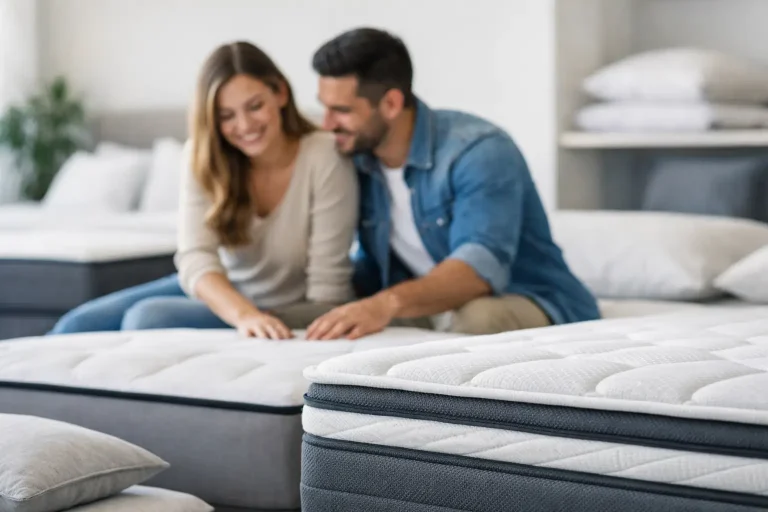
Also be cautious if you choose solely by softness. Plush comfort can feel inviting in a showroom or during a quick test, but hot sleepers often notice the downside after a full night or two. The same applies to very low-cost mattresses that advertise multiple cooling features without explaining the build quality.
The better approach is to ask practical questions. How breathable are the comfort layers? Is there a coil system? How much sink does the mattress have? Is it likely to support your body without trapping excess heat?
How to choose with confidence
The smartest way to shop is to prioritize your top two needs, then find the mattress that handles both. For some people, that means cooling and back support. For others, it means cooling and side-sleeper pressure relief. Once you know your priorities, the options become much clearer.
If you like a slightly cushioned feel but sleep hot, a medium-firm hybrid is often a dependable starting point. If you want something more buoyant and breathable, latex is worth considering. If you still prefer foam, look for modern cooling foams with a more breathable construction rather than a deep, dense memory foam feel.
It also helps to buy from a retailer that gives honest guidance instead of pushing the most expensive model. A good mattress purchase should feel straightforward. You should understand what you are getting, why it suits your sleep style, and where the trade-offs are.
That is especially important if you are furnishing a whole bedroom and trying to stay within budget. The best value is not the cheapest mattress on the page. It is the one that helps you sleep comfortably night after night without paying for features that sound impressive but do not match your needs.
For shoppers comparing options online, this is where expert advice still matters. A trusted retailer like Catnap Lair can help narrow the field based on real sleep concerns, room setup, and budget, instead of treating every hot sleeper the same way.
Final thoughts on finding a cooler night’s sleep
The best cooling mattress for hot sleepers is the one that manages heat without giving up the support your body needs. Look beyond the headline feature, pay attention to materials and firmness, and think about how you actually sleep. When the mattress matches your body and your habits, cooler sleep stops feeling like luck and starts feeling normal.