A compact home does not need to feel like every activity is competing for the same square foot. The most useful space saving furniture trends are less about buying tiny furniture and more about choosing pieces that work harder: a bed that stores linens, a sofa that welcomes guests, or a dining table that expands only when family comes over.
For homeowners furnishing apartments, condos, and space-conscious family homes, the goal is simple: create room to rest, host, work, and store daily essentials without filling every wall with furniture. Here are the trends worth considering, along with the practical details that make them work in real homes.
Space Saving Furniture Trends Start With Hidden Storage
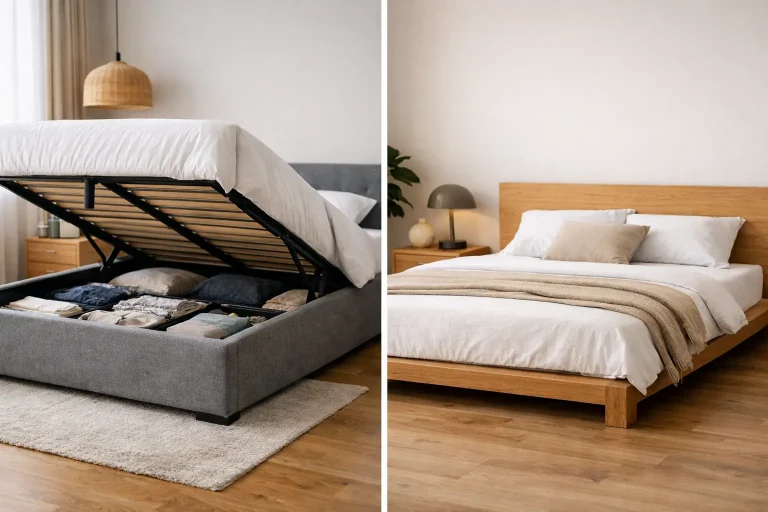
Storage is still the foundation of a well-planned compact bedroom. Open shelving can look appealing in a showroom, but it quickly becomes visual clutter when it is responsible for extra bedding, luggage, seasonal clothes, and children’s items. That is why storage beds continue to be one of the most practical furniture choices for smaller homes.
Lift-up storage beds use the full area beneath the mattress, making them especially useful for bulky items that are not needed every day. Drawer beds are often better when homeowners want quick access to folded clothes or linens, but they need enough clearance at the sides or foot of the bed for drawers to open fully. This is an easy detail to overlook when measuring a bedroom.
The current preference is for storage that looks integrated rather than obviously functional. Upholstered frames, clean platform designs, and simple neutral finishes help a storage bed feel like a proper centerpiece instead of a compromise. Pairing it with a mattress that matches the sleeper’s comfort needs keeps the room efficient without making sleep an afterthought.
Measure movement space, not just furniture size
A queen bed may technically fit in a room, yet still make the space frustrating to use. Before choosing a storage bed, account for walking paths, wardrobe doors, and drawer clearance. Leave enough room to make the bed comfortably and access both sides where possible.
For rooms with very tight side clearances, a lift-up storage base can be more suitable than drawers. For households that regularly retrieve stored items, drawers may be more convenient. The best option depends on how the room is used, not simply how much storage it provides.
Flexible Beds Are Replacing Single-Purpose Guest Rooms
A dedicated guest room is a luxury many households cannot justify. Flexible sleeping arrangements are becoming a smarter alternative, especially for new homeowners who need a home office, children’s room, or hobby space to serve more than one purpose.
Pullout beds are a dependable choice for children’s rooms and shared bedrooms. During the day, the lower bed stays tucked away, preserving floor space for play or study. At night, it creates an extra sleep surface without needing a separate mattress stored in a closet. Bunk beds deliver similar benefits vertically and can be a strong option for siblings, provided the room has sufficient ceiling height and the child using the upper bunk is ready for it.
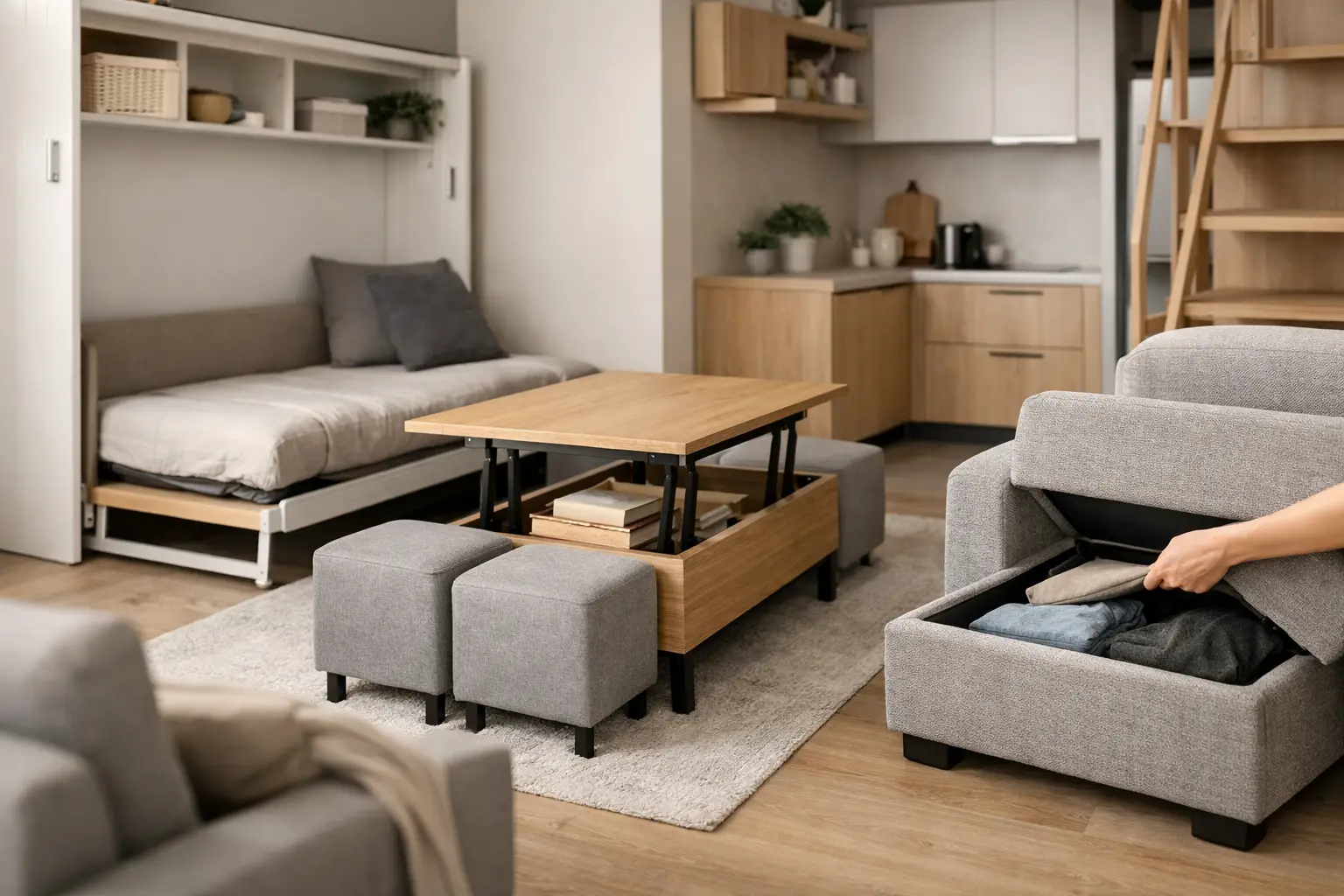
Hidden wall beds are also gaining attention because they transform a spare room without permanently assigning it to sleep. Fold the bed away and the area can function as a study, workout corner, or sitting room. However, wall beds require professional planning and secure installation. They are not the right solution for every wall or budget, so homeowners should consider usage frequency before investing.
A pullout bed is often the more economical choice for occasional sleepovers. A wall bed makes greater sense when a room changes purpose every day and maintaining open floor space is a priority.
Sofas and Dining Sets Are Becoming More Adaptable
The living room is no longer only a place to watch television. It may also host video calls, children’s activities, weekend visitors, and quiet evenings at home. This has increased demand for sofas with more flexible proportions: compact silhouettes, chaise configurations that suit a room layout, and built-in storage where it genuinely adds value.
A sofa bed can be useful, but it should not be selected solely because it converts. Test whether it is comfortable as a sofa first, then consider the mattress and mechanism for overnight guests. A poor sofa bed may save space while making both sitting and sleeping less pleasant.
Dining furniture is shifting in the same direction. Extendable tables allow couples to keep a smaller daily footprint while still hosting parents or friends. Benches can slide completely beneath a table when not in use, while stackable or lightweight dining chairs are easier to move when the layout needs to change.
Avoid choosing an expandable table that is oversized even in its closed position. The better approach is to select the size needed for daily meals, then confirm it can expand for the occasions that matter. Furniture should support how you live most days, not occupy the room for events that happen a few times a year.
Vertical Storage Is Getting a Cleaner Look
When floor area is limited, walls become valuable. The trend is moving away from a collection of mismatched shelves and toward taller, more coordinated storage. Full-height wardrobes, slim cabinets, and wall-mounted units help use vertical space while keeping frequently used items organized.
In bedrooms, a wardrobe with the right internal layout can reduce the need for extra drawers, hooks, and storage boxes around the room. Prioritize hanging space if your household wears many work clothes or dresses. Prioritize shelves and drawers if folded items, bags, and accessories are the bigger challenge. A beautiful wardrobe with the wrong compartments creates just as much clutter as one that is too small.
Wall-mounted furniture can make a compact room look more open because more of the floor remains visible. Floating bedside tables and wall-mounted consoles are examples, but installation matters. Confirm the wall type, anchoring method, and weight capacity before relying on a mounted piece for daily use.
Multi-Functionality Works Best When It Is Easy
The most successful multi-purpose furniture does not require a complicated routine. If changing a room takes ten minutes, involves moving heavy items, or requires finding parts stored elsewhere, it will probably stop happening after a few weeks.
Look for furniture that changes function in one or two simple actions. A pullout bed, an extendable table, or a lift-up storage bed works because the mechanism is direct. A storage ottoman near the sofa can hold throws and toys while serving as extra seating. A compact desk with closed storage can keep work materials out of sight at the end of the day.
This is also where homeowners should be realistic about their habits. Open shelving suits people who enjoy maintaining visual order. Closed storage suits busy households that need a faster reset after dinner, homework, or guests. Neither is universally better, but the right choice makes the home easier to maintain.
Comfort Still Comes Before Clever Design
A room can be brilliantly planned and still fail if the bed is uncomfortable or the sofa does not support everyday use. Space-saving choices should protect comfort, particularly in the bedroom. A storage bed changes what happens below the mattress, but the mattress itself should still be selected for support, sleeping position, temperature preference, and the needs of both partners.
This is why it helps to plan the room as a complete system. Bed size, storage access, wardrobe placement, blinds or curtains, and walking space all affect how restful a bedroom feels. Homeowners who want to compare practical bed frames with mattresses designed for comfort and cooling can get patient, tailored guidance from Catnap Lair rather than guessing from dimensions alone.
Plan for the Home You Will Use Next Year
Trends are helpful when they solve a lasting problem, not when they add another feature to manage. Before purchasing, picture a normal weekday morning, laundry day, a family visit, and the moment you need to put everything away quickly. Those small routines reveal whether a furniture piece will earn its place.
Choose the bed that gives you real storage, the table that fits daily life, and the flexible piece that is genuinely easy to use. A well-furnished compact home does not need more furniture. It needs fewer pieces that make room for comfort.