A mattress can look great in a photo, sound impressive on a product page, and still feel completely wrong after a week of sleep. That is why buying an affordable mattress is not really about chasing the lowest price. It is about knowing which features matter, which ones are mostly marketing, and how to get real comfort and support without paying for extras you do not need.
For most households, the sweet spot is not the cheapest mattress on the market and not the premium model loaded with every possible upgrade. It is the mattress that fits your body, sleeping style, room setup, and budget at the same time. When those four pieces line up, you get better sleep and better value.
What makes an affordable mattress worth buying?
Price matters, but value matters more. A mattress is worth considering when it supports your body properly, feels comfortable through the night, and holds up well enough that you are not replacing it too soon. A low sticker price can become expensive if the mattress sags early or leaves you waking up with shoulder, back, or hip pain.
This is where many shoppers get stuck. They compare only thickness, sale tags, or brand names. Those details can help, but they do not tell the full story. A good affordable mattress should be judged by how it balances support, pressure relief, temperature comfort, durability, and overall fit for the sleeper.
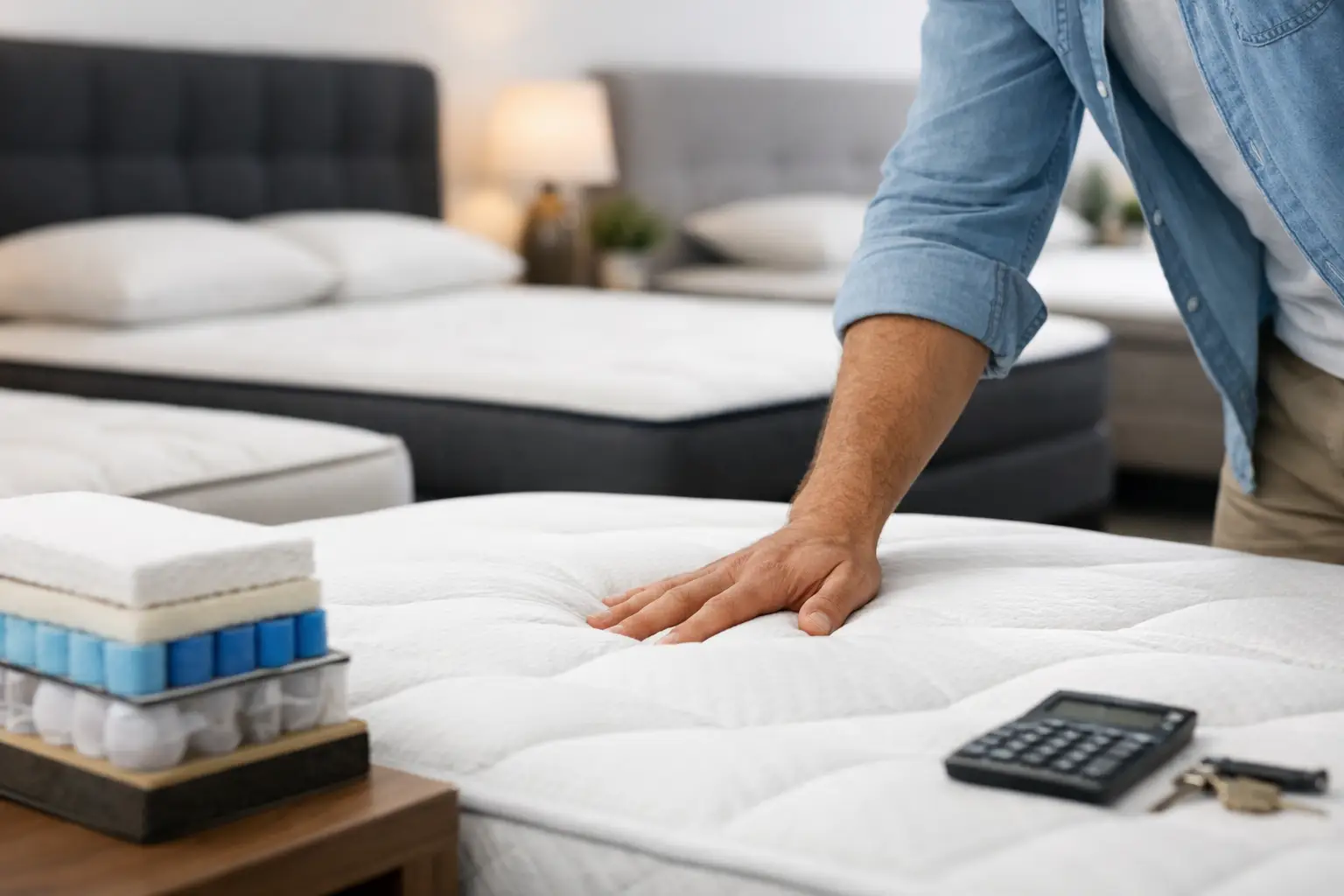
For example, a budget-friendly foam mattress can be an excellent choice for a guest room, a child’s bed, or a main bedroom if the foam density and support layers are properly built. On the other hand, a very cheap mattress with weak edge support and poor resilience may feel acceptable during a quick showroom test but disappoint over time.
Affordable mattress types and who they suit
The right construction often depends on how you sleep and what kind of feel you prefer.
Memory foam
Memory foam mattresses are popular because they cushion pressure points and reduce motion transfer. If your partner tosses and turns, this can make a noticeable difference. They are often a strong value pick for couples and side sleepers.
The trade-off is heat and responsiveness. Some memory foam models sleep warmer or feel slower when you change positions. If you like a cradled feel, that may be fine. If you prefer a springier surface, you may want to look elsewhere.
Bonnell or pocket spring
Spring mattresses usually feel more breathable and bouncier than all-foam options. They can suit back sleepers, combination sleepers, and anyone who does not like the hugging feel of foam.
Pocket spring designs tend to offer better motion control and more targeted support than basic open-coil systems. If your budget allows, that upgrade is often worth it. A simpler spring mattress can still work well, especially for lighter sleepers or secondary rooms, but quality varies a lot.
Hybrid
Hybrid mattresses combine springs with foam or latex-like comfort layers. They are often the middle ground for shoppers who want support, airflow, and some cushioning on top.
The catch is price. Hybrids can be more expensive than entry-level foam or spring models. Still, if you want one mattress to do many things reasonably well, a hybrid often gives balanced performance for the money.
How firmness affects comfort and support
One of the biggest mistakes shoppers make is assuming firm always means better support. In reality, support and firmness are related but not identical. A mattress can feel firm on top yet still fail to keep your spine aligned. Another can feel medium-soft and still support your body very well.
Side sleepers usually need more pressure relief around the shoulders and hips, so medium or medium-soft models often work better. Back sleepers often do well on medium-firm surfaces that keep the lower back supported without feeling too hard. Stomach sleepers generally need a firmer feel to prevent the midsection from sinking too deeply.
Body weight matters too. A lighter person may find a medium mattress quite firm, while a heavier sleeper may experience the same mattress as softer. This is why there is no single best firmness for everyone.
What to check before buying an affordable mattress
A mattress is easier to compare when you focus on a few practical details instead of every claim on the label.
Layer quality
Thicker does not automatically mean better. What matters more is how the layers work together. A mattress with well-designed support foam or a solid spring system can outperform a thicker but poorly built alternative.
Edge support
If you sit on the side of the bed often, share the mattress, or use a smaller bed size, edge support matters. Stronger edges make the bed feel more stable and usable across the full surface.
Temperature regulation
If you sleep hot, look for breathable covers, open-cell foam, or spring-based construction that allows more airflow. Cooling claims can be exaggerated, so focus on materials and structure rather than flashy wording.
Motion isolation
For couples, motion control is a real quality-of-life feature. Foam generally performs better here, while springs vary depending on the design.
Warranty and trial expectations
A warranty is helpful, but it should not be the only reason to buy. What you really want is confidence in build quality, honest product guidance, and a clear sense of what the mattress is designed to do.
Why the cheapest option is not always the smartest buy
Budget shopping makes sense. Compromising on sleep quality does not. If a mattress is too soft, too hard, too hot, or too unstable, you will feel that cost every night.
For first-time homeowners and growing families, it often makes more sense to buy thoughtfully than to buy fast. A main bedroom mattress deserves more attention than a short-term guest bed. A child’s mattress may need a different balance of durability and budget than a master bed used every night.
This is also where direct pricing can make a real difference. When you buy from a retailer that works closely with factories and focuses on practical home furnishing rather than luxury showroom markups, you can often get stronger materials and better support features at a more accessible price point. That is a much better route than simply picking the lowest number on the page.
Matching the mattress to your home and lifestyle
A mattress does not exist in isolation. It has to work with your bed frame, room size, and daily routine.
If you live in a smaller home or apartment, mattress height can matter more than you think. A very thick mattress on a storage bed or compact frame may make the whole setup feel bulky. If you are furnishing a guest room, pull-out bed, or multifunction space, weight and flexibility may also matter.
Couples should think beyond firmness alone. If one person sleeps hot and the other wants more cushioning, a compromise model with balanced support and reasonable airflow may be the best fit. Parents shopping for kids or teens may prioritize durability, easy upkeep, and all-around comfort over specialized features.
Practical buying is not about getting every feature. It is about getting the right ones for how your household actually lives.
When to spend a little more on an affordable mattress
There are times when stretching the budget slightly is worth it. If you have recurring back discomfort, share the bed with a restless partner, or expect nightly use for years, a better support system or upgraded comfort layer can pay off quickly.
You should also consider spending a bit more if the mattress is for your primary bedroom and your current sleep quality is poor. Better pressure relief, stronger edge support, and more breathable construction are not just nice extras when they solve an everyday problem.
That does not mean you need a luxury model. It means being selective. The best affordable mattress is often the one just above entry level, where construction quality improves noticeably without jumping into premium pricing.
A smarter way to shop with confidence
If you are comparing mattresses and feeling overwhelmed, that is normal. Many products sound similar until you start asking practical questions about support, materials, heat retention, and who the mattress is actually designed for.
A good retailer should help simplify that decision, not pressure you into the most expensive option. At Catnap Lair, the best mattress conversations are usually the simplest ones: how you sleep, what comfort issues you want to fix, what size fits your room, and what budget feels realistic for your home.
That is the real goal. Not just finding an affordable mattress, but finding one that helps you rest well, wake up comfortable, and feel good about what you paid. Sleep is easier when the choice makes sense the first time.