If you wake up sweaty, kick off the blanket at 2 a.m., and keep flipping the pillow to the cool side, the best mattress for hot sleepers is not just a comfort upgrade. It can be the difference between broken sleep and actually feeling rested in the morning. Heat buildup usually has less to do with your AC and more to do with how your mattress handles airflow, moisture, and body contact.
A lot of people assume any mattress labeled cooling will solve the problem. In reality, some sleep cooler than others, and the right choice depends on your body type, sleep position, and how much sink you like. A mattress that feels plush and cozy at first can trap heat all night if the materials are too dense or if your body sinks too deeply into the surface.
What makes the best mattress for hot sleepers?
The first thing to understand is that sleeping hot is usually a mix of three factors. Your body naturally gives off heat, your bedding can hold onto that heat, and your mattress may either release it or trap it. The best mattress for hot sleepers helps with temperature regulation by allowing better airflow and reducing that wrapped-up feeling.
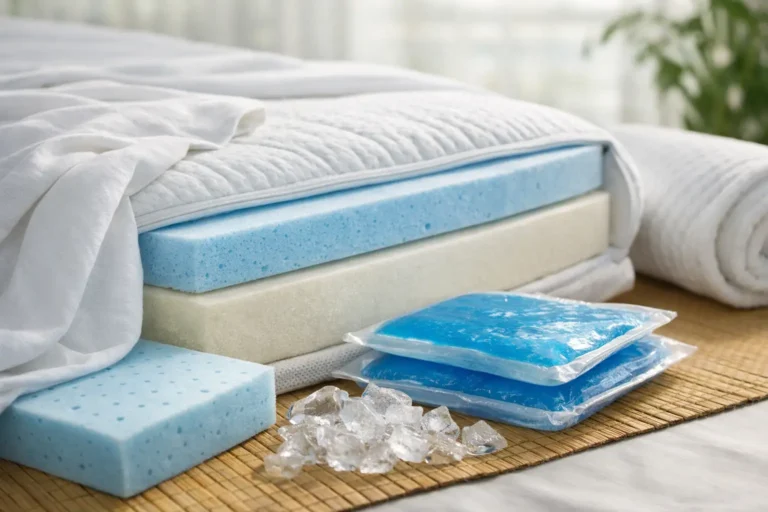
Materials matter most. Traditional memory foam is the biggest culprit when it comes to heat retention because it hugs the body closely and has a denser structure. That contouring can feel great for pressure relief, but it often comes with a trade-off. If you love the feel of foam, look for open-cell foam, gel-infused foam, copper-infused foam, or hybrid constructions that pair foam with coils for better ventilation.
Coils generally sleep cooler than all-foam builds because they create space for air to move through the mattress. Latex also tends to perform well for hot sleepers. It is naturally more breathable than standard memory foam and has a buoyant feel, so you sleep more on the mattress than in it. That one difference can noticeably reduce heat buildup.
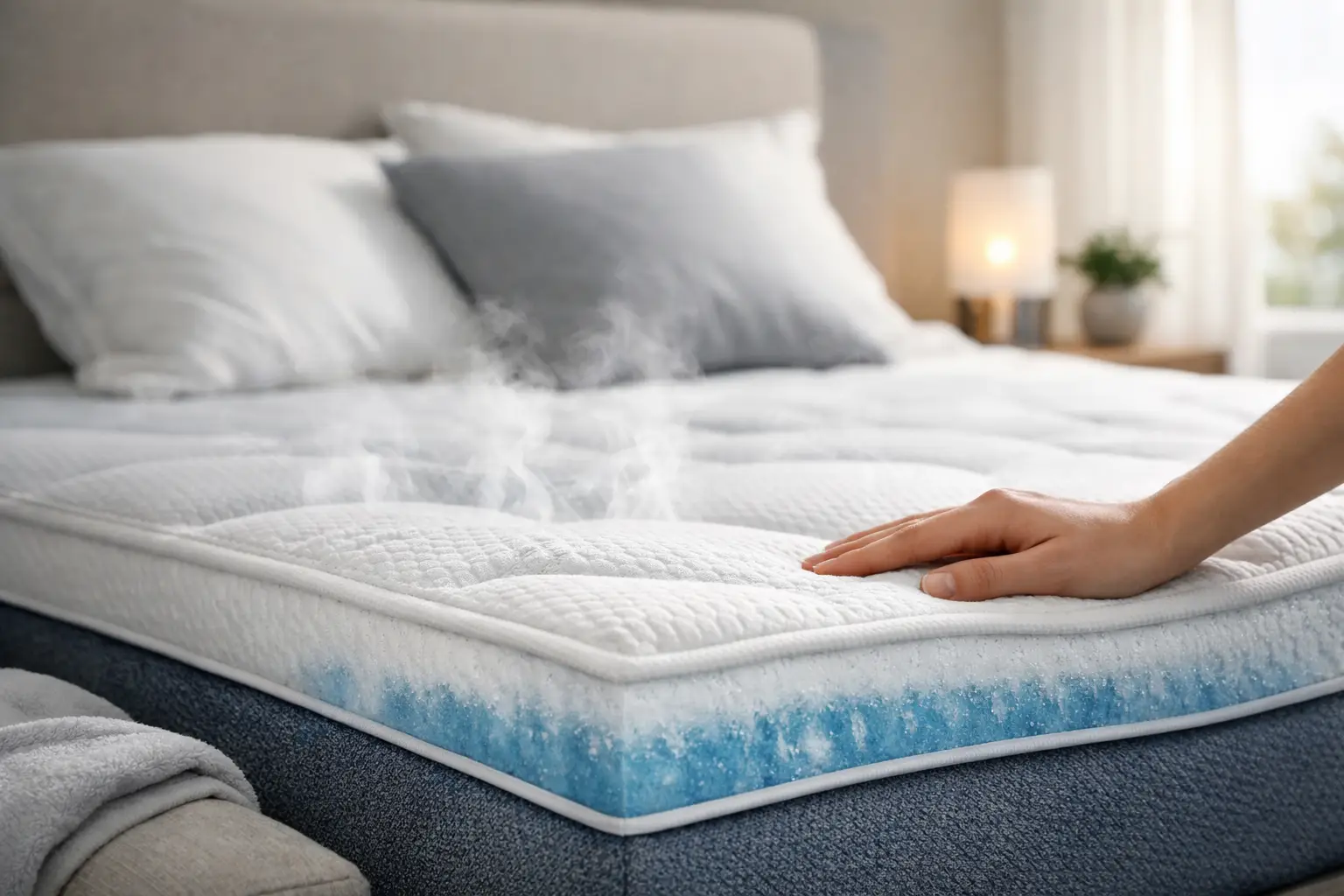
The cover also plays a role. Breathable knit fabrics, moisture-wicking covers, and phase-change materials can help the surface feel cooler to the touch. Just keep expectations realistic. A cool-touch cover can improve first contact, but it will not fully offset a heat-trapping core underneath.
Cooling mattress types and how they feel
If you are deciding between mattress categories, it helps to focus on feel as much as temperature performance.
Hybrid mattresses are often the safest pick for warm sleepers who want a balance of comfort and support. The coil base promotes airflow, while the comfort layers add cushioning. For many shoppers, this is the sweet spot. You get pressure relief without the dense, enveloping feel that can make some foam beds run warm.
Latex mattresses are another strong option, especially if you prefer a responsive surface. They usually feel springier and easier to move on than memory foam. That matters if you shift positions often at night. The trade-off is that latex can feel firmer and less body-hugging, which some side sleepers may not love unless there is enough comfort padding on top.
All-foam mattresses can still work, but you need to be selective. Not every foam mattress is automatically a bad choice for hot sleepers. Higher-quality cooling foams and better internal design can make a real difference. Still, if you already know you overheat easily, this category requires more caution.
Innerspring mattresses can sleep cool too, but they are not always the best overall choice if you want modern pressure relief and motion control. They can feel bouncy and breathable, but sometimes less refined in comfort depending on the build.
How firmness affects sleeping hot
People often shop for cooling materials and forget about firmness. That is a mistake. Softer mattresses let your body sink deeper, which increases surface contact and can trap more heat around the shoulders, hips, and back. Firmer mattresses keep you more lifted, which usually allows for better airflow around the body.
That does not mean every hot sleeper should buy a firm mattress. If you are a side sleeper, going too firm can create pressure points and leave you tossing and turning for a different reason. The better approach is to look for a medium to medium-firm mattress with breathable materials. That usually gives enough support to reduce sink without feeling hard.
Body weight also matters. Heavier sleepers tend to compress comfort layers more deeply, so a mattress that feels temperature-neutral to one person may feel warmer to another. If you are on the heavier side, a firmer hybrid or latex hybrid often performs better over time because it holds you up instead of letting you settle too far into the bed.
The best mattress for hot sleepers by sleep position
Your sleeping position changes what cooling setup will feel best.
Side sleepers usually need more pressure relief at the shoulders and hips, so a medium hybrid with breathable foam or latex comfort layers is often the most practical choice. You want enough cushioning to avoid soreness, but not so much sink that the bed starts holding heat around your body.
Back sleepers tend to do well on medium-firm to firm mattresses with strong lumbar support and a cooler, flatter sleep surface. Since weight is distributed more evenly, this group can often get away with slightly firmer builds that sleep cooler overall.
Stomach sleepers generally need the firmest support of the three. If the midsection sinks, the spine can dip and create discomfort. A firmer hybrid or latex mattress usually works well here and has the added bonus of sleeping cooler because you stay elevated on the surface.
Combination sleepers should pay attention to responsiveness. A mattress can have great cooling claims, but if it feels slow and sticky when you change positions, it may still interrupt sleep. Responsive hybrids and latex models tend to be easier to move on.
What to avoid if you sleep hot
Some mattress features sound attractive in a showroom but cause regret later.
Very plush pillow-top designs can be comfortable at first, but if the upper layers are thick and dense, they may trap more heat than expected. Deep memory foam contouring is another common issue. If you like that cradled feel, try to balance it with coil support underneath or advanced cooling foams rather than going for the softest foam bed available.
It is also worth being careful with marketing terms. Cooling, temperature regulating, and breathable are used broadly across the mattress industry. Those words are not meaningless, but they do not all mean the same thing. Ask what is actually inside the mattress. Is it gel foam, open-cell foam, latex, pocketed coils, or just a cool-touch cover?
Price matters too, but higher cost does not automatically mean better temperature control. Sometimes you are paying for branding more than build quality. The smarter move is to compare materials and construction first, then decide whether the comfort and cooling match the price.
How to shop smarter in store or online
When testing a mattress, do not judge it in the first 30 seconds. Lie down in your usual sleep position long enough to notice whether you feel supported or start sinking too much. A bed that feels ultra-soft and luxurious at first can become noticeably warmer after several minutes of body contact.
If you are shopping online, focus on the layer breakdown and not just the headline features. A mattress described as cooling should clearly explain why. Hybrid support, ventilated latex, open-cell foam, and breathable covers are all signs that the design is doing more than relying on a marketing label.
This is also where good guidance matters. A retailer with real mattress knowledge should be able to explain the differences honestly, including trade-offs. At Catnap Lair, that kind of advice matters because most homeowners are not trying to become mattress experts. They just want a bed that feels comfortable, sleeps cooler, and fits the budget without guesswork.
Don’t forget the rest of your sleep setup
Even the best cooling mattress can only do so much if the rest of your bed traps heat. Thick mattress protectors, synthetic sheets, and heavy comforters can cancel out the benefits of a breathable mattress. If you sleep hot, pair your mattress with lighter bedding and moisture-wicking fabrics so the full setup works together.
Bedroom conditions also matter. Humidity, airflow, and your sleepwear all affect temperature regulation. If your current mattress is making things worse, replacing it is still one of the biggest improvements you can make, but it helps to think of cooling as a system rather than one single feature.
The right mattress should help you forget about heat once the lights are off. If a bed keeps your body supported, lets air move, and does not swallow you whole, you are much closer to sleeping through the night without the midnight blanket battle.