Most people do not overspend on their first bedroom because they want luxury. They overspend because they buy in the wrong order. A new home bedroom furniture package solves that problem by helping you plan the room as a complete setup instead of collecting random pieces one by one. For couples moving into a first home, homeowners upgrading a master bedroom, or families furnishing compact rooms, that approach usually saves more than money – it saves space, time, and second-guessing.
The bedroom is where comfort and function have to work together. A good-looking bed frame means very little if the mattress leaves you waking up sore. A large wardrobe sounds useful until the room feels cramped. Even bedside tables can become dead space if the layout is not thought through early. That is why a package makes sense when it is built around how you actually live.
What a new home bedroom furniture package should include
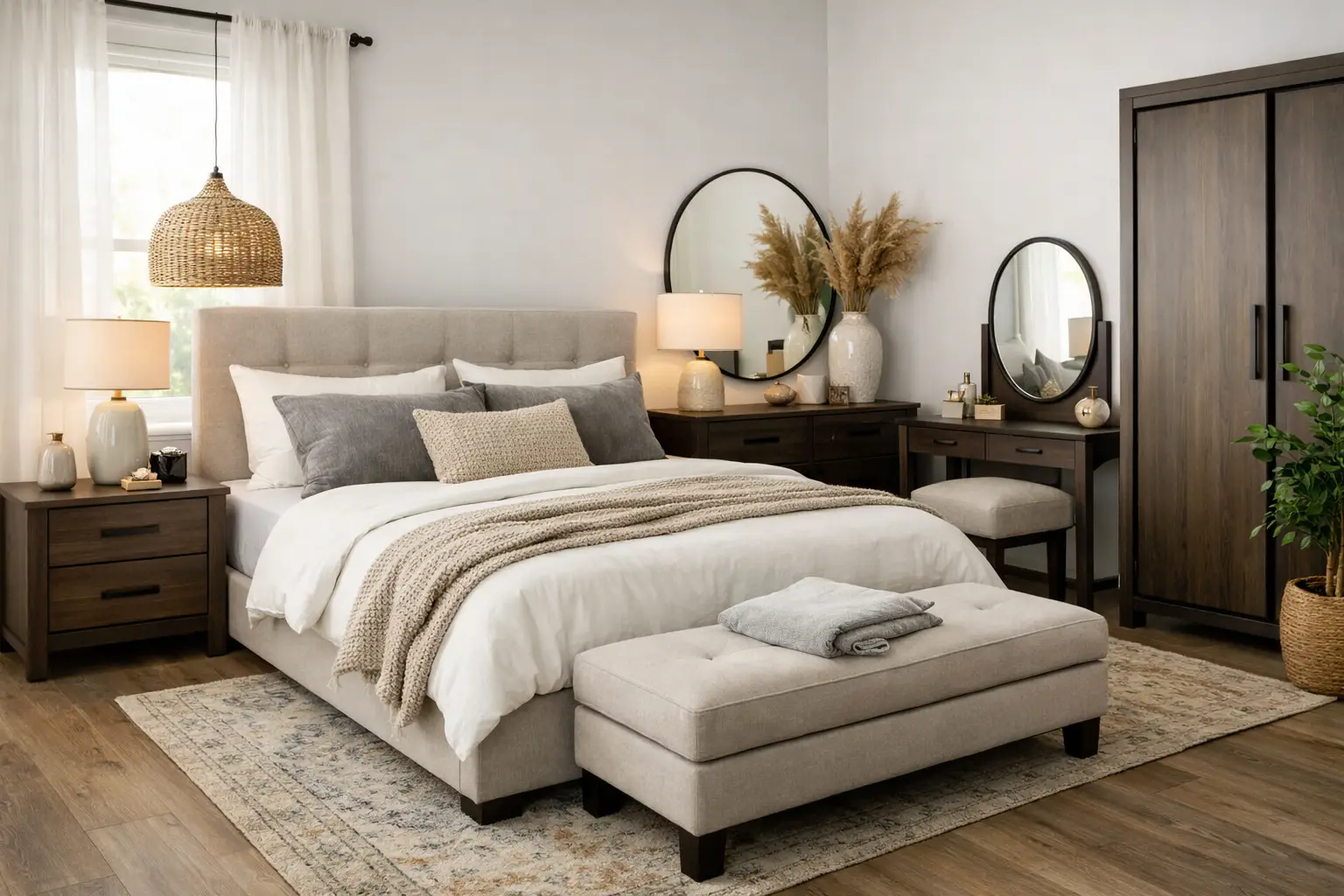
At minimum, most buyers expect a bed frame, mattress, wardrobe, and bedside tables. That is the starting point, not the finish line. The right package depends on the room size, how much storage you need, and whether the bedroom is for a master suite, guest room, or child.
For a master bedroom, the mattress should carry more weight in the budget than decorative pieces. Sleep quality affects daily life far more than a bench at the foot of the bed or a stylish mirror. If you share the bed, support, motion control, and temperature comfort matter even more. A practical package often starts with a quality mattress, then pairs it with a bed frame that adds useful storage or a cleaner footprint.
In smaller homes, storage beds, drawer beds, and platform beds tend to offer better value than bulky standalone furniture. They reduce the need for extra cabinets and help keep the room visually lighter. If the room is used by children or occasional guests, a pullout bed or hidden wall bed may be the smarter investment. A package should reflect those trade-offs instead of forcing every room into the same formula.
Start with the mattress, not the accessories
When people shop bedroom sets, the temptation is to compare package prices first. That makes sense, but only up to a point. A package that includes a weak mattress is rarely a good deal, because replacing it later costs more than choosing properly at the start.
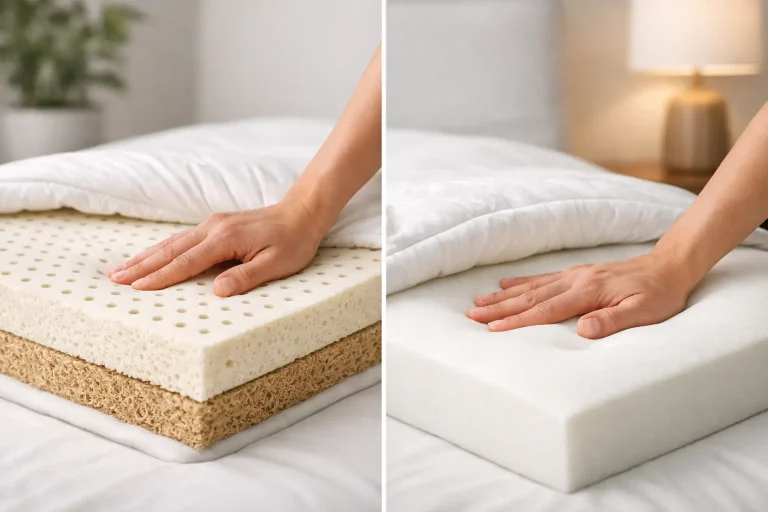
This is where different mattress types matter. Some sleepers want a firmer, more supportive feel. Others need better pressure relief at the shoulders and hips. Couples often look for a balance of support and reduced motion transfer. If you sleep warm, cooling materials become a real quality-of-life feature, not a marketing extra.
Brands such as Dozi, Lady Americana, Maxcoil, Sleepy Night, and Fourstar are often considered because they cover different comfort preferences and budgets. There is no single best mattress for everyone. A guest bedroom may do well with something straightforward and supportive, while a master bedroom usually deserves a more tailored choice. If your package lets you swap mattress models instead of locking you into one default option, that is a strong sign the retailer understands real homeowner needs.
Why the bed frame matters more than it seems
A bed frame is not just a design piece. It affects room flow, storage, cleaning, and how big the room feels. In compact spaces, a storage bed can replace the need for extra drawers and make everyday organization easier. A floating bed can create a more open visual effect, while a platform bed keeps the profile simple and modern.
That said, storage is not automatically the right answer for every buyer. Lift-up storage beds are useful, but some people prefer quick-access drawer beds because they are easier for daily use. In tighter layouts, drawers need side clearance, so a lift-up storage bed may actually be the better fit. It depends on how the room is arranged and how often you need access.
How to choose a package that fits your room
A smart new home bedroom furniture package begins with measurements. Not just mattress size, but walking space, wardrobe door clearance, and where windows, switches, and doors sit. This is where many showroom-perfect combinations fail in real homes.
A queen bed with two bedside tables may look standard, but if it leaves only a narrow path to the wardrobe, the room becomes frustrating fast. Likewise, a wardrobe that stretches wall to wall may seem efficient, yet it can make the bedroom feel boxed in. You want a package that respects daily movement, not one that fills every inch.
For smaller rooms, fewer pieces often create a better result. One larger storage bed and a cleaner wardrobe may outperform a package stuffed with extras. For larger master bedrooms, you may have room to prioritize symmetry, larger side tables, or a more substantial wardrobe setup. The point is not to buy less or more. The point is to buy the right combination.
Common package mistakes to avoid
One mistake is treating all bedrooms the same. The master bedroom, child’s room, and guest room serve different purposes. Another is choosing furniture only by appearance. Bedroom furniture gets used every day, so comfort, access, and durability matter more than trend-driven styling.
A third mistake is ignoring future needs. Newlyweds may only need a simple setup today, but if storage is already limited, a bed frame with built-in storage can prevent another purchase six months later. Families furnishing a child’s room may benefit more from a pullout bed or bunk setup than a conventional frame if sleepovers or shared use are likely.
Budgeting for a bedroom package without regret
A package should make budgeting easier, not more confusing. The best way to think about value is to separate essentials from upgrades. The essentials are your mattress, bed frame, and core storage. Upgrades are the pieces that improve the finish of the room but are not strictly necessary on day one.
If the budget is tight, spend where your body notices the difference first. That means the mattress and the main bed structure. Side tables, benches, and decorative add-ons can come later. Homeowners often feel pressure to complete everything immediately, but staged furnishing is sometimes the more sensible move.
Installment options can also help if used carefully. They are useful when they let you buy the right core setup without compromising on sleep quality. They are less useful if they encourage overspending on pieces you were unsure about from the start. Honest budgeting means asking what will improve your day-to-day life and what is mostly visual.
When a package is better than buying separately
Buying separately works when you already know exactly what you want and have the time to compare dimensions, finishes, and compatibility across multiple sellers. For many homeowners, that process becomes tiring quickly. A well-built package reduces decision fatigue, keeps the room visually consistent, and often offers better overall value.
It is especially useful for first-time homeowners who want expert guidance, not just a shopping cart. In Singapore-style homes where space planning matters, coordinated recommendations can prevent costly layout mistakes. Retailers that understand mattresses, storage beds, wardrobes, and compact-room solutions are often in a better position to suggest what actually works together.
This is where a one-stop furnishing approach can make the process less stressful. Catnap Lair, for example, focuses on practical bedroom combinations that consider comfort, storage, and budget instead of pushing a generic set on every customer. That difference matters when you are furnishing a real home rather than a display room.
The best package is the one you will still like after move-in month
The first few weeks in a new home can make everything feel urgent. It is easy to choose the fastest package, the cheapest package, or the prettiest package. A better approach is to choose the package that supports better sleep, gives you the storage you actually need, and fits the room without making it feel crowded.
A bedroom should help you settle into the home, not remind you of rushed decisions. If a package gives you comfort, practical storage, and enough flexibility to match your space and budget, it is doing its job. Start there, and the room tends to come together with far less friction.