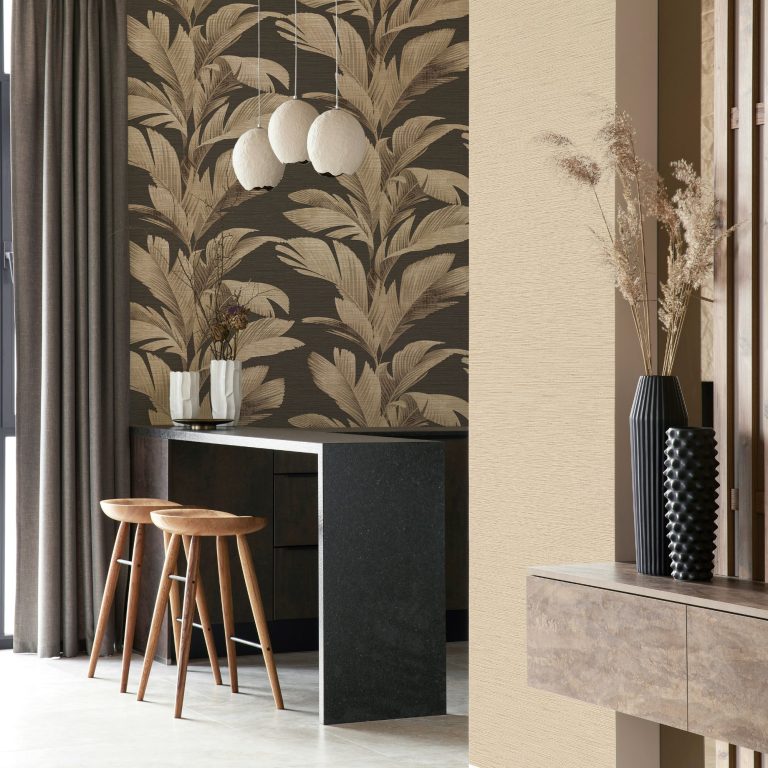
That empty window can make a finished living room look oddly unfinished. On the flip side, the wrong curtains can block too much light, make the ceiling feel lower, or fight with everything else in the space. If you’re wondering how to pick living room curtains without wasting money on a choice you’ll regret, the key is to treat curtains as both a design feature and a daily-use item.
In most homes, especially busy family living spaces, curtains do more than frame a view. They control glare on the TV, add privacy at night, soften hard surfaces, and help the room feel warmer and more put together. The best choice is rarely about trend alone. It’s about how you use the room, how much light you want, and how your windows sit within the overall layout.
How to pick living room curtains starts with the room
Before you look at fabric samples or colors, stand in your living room at three different times of day. Morning, afternoon, and evening light can completely change what a curtain needs to do. A bright west-facing room may need more light filtering to cut harsh sun, while a shaded room may benefit from something lighter that keeps the space open.
Think about function first. If your living room faces neighbors or a street, privacy matters. If you work from the sofa sometimes or your TV catches glare, light control matters more. If the room already has upholstered furniture, rugs, and cushions, heavy curtains can feel rich and cozy – but they can also make a compact room feel overloaded.
This is where many homeowners make the wrong call. They buy based on color alone and only later realize the fabric is too sheer, too stiff, or too heavy for the space. A curtain should work with your room’s conditions, not just its palette.
Choose the right curtain fabric
Fabric changes everything – how the curtain hangs, how much light passes through, and how formal or relaxed the room feels.
Sheers create a soft, airy look and work well if your living room already gets limited daylight. They are great for brightening a small space, but on their own, they usually don’t offer much privacy at night. If you like that light look but still want better function, layering a sheer with a blackout or dimout panel is often the smarter move.
Cotton and cotton blends are a safe middle ground for most living rooms. They feel casual but clean, and they usually drape well without looking overly heavy. Linen and linen-look fabrics add texture and a more relaxed, lived-in finish. They are especially effective in neutral spaces that need warmth without bold pattern.
Velvet and thicker woven fabrics bring more drama and better light blocking, but they are best used with intention. In a large room with high ceilings, they can feel polished and luxurious. In a tighter room, they can visually crowd the window if the color is dark or the pleats are too bulky.
If your priority is practicality, choose a fabric that hangs well and is easy to maintain. A beautiful curtain that wrinkles badly or traps dust too easily can become annoying faster than expected.
Get the length and width right
Curtain sizing is where a room either looks custom or rushed. Too short, and the whole setup can feel off. Too narrow, and the curtains look skimpy even when closed.
For length, floor-length curtains are usually the safest choice in a living room. They make the room feel taller and more finished. Curtains that stop just at the window ledge or slightly below often look dated unless the window shape or furniture placement truly requires it.
There are a few variations. Curtains that just kiss the floor look neat and practical. Curtains that slightly break on the floor feel softer and more decorative. A heavy puddle of fabric can look elegant in styled spaces, but for most real homes, especially with kids, pets, or frequent cleaning, it is less practical.
Width matters just as much. Even if the curtain is mostly decorative and stays open, it should still look full. As a rule, the total curtain width should be about 1.5 to 2 times the width of the window. That fullness gives a richer look and better drape. Flat, stretched panels tend to look cheaper no matter how good the fabric is.
How to pick living room curtains by color and pattern
Most people start here, but it works better after you’ve settled the practical side. Once you know the right fabric weight and function, color becomes easier.
If your sofa, rug, wallpaper, or accent chairs already carry pattern or texture, solid curtains often create balance. They help the room breathe. Neutrals such as warm white, beige, taupe, soft gray, or muted greige are reliable because they blend easily and age well.
That said, neutral does not have to mean bland. Texture can do a lot of work. A lightly slubbed linen-look panel or a subtle woven fabric adds depth without making the room feel busy.
Patterned curtains can work beautifully if the rest of the room is simpler. A stripe can make the room feel taller. A soft botanical or geometric print can bring personality into a plain living room. The trade-off is commitment. A strong print becomes part of the room’s identity, so make sure you won’t tire of it after a few months.
For color matching, you do not need curtains to exactly match the sofa or walls. In fact, that can make a room feel flat. It’s usually better if the curtain echoes one of the room’s supporting tones – perhaps the rug, cushions, art, or wood finish – while still giving slight contrast.
Think about hardware, heading style, and mounting height
Curtains are not just fabric. The rod, rings, and heading style affect the overall look more than many buyers expect.
Grommet curtains feel clean and modern, but they often read more casual. Pinch pleat and ripple fold styles tend to look more tailored and refined. Rod pocket styles can work in some decorative settings, but they are often less convenient for daily opening and closing.
Mounting height also matters. Hanging the rod higher than the top of the window can make the ceiling appear taller. Extending the rod wider than the window allows more glass to remain visible when the curtains are open, which helps the room feel brighter and larger.
This is especially useful in compact homes and apartments where every visual trick counts. A properly mounted curtain can make an average window look more generous without changing the window itself.
Match the curtain choice to your lifestyle
A beautiful living room still has to function on a normal Tuesday night. If you have young kids, pets, or a high-traffic household, choose something forgiving. Mid-tone fabrics hide dust and marks better than very light or very dark materials. Washable or easy-care fabrics reduce maintenance stress.
If the living room gets strong afternoon sun, fading is a real issue. In that case, lining matters. A lined curtain usually drapes better, protects the face fabric, and improves privacy. If your main concern is glare and heat, a dimout or blackout option can make the room more comfortable, especially in media-focused spaces.
If you prefer flexibility, layering gives you more control. A sheer for daytime and a heavier panel for evening lets the room adapt throughout the day. It costs more than a single-layer setup, but for many homeowners, the added comfort and function are worth it.
Common mistakes when picking living room curtains
The most common mistake is choosing curtains that are too short or too narrow. The second is ignoring how much light the room actually gets. The third is buying a trendy color that clashes with large furniture pieces you are not planning to replace.
Another easy mistake is treating curtains as an afterthought. In reality, they sit at eye level and take up a surprising amount of visual space. When chosen well, they can make an affordable room look more polished. At Catnap Lair, that practical value matters because a good home setup should feel comfortable, cohesive, and worth what you spend.
If you’re unsure, go for a curtain that solves the room’s biggest problem first. Too much glare, not enough privacy, or a space that feels cold and unfinished – start there. Once that problem is handled, style decisions become much easier.
The right curtains do not need to be the boldest thing in the room. They just need to make the room feel better to live in every day.