That first big furniture order can feel exciting right up until you total the cart. A mattress, bed frame, sofa, dining set, curtains, and storage pieces add up fast, which is why a 0 interest furniture installment plan appeals to so many homeowners. It gives you a way to set up your home now while spreading payments over time, without paying extra in interest when the terms are clear and the plan is used well.
For many households, that matters less as a luxury and more as practical budgeting. If you have just moved, you are often paying for deposits, appliances, moving costs, and small essentials all at once. A good installment plan can ease the cash crunch. A bad one can create confusion, late fees, or pressure to buy more than you need. The difference comes down to understanding how the plan works before you commit.
How a 0 interest furniture installment plan works
At its simplest, a 0 interest furniture installment plan lets you divide the cost of your purchase into fixed monthly payments over an approved period. If your total comes to $2,400 and the plan runs for 12 months, you may pay $200 a month with no interest added, assuming you meet the conditions and pay on time.
That sounds straightforward, but the details matter. Some plans are offered in-house by the furniture retailer, while others are handled by banks or third-party financing providers. In-house plans can sometimes be easier to understand and faster to approve, especially when the seller knows customers are furnishing an entire home rather than buying one small item.
Approval rules also vary. Some plans ask for income documents or identity verification. Others focus on simple screening and quick confirmation. Either way, the core idea should stay the same – you should know your monthly payment, your payment timeline, and any fees that apply before you check out.
Why this option makes sense for real-home purchases
Furniture is not always a one-room decision. Most people do not stop at one mattress or one sofa. They buy for the bedroom, living room, dining area, and sometimes guest rooms or kids’ spaces too. That is especially true for new homeowners trying to make an empty place feel livable quickly.
A 0 interest furniture installment plan makes the most sense when you are buying necessary pieces with long-term use. A supportive mattress, a durable bed frame, or a family sofa gets used every day. Spreading those costs can be more sensible than draining savings in one shot, especially when you are balancing other move-in expenses.
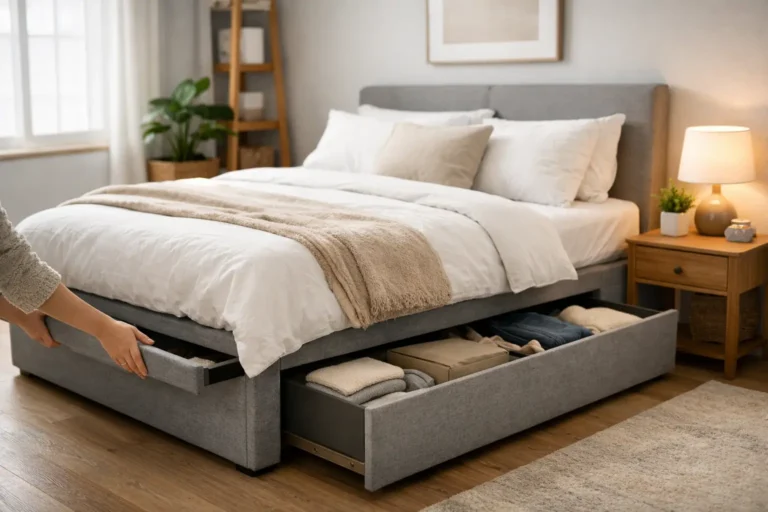
It can also help households choose better-fit products instead of the cheapest stopgap option. If a slightly better mattress offers stronger support, cooling comfort, and better sleep for years, paying over time may be the smarter choice. The same goes for storage beds, space-saving dining sets, or wardrobes that actually suit compact layouts.
What to check before you say yes
Zero interest does not mean zero responsibility. Before you apply, look closely at the full terms. You want to confirm whether the price is truly split evenly, whether there are processing fees, what happens if a payment is late, and whether there is any penalty for early repayment.
You should also check whether promotions apply to all products or only selected categories. Some retailers include most furniture but exclude clearance items, custom pieces, or heavily discounted bundles. Others set a minimum spend before installment eligibility begins.
Another smart check is delivery timing. If your order includes a made-to-order sofa, a mattress in stock, and custom blinds, ask when installment billing starts. Some buyers assume payments begin only after everything is delivered. That is not always the case. Clear timing prevents surprises.
When a 0 interest furniture installment plan is a good idea
This type of plan works best when it supports a purchase you already intended to make and fits comfortably within your monthly budget. If the payment is manageable without stretching your finances, the plan gives you breathing room rather than pressure.
It is also useful when you are furnishing a full home in stages. You might start with the essentials – mattress, bed frame, sofa, dining set – and leave accent pieces for later. That approach keeps your home functional while keeping monthly obligations realistic.
For first-time homeowners, the biggest advantage is often cash-flow control. Instead of wiping out your emergency fund on day one, you can preserve some savings for repairs, utility setup, or unexpected home costs. That is a practical reason, not just a financial trick.
When it may not be the right move
An installment plan is not automatically the best choice just because it is available. If you are using it to justify a purchase well beyond your means, that is a warning sign. Monthly payments can make a large order look smaller than it really is.
It may also be less helpful if the terms are vague or the plan includes fees that cancel out the no-interest benefit. In those cases, paying upfront for a smaller order or waiting until you are ready can be the better decision.
There is also the issue of stacking commitments. If you already have several monthly payment obligations, even a zero-interest plan can feel heavy. Comfort at home should reduce stress, not create more of it.
How to choose the right furniture before using installment
The payment plan should never distract from product fit. A sofa that looks good online but feels too firm, a bed frame with poor storage access, or a mattress that does not support your sleeping style is still a bad buy, even at 0% interest.
Start with your essentials and the rooms you use every day. For many homes, that means prioritizing sleep first. A quality mattress and supportive bed frame affect your comfort every night, so they deserve serious consideration. Then move to your living room seating and dining setup, especially if you host family often or work from home.
Measure carefully. Small-space homes need furniture that works with real walkways, storage needs, and room proportions. This is where expert guidance matters. Retailers that understand compact layouts can help you avoid oversized pieces and steer you toward practical options like storage beds, pull-out beds, or multi-use furniture.
Questions worth asking before checkout
A reliable seller should be comfortable answering practical questions in plain language. Ask whether the installment amount is fixed, whether there are admin charges, and what documents are needed for approval. Ask how refunds, exchanges, or order changes affect the payment schedule.
You should also ask what support is available if you are furnishing multiple rooms. Some stores are better equipped for whole-home buying than others. If you need a mattress, sofa, dining set, wardrobe, and window furnishings, it helps to work with a team that can coordinate recommendations rather than sell each item in isolation.
That is one reason many buyers prefer a one-stop retailer. A company like Catnap Lair can combine direct pricing, practical product advice, and flexible in-house plans in a way that feels easier to manage, especially when you are furnishing an entire home instead of shopping one category at a time.
A smarter way to use installment without overspending
The best approach is simple: decide your total furnishing budget first, then see how installment fits inside it. Do not start with the maximum amount you can get approved for. Start with what you can comfortably pay each month while still covering savings, bills, and daily expenses.
Then separate must-haves from nice-to-haves. Your must-haves are the pieces that make the home functional right away. Nice-to-haves can wait until the budget opens up. This keeps your purchase focused and protects you from buyer’s remorse.
A 0 interest furniture installment plan should make home setup easier, calmer, and more manageable. If the terms are transparent and the monthly amount feels sustainable, it can be one of the most useful tools for furnishing a home well. The right plan does not just help you buy furniture – it helps you build a comfortable home without forcing every cost into one stressful payment.