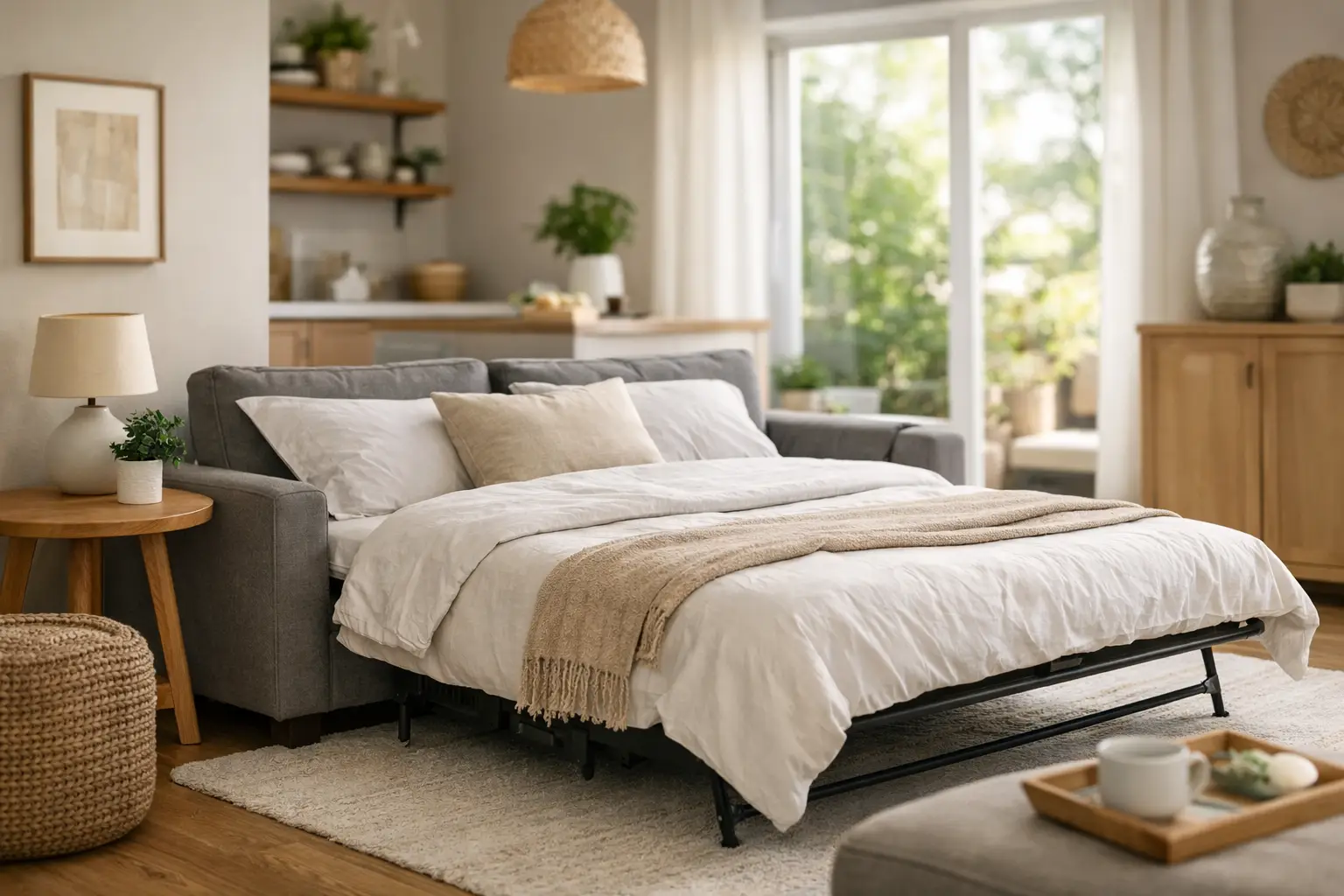
A guest bed sounds simple until you try fitting one into a home office, kids’ room, or compact apartment without giving up valuable floor space. That is exactly why a pull out bed makes so much sense. It gives you an extra sleeping spot when you need it, then tucks away neatly when you do not.
For many homeowners, the appeal is not just saving space. It is saving the room itself. Instead of turning a bedroom into a permanent guest room, a pull out bed lets one space do more. That matters when every square foot needs to earn its place.
Why a pull out bed works so well
A good pull out bed solves a very specific problem. You want the flexibility of an extra bed, but you do not want the bulk of a second full-size frame taking over the room. In practical homes, especially those with tighter layouts, that is a common challenge.
The biggest advantage is that it keeps the room usable. During the day, you still have space for storage, study, play, or simply easier movement. At night, the bed is there when family visits, when kids have sleepovers, or when a helper, relative, or overnight guest needs a proper sleeping surface.
There is also a budget angle. Buying one pull out bed can be more cost-effective than furnishing an entire extra bedroom with another frame and mattress set. If you are setting up a new home and trying to balance comfort with spending, that matters.
Who should consider a pull out bed
This type of bed is especially useful for couples furnishing a first home, families with children, and homeowners trying to make one bedroom serve multiple purposes. It is also a practical option if you host guests occasionally but not often enough to justify a dedicated room.
Parents often choose a pull out bed for a child’s room because it gives siblings or cousins a place to sleep without needing bunk beds. It can also work well in a study that doubles as a guest room. If the room already includes wardrobes, desks, or storage, a pull-out design keeps things far more manageable.
That said, it is not the right answer for every household. If the second sleeper will use the lower bed every single night, comfort, mattress thickness, and access become much more important. In that case, some people may prefer a larger storage bed in one room and a standard frame in another. It depends on how often the extra bed is being used and who will sleep on it.
Pull out bed vs storage bed
This is where many shoppers pause. Both options are space-saving, but they solve different problems.
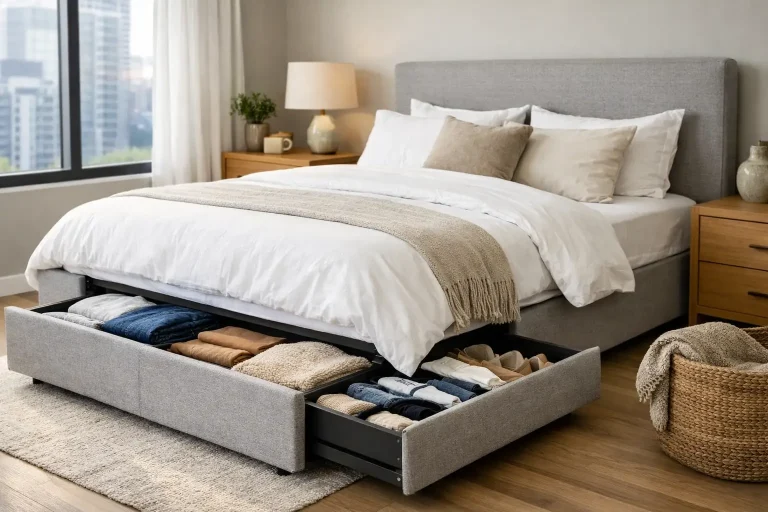
A storage bed gives you hidden room for bedding, luggage, or seasonal items. That is ideal when your main issue is clutter. A pull out bed gives you an extra sleeping surface. That is ideal when your main issue is sleeping capacity.
Some homeowners initially shop for storage because they know they need a smarter bed frame, then realize what they really need is occasional sleeping space for guests or children. Others do the opposite. They focus on adding another bed, then discover their room is better served by storage because overnight guests are rare. Honest planning helps here. Think less about what sounds useful and more about what actually happens in your home each month.
What to check before buying a pull out bed
Not all pull out beds are built the same. The concept is straightforward, but the details decide whether the bed feels smooth and dependable or frustrating after a few months.
Start with the mechanism. The lower section should pull out easily without jerking, sticking, or scraping the floor. A well-made frame feels stable even after repeated use. If you need both adults and children to operate it comfortably, ease of use matters more than people expect.
Next, check the mattress height. Some pull out bed designs require a thinner mattress below so the lower section can slide in properly. That is not necessarily a drawback, but it does affect comfort. If the lower mattress is too thin or low quality, guests may feel the difference quickly. A bed frame that saves space but compromises sleep too much is not a smart purchase.
The height of the opened bed also matters. Some pull-out designs lift to match the height of the main bed, while others remain lower to the ground. If this bed will be used by older family members or adults who prefer easier entry and exit, that difference is worth paying attention to.
Durability should be part of the conversation too. Look at the frame material, slat support, wheel quality, and how securely the secondary bed sits when extended. A lower bed that wobbles or shifts does not inspire confidence, especially with regular use.
Comfort matters more than most people think
A pull out bed often gets treated like a backup plan, but the person sleeping on it still wants a decent night’s rest. That means mattress support should not be an afterthought.
For occasional use, a medium-feel mattress is often the safest choice because it suits a wider range of sleepers. If the bed is mainly for kids, you may have more flexibility. If it will be used by adults, especially parents or visiting relatives, support becomes more important.
This is also where many homeowners benefit from shopping with a furnishing retailer that understands sleep products, not just frames. The right mattress pairing can make a simple space-saving bed feel genuinely comfortable rather than temporary. Catnap Lair, for example, focuses heavily on matching practical bed frames with mattresses that balance comfort, support, and value, which is exactly what many compact-home buyers need.
Best rooms for a pull out bed
The most common place for a pull out bed is a child’s bedroom, but it is far from the only option. A study is one of the smartest uses because it preserves daily function while adding overnight flexibility. A guest room that is also used for storage or work can benefit in the same way.
It can also make sense in a vacation property or multi-purpose family room where sleeping arrangements need to adapt. The key is making sure the room still has enough clearance to extend the lower bed fully. This sounds obvious, yet it is one of the most overlooked buying mistakes.
Measure beyond the bed footprint. You need room to pull the lower section out comfortably, walk around it, and open nearby drawers or doors. If the bed sits too close to a wardrobe, desk, or door swing, daily use becomes awkward fast.
Common mistakes shoppers make
One mistake is choosing based only on price. Affordability matters, especially when furnishing an entire home, but the cheapest pull out bed can cost more later if the frame loosens, the wheels fail, or the mattress pairing feels uncomfortable from day one.
Another common issue is underestimating who will use the lower bed. A setup that seems fine for a child’s occasional sleepover may not be suitable for an adult guest staying several nights. Be realistic about usage. Occasional, regular, and nightly use are very different scenarios.
Some buyers also forget about bedding storage. Where will the pillows, sheets, and blanket go when the lower bed is tucked away? If the room has limited storage, think about that before buying. A neat solution on paper can feel less convenient if the bedding has no proper home.
How to choose the right pull out bed for your home
The best approach is to start with your real-life needs. Ask how often the extra bed will be used, who will sleep on it, and what the room needs to do during the day. Once those answers are clear, the right bed style usually becomes easier to identify.
If the bed is for children and occasional guests, you may prioritize easy operation and a compact footprint. If it is for frequent adult use, focus more on mattress support, frame stability, and height. If your home is short on storage as well as sleeping space, compare whether a drawer bed or another multifunction frame may suit you better.
A good retailer should help you weigh those trade-offs instead of pushing a one-size-fits-all answer. That kind of guidance is especially valuable when you are furnishing a smaller home and every purchase affects how the room functions.
A pull out bed is not just a clever feature. When chosen well, it is a practical way to make your home more flexible, more comfortable, and easier to live in every day. The right one gives you sleeping space when you need it and your room back when you do not.