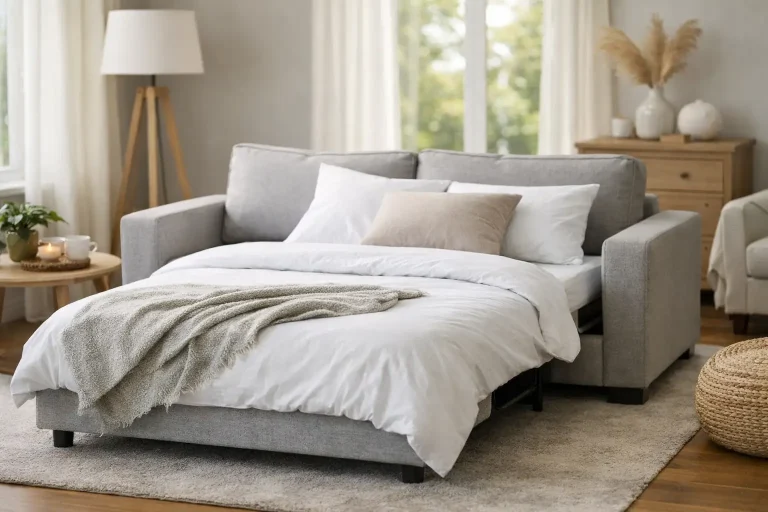

Waking up with a tight lower back can make a good mattress feel less like a luxury and more like a daily necessity. If you are shopping for the best mattress for back pain, the goal is not simply to find something soft or firm. It is to find a mattress that keeps your spine in a healthier position through the night, reduces pressure buildup, and matches the way you actually sleep.
That is where many shoppers get stuck. One brand says extra firm is best. Another says plush memory foam fixes everything. The truth is more practical than that. Back pain is personal, and the right mattress depends on your body weight, sleep position, sensitivity to heat, and whether your pain is in the lower back, shoulders, or hips.
What the best mattress for back pain actually does
A mattress cannot treat a medical condition, but it can either help your body recover overnight or make the problem worse. The best options usually do three things well.
First, they support neutral spinal alignment. That means your hips should not sink too far, and your shoulders should not be pushed up awkwardly. If your spine twists or bows while you sleep, your muscles stay tense for hours.
Second, they relieve pressure without collapsing. This is especially important for side sleepers, who need enough cushioning at the shoulders and hips. A mattress that is too hard can create pressure points, while one that is too soft may let the midsection dip too low.
Third, they stay consistent. A mattress might feel comfortable for five minutes in a showroom and still be wrong for you after a full night. Good back support comes from materials that hold their shape and continue performing night after night.
Firm, medium, or soft?
For most adults, a medium-firm mattress is the safest starting point. It usually offers enough pushback to support the lower back while still giving some contouring around heavier joints. This balance is why medium-firm mattresses are often recommended for people dealing with general back discomfort.
But medium-firm is not a magic answer for everyone. A lighter sleeper may find it too hard because they do not sink in enough to get pressure relief. A heavier sleeper may need a firmer build with stronger support layers to avoid sagging. If you share a bed, the right comfort level also depends on both sleepers, not just one.
If your back pain is paired with shoulder or hip soreness, going slightly softer on top with a supportive core can work well. If your pain feels worse when you sleep on something plush and sinking, a firmer mattress may be the better choice.
The best mattress for back pain by sleep position
Your sleep position matters more than most people realize. The same mattress can feel supportive to one person and miserable to another.
Side sleepers
Side sleepers usually need a mattress with enough cushioning to prevent pressure at the shoulders and hips. If the surface is too firm, those areas take too much force and the spine can shift out of line. A medium to medium-firm mattress with comfort layers that contour without swallowing the body is often the sweet spot.
Back sleepers
Back sleepers generally do well on medium-firm to firm mattresses. This position benefits from support under the lumbar area and stable reinforcement beneath the hips. If the mattress is too soft, the pelvis may sink and strain the lower back.
Stomach sleepers
Stomach sleeping is often the hardest on the lower back, especially on softer mattresses. These sleepers usually need a firmer surface that keeps the hips elevated and prevents an exaggerated arch in the spine. If you wake with lower back stiffness and sleep on your stomach, your mattress may simply be too soft.
Combination sleepers
If you switch positions at night, look for balanced support and easy movement. A mattress that is too deeply contouring can make repositioning harder. Responsive foams or supportive hybrid constructions tend to work better than very slow, dense foam for this group.
Which mattress material is best?
There is no single best material for every person with back pain, but each type has strengths and trade-offs.
Memory foam is popular because it contours closely and reduces pressure points. For some sleepers, that can mean less tension in the lower back and hips. The downside is that softer all-foam beds may trap more heat and can feel less supportive if the core is weak.
Latex has a more buoyant feel. It relieves pressure but does not hug the body as deeply as memory foam. Many people who want support with easier movement find latex more comfortable. It is also a strong option for sleepers who dislike the sinking sensation of traditional foam.
Hybrid mattresses combine foam or latex comfort layers with coil support systems. For many households, hybrids are the most balanced choice because they offer both cushioning and stronger structural support. They also tend to sleep cooler, which matters if heat buildup disrupts your sleep.
Traditional innerspring mattresses can still work, but they need good comfort layers to avoid feeling too hard or uneven. If an innerspring is basic, thin, or aging badly, it may not provide enough pressure relief for people already dealing with aches.
Signs your current mattress may be causing the problem
Sometimes the issue is not choosing the wrong model. It is keeping the wrong one for too long.
If you wake up stiff but feel better after moving around, your mattress may be failing to support you properly overnight. If you notice visible sagging, deeper body impressions, or a sloped sleeping surface, that is a major warning sign. The same goes for mattresses that feel fine at first but become uncomfortable after a few hours.
Another clue is sleeping better elsewhere. If your back feels noticeably better in a hotel bed or guest room, your own mattress may be part of the problem.
What to look for before you buy
When comparing options, do not focus only on marketing labels like orthopedic or luxury. Pay attention to how the mattress is built.
A strong support core matters more than a thick pillow top. Durable materials matter more than exaggerated softness. Edge support can also help if you sit on the side of the bed often or share the mattress with a partner, since weak edges can create an unstable sleep surface.
Temperature regulation is worth considering too. Poor sleep from overheating can increase tossing and turning, which may leave you more sore by morning. Cooling fabrics, breathable foams, or coil-based designs can help if you tend to sleep warm.
If you are furnishing a main bedroom, guest room, or a compact home where bed size and storage matter, it helps to think beyond the mattress alone. A supportive sleep setup works best when paired with the right bed base and room layout, especially if you are choosing space-saving furniture and want comfort without wasting floor area.
A realistic note on budget
The best mattress for back pain does not have to be the most expensive mattress in the showroom. Price can reflect better materials and durability, but a higher price tag is not a guarantee that it will suit your body.
What matters more is value over time. A mattress that supports you properly for years is usually a better buy than a cheaper one that starts sagging early. For many shoppers, the smart move is to focus on proven comfort, durable construction, and a retailer that gives honest guidance instead of pushing the most premium option.
This is especially important for households furnishing an entire home. If you are balancing spending across a bed frame, storage solutions, living room furniture, and more, the goal is to buy well rather than overspend in one category.
How to test a mattress the right way
Lie down in your normal sleep position, not just on your back for a few seconds. Stay there long enough to notice whether your shoulders, hips, and lower back feel supported. If you sleep with a partner, test the mattress together.
Pay attention to posture, not just softness. A mattress can feel cozy at first touch and still leave your spine unsupported. If possible, compare two or three firmness levels side by side. The differences become clearer when you feel them back to back.
At Catnap Lair, this kind of practical comparison matters because shoppers are often trying to balance comfort, support, budget, and real bedroom constraints all at once. That is a more useful buying process than chasing hype.
So what is the best mattress for back pain?
For most people, it is a medium-firm mattress with dependable support, enough pressure relief for your sleep position, and materials that hold up well over time. For side sleepers, that may lean slightly plusher on top. For back and stomach sleepers, it may lean firmer and more supportive underneath the hips.
If you are choosing between several good options, the best one is usually the mattress that keeps your spine feeling neutral, lets your muscles relax, and helps you wake up with less stiffness instead of more.
A mattress should make mornings easier, not harder. If your bed has been working against your back, choosing the right support can change more than your sleep – it can change how the rest of your day feels.