
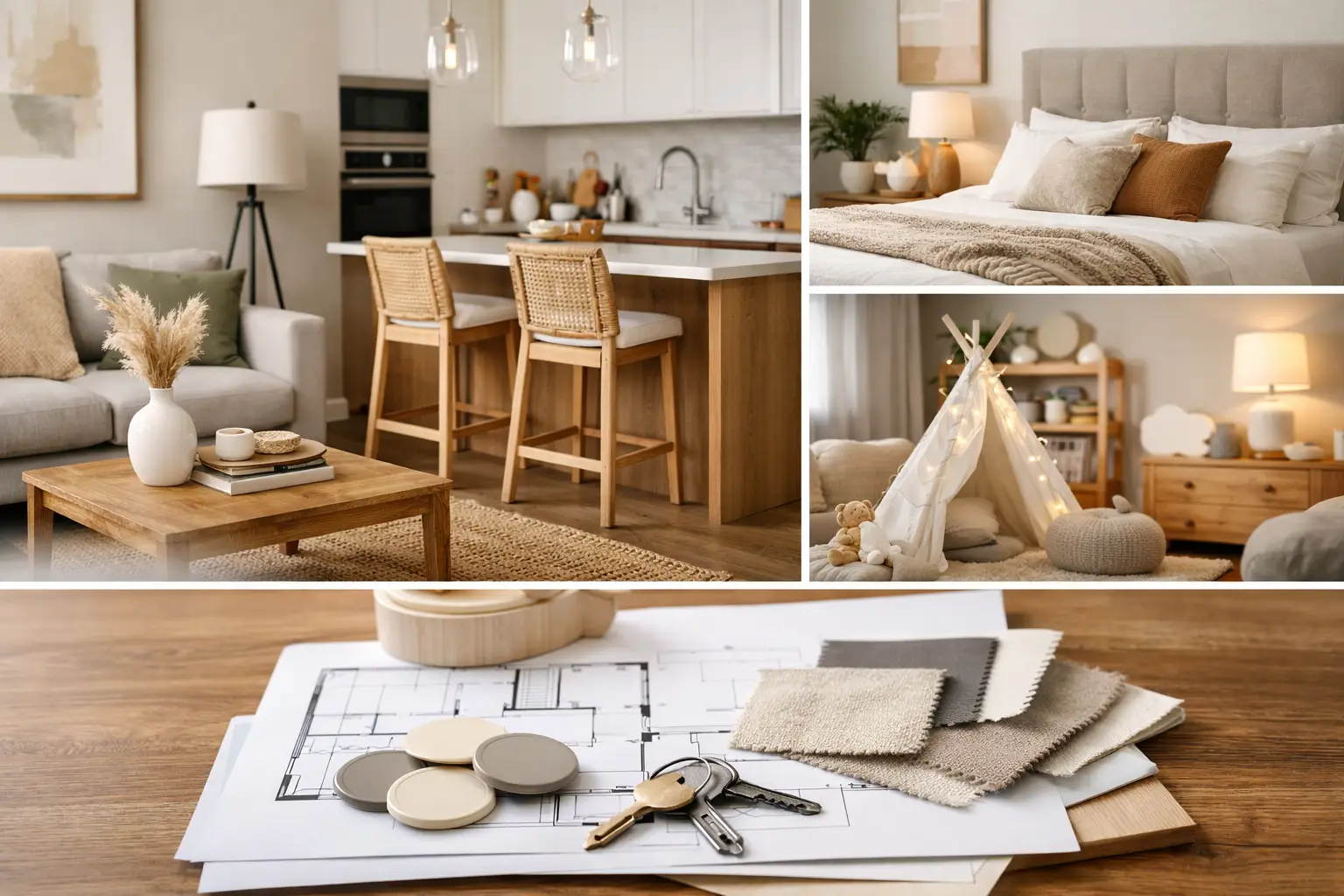
The keys are in your hand, the floor plan is finally real, and suddenly every empty room seems to need something at once. A good new home furnishing guide helps you avoid the common rush to buy attractive pieces that do not fit your routine, measurements, or budget. Start with the items that determine how your home feels every day: where you sleep, sit, eat, store belongings, and control privacy.
Furnishing well is not about filling every corner before move-in day. It is about making confident choices in the right order, so your new home is comfortable from the first night and still works when your needs change.
Start With Your Daily Life, Not a Shopping List
Before choosing a bed frame or sofa color, picture an ordinary weekday at home. Do you work from the dining table? Does one partner wake up much earlier? Are you hosting family regularly? Is storage already a concern before you have unpacked a single box?
These answers shape better purchases than a mood board alone. A compact apartment may need a storage bed and a streamlined dining set more than a large coffee table. A family with frequent overnight guests may get greater value from a pullout bed or bunk bed than from a dedicated guest room that sits unused most of the year.
Measure every room, including wall lengths, window locations, power outlets, door swings, and the route from your entryway to the room. In apartments, it is just as important to measure elevators, hallways, and tight turns. A sofa that fits on paper but cannot get through the doorway creates an expensive problem.
Keep a simple room-by-room plan with three categories: essential for move-in, useful within the first few months, and nice to have later. This keeps your budget focused on comfort and function before decorative extras.
Furnish in the Right Order
The most effective new home furnishing guide starts with high-use, long-term purchases. These are the pieces that affect your rest, posture, daily convenience, and available space.
Put sleep first
A mattress is not a temporary purchase. It supports hours of rest every night, which is why comfort should take priority over a showroom trend or a small price difference. Think about your usual sleeping position, body weight, temperature preferences, and whether you share the bed.
Side sleepers often appreciate pressure relief around the shoulders and hips, while back sleepers commonly need balanced support that keeps the spine aligned. Stomach sleepers may prefer a firmer feel to reduce excessive sink. Couples should also consider motion isolation, edge support, and temperature regulation, especially if one person sleeps warmer than the other.
There is no single best firmness for everyone. Test mattresses in person when possible, and give yourself enough time to settle into your normal sleeping position. Brands such as Dozi, Lady Americana, Maxcoil, Sleepy Night, and Fourstar offer different comfort and support profiles, so the right choice depends on your body and sleep habits rather than a one-size-fits-all rating.
Pair the mattress with a bed frame that earns its footprint. Storage beds and drawer beds are practical for linens, seasonal clothing, or bulky items. Platform and floating beds can create a cleaner visual line in a smaller bedroom, while a princess bed may suit a child’s room where a more decorative look matters. For flexible layouts, hidden wall beds and pullout beds provide sleeping space without giving up the room all day.
Choose seating for real use
A sofa must fit more than the living room. It should fit the way you relax. If movie nights, naps, and long conversations are part of your routine, prioritize seat depth, back support, and durable upholstery. If the room is narrow, a compact two- or three-seater with raised legs can keep the area feeling open.
Avoid choosing a sectional simply because it looks inviting in a large display space. It can overwhelm a compact living room and restrict the path to a balcony, dining area, or bedroom. Leave clear walking routes and consider where side tables, lamps, and charging points will go before you commit.
Solve storage before clutter arrives
New homeowners often underestimate how quickly everyday items accumulate. Clothing, luggage, bedding, children’s supplies, cleaning tools, and paperwork all need a home. A wardrobe should be planned around what you own, not just what looks good online.
Consider hanging space for dresses, shirts, and jackets; shelves for folded clothes; drawers for smaller items; and room for accessories or luggage. If two people share a wardrobe, divide the interior intentionally. A beautiful exterior cannot compensate for an awkward internal layout.
Make Small Rooms Work Harder
Space-saving furniture is especially valuable in Singapore-style homes, where each square foot needs to support more than one purpose. The goal is not to make rooms feel packed with clever features. It is to remove friction from daily life.
Choose furniture with useful storage when it does not compromise comfort. Under-bed compartments can reduce the need for extra cabinets. A dining set with an appropriate table size leaves room to move around chairs. Vertical storage uses wall height without swallowing precious floor area.
Be careful with oversized furniture, however. More storage is not always better if drawer openings block a walkway or a wardrobe makes a bedroom feel closed in. Create breathing room around the largest pieces. A home feels calmer when doors can open fully, people can pass comfortably, and cleaning is not a furniture-moving exercise.
For multipurpose rooms, define the main purpose first. A study that occasionally hosts guests needs a different setup from a guest room that occasionally becomes a workspace. The first may benefit from a compact desk and pullout bed; the second may work better with a wall bed and more permanent workstation.
Plan Windows, Walls, and Privacy Early
Window treatments are often treated as a finishing touch, but they influence privacy, daylight, heat, and sleep quality from day one. The right option depends on the room and the exposure.
Roller blinds offer a clean, simple look, while combi blinds make it easier to adjust light and privacy throughout the day. Venetian blinds give more directional light control. Curtains can soften a bedroom or living room and add useful light blocking, particularly where early morning sun is strong. Outdoor zip blinds can make balconies and outdoor areas more usable when weather or glare is a concern.
Walls deserve similar planning. Korean textured wallpaper can add warmth and depth without making a room busy, while a customized wall mural works best as a deliberate focal point rather than an afterthought. In a compact home, choose one feature wall instead of using a strong pattern everywhere. The room will feel more considered and less crowded.
Set a Budget That Protects What Matters
Your furnishing budget should account for more than furniture prices. Include delivery, installation, window measurements, mattress protectors, lighting, and the smaller essentials that add up quickly. Set aside a contingency amount for unexpected needs after move-in.
Spend more thoughtfully on items used every day and expected to last: a supportive mattress, a well-built bed frame, a practical sofa, and storage that fits your home. Save on easily replaceable decor, occasional furniture, or items you have not yet learned you need.
Flexible installment plans can help spread out a full-home purchase, but affordability still matters. Use them to manage cash flow, not to stretch beyond a realistic total. Direct factory pricing and group-buy opportunities can be useful for homeowners moving into the same BTO, condo, or EC project, especially when several households need similar categories of furniture and home fittings.
Check the Details Before You Confirm
The excitement of furnishing can make small details easy to miss. Before placing an order, confirm final dimensions, material and fabric choices, lead times, delivery access, assembly requirements, and warranty coverage. Ask how mattress firmness feels in practical terms, how much usable storage a bed provides, and whether blinds or curtains require an on-site measurement.
Photos help you narrow choices, but they do not replace careful advice. A showroom visit can be particularly useful for mattresses, sofa comfort, bed heights, and finishes. Catnap Lair combines online browsing with in-person consultation, which can make the decision easier when you need to compare options without guesswork.
Your first home does not need to be finished in one weekend. Choose the pieces that support good sleep, easy movement, useful storage, and shared everyday moments first. The rest can arrive gradually, after you have lived in the space long enough to know what will truly make it feel like yours.