A plain painted wall can make a room feel unfinished fast, especially when the furniture is already doing the heavy lifting. That is why korean wallpaper for home interior has become such a practical choice for homeowners who want a space to feel polished without taking on a full renovation. It offers texture, pattern, and warmth in a way paint often cannot, and it works especially well when you want your home to feel cozy, clean, and thoughtfully put together.
For many homeowners, the appeal starts with balance. Korean wallpaper tends to sit in a sweet spot between decorative and livable. It is often softer in tone than bold Western prints, more textured than standard flat wall finishes, and easier to blend into everyday homes where comfort matters just as much as style. If you are furnishing a bedroom, living room, or study and want the walls to support the furniture instead of fighting for attention, this category makes a lot of sense.
Why korean wallpaper for home interior works so well
One reason it stands out is restraint. Many designs are built around gentle neutrals, subtle linework, linen-like textures, soft botanicals, or quiet geometric patterns. That makes them easier to live with long term. A dramatic trend can look great for three months and feel tiring after that. Korean wallpaper usually leans more timeless, which matters if you are furnishing a home on a real budget and do not want to redo things too soon.
It also suits people who want visual warmth without clutter. In compact homes, every design choice gets noticed. A wall treatment that adds depth without making the room feel busy can do a lot of work quietly. This is especially helpful in bedrooms, where the goal is usually calm, or in living rooms where you want the sofa, curtains, and lighting to feel connected rather than randomly chosen.
There is also a practical side. Depending on the material and finish, wallpaper can help hide small wall imperfections better than paint. Some textured surfaces are more forgiving of uneven walls, hairline flaws, or light scuffing. That does not mean wallpaper solves every wall issue, but it can give you a neater final look when the surface is less than perfect.
The look you are really getting
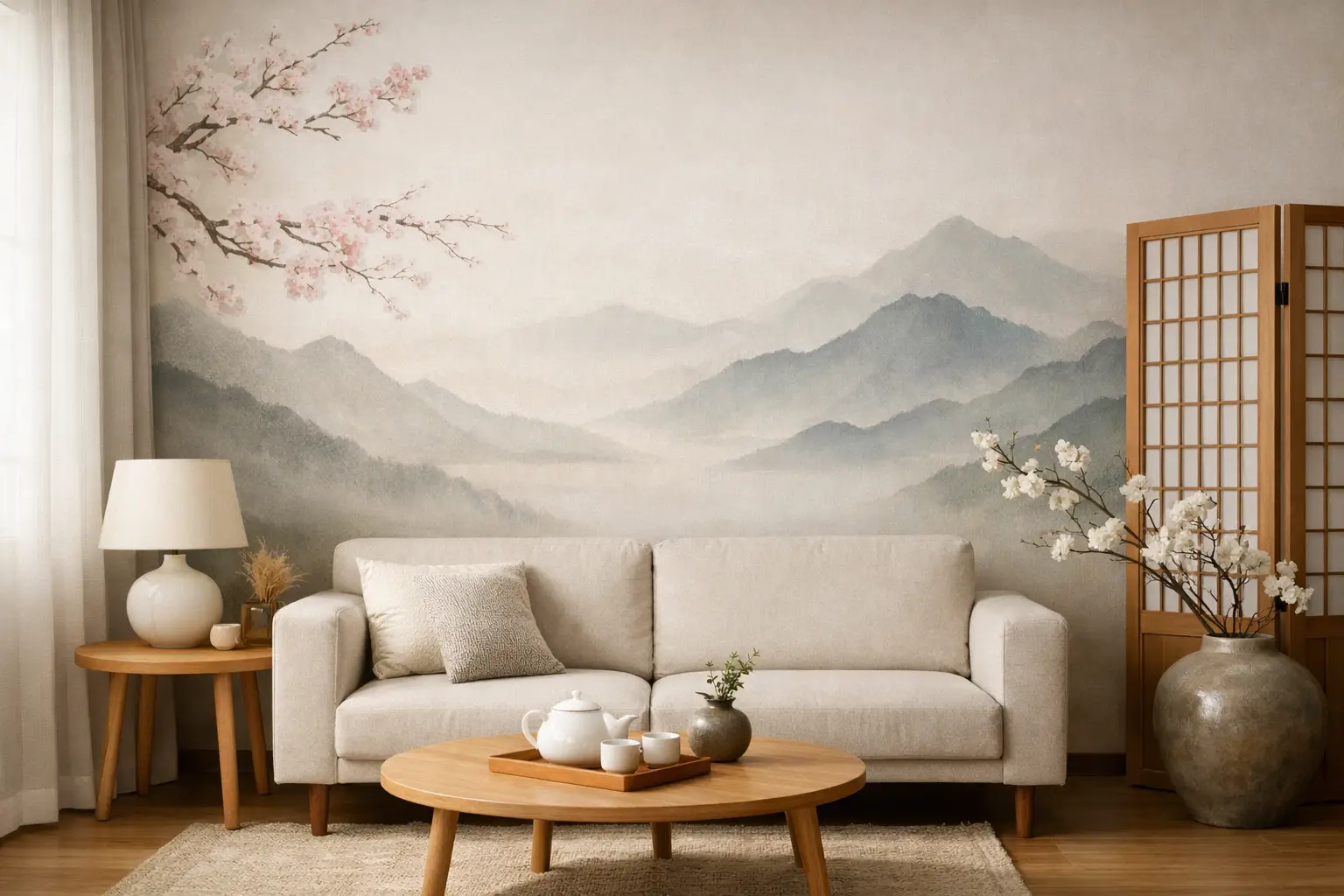
When people hear Korean wallpaper, they sometimes assume it means one very specific aesthetic. In reality, the range is broader than that. Yes, you will find soft beige, greige, taupe, warm white, dusty gray, and muted pastel tones that fit minimalist or modern interiors. But you will also find patterns that work in contemporary family homes, from understated marble effects to tactile fabric-inspired finishes.
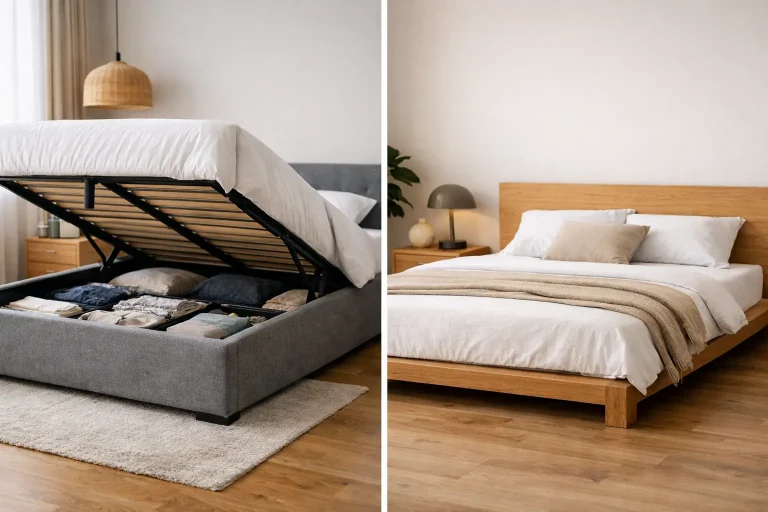
What ties many of these options together is the emphasis on comfort. The designs usually do not scream for attention. They create atmosphere first. That makes them easier to pair with practical furnishings such as storage beds, upholstered bed frames, compact sofas, blackout curtains, and simple wood-tone furniture.
If your home already has a lot going on, such as statement flooring, dark cabinetry, or bulky furniture, a quieter wallpaper can help bring order. On the other hand, if your furniture is simple and your room feels flat, a textured wall can add depth without forcing you to buy more decor.
Choosing the right korean wallpaper for home interior by room
The bedroom is often the easiest place to start. Wallpaper behind the bed can frame the sleeping area and make the whole room feel more intentional. Soft textures, warm neutrals, and low-contrast patterns tend to work best here. You want something restful, not something that keeps pulling your eye when you are trying to wind down.
In the living room, the decision depends on how much visual weight your sofa and TV wall already carry. If your furniture is bulky or dark, choose wallpaper that lightens the space and adds texture rather than strong pattern. If your seating is fairly plain, you can go slightly bolder with vertical lines, modern organic motifs, or subtle geometric repeats.
For dining spaces, wallpaper can create a more finished look than paint alone, especially if the room is small or open to the living area. A design with a little movement can help define the zone without adding partitions. In compact homes, that kind of visual separation matters.
Kids’ rooms are where many people feel tempted to go very theme-heavy. Sometimes that works, but it can date quickly. A better approach is often to choose a softer base wallpaper and let bedding, art, and accessories carry the playful details. That way the room can grow with your child instead of needing a full reset too soon.
Texture, pattern, and color – what matters most
If you only focus on color, you may miss what makes wallpaper special in the first place. Texture is often the real advantage. A plain warm gray with a linen-like finish can feel much richer than the same gray in paint. It catches light differently throughout the day and gives the room a softer, more layered character.
Pattern should match the size and purpose of the room. In smaller spaces, tight and low-contrast patterns usually feel safer. Large dramatic motifs can work, but only if the rest of the room is edited down. In practical homes, the goal is usually not to make every wall a statement. It is to make the whole room feel right.
Color also needs to work with your flooring, curtains, and major furniture pieces. This is where many homeowners make an expensive mistake. They pick wallpaper that looks great on its own, then discover it clashes with the wood tone of the bed frame or makes the sofa fabric look dull. Always assess the wall finish as part of the full room, not as a standalone sample.
What to watch out for before you commit
Wallpaper can look amazing, but it is not a magic fix. If your room has poor lighting, a cooler gray wallpaper may end up feeling flat or slightly cold. If your space is already tight, an overly busy pattern can make it feel more cramped. And if your furniture style is mixed, a wallpaper with a very specific mood might make the inconsistencies more obvious.
Maintenance matters too. Some finishes are easier to wipe down than others, which is important in homes with kids, pets, or high-traffic zones. Installation quality matters just as much as the wallpaper itself. Even a premium design can look disappointing if the seams are obvious, the alignment is off, or the wall prep was rushed.
This is why it helps to think beyond trend photos. Ask how the wallpaper will look with your actual lighting, your actual furniture, and your day-to-day use. The best choice is not always the most eye-catching one. It is the one that still feels right after the room is fully lived in.
How to pair wallpaper with furniture without overdoing it
A good wall finish should support the room’s main pieces. If you already have a statement bed frame, choose wallpaper that softens the background. If your sofa is a neutral fabric and your coffee table is simple, you have more freedom to add wall texture or a modest pattern.
Fabric matters here. Upholstered furniture, curtains, rugs, and wallpaper all bring their own surface character. If everything is heavily textured, the room can start to feel crowded even when the colors are calm. Usually, one or two textured elements should lead, while the rest stay quieter.
This is also where practical advice beats guesswork. A homeowner furnishing multiple rooms at once does not need isolated design tips. They need combinations that work together and stay within budget. That is why many shoppers prefer buying from a store that understands the full-home picture, not just one product category. Catnap Lair takes that approach seriously, especially for homeowners trying to coordinate bedrooms, living spaces, and soft furnishings without paying luxury-store markups.
Is it a good fit for your home?
If you like interiors that feel calm, modern, and welcoming, the answer is often yes. Korean wallpaper is especially strong for homeowners who want a finished look without going flashy. It works well in apartments, family homes, and rooms where comfort is the priority.
It may be less ideal if you strongly prefer very bold maximalist design, highly ornate traditional styling, or walls that need heavy repair before any finish goes on. In those cases, another treatment may make more sense. But for many people, the appeal is exactly that middle ground – stylish, practical, and easy to live with.
A well-chosen wallpaper does more than decorate a wall. It helps the room settle into itself. And when your home starts to feel calmer, warmer, and more complete, that is usually when you know you picked the right one.