
Sticker shock usually hits around the third big purchase. First it is the mattress. Then the bed frame. Then you realize the living room still needs a sofa, the windows need coverings, and the dining set is not going to buy itself. A solid home furnishing budget guide helps you avoid that spiral and spend where comfort, function, and daily use actually matter.
Most homeowners do not overspend because they are careless. They overspend because furnishing a home happens fast, choices feel urgent, and every product sounds essential. The smarter approach is to treat your home like a working system. Some pieces support your body every day. Some solve layout problems. Some simply make the home feel finished. Your budget should reflect those differences.
Start your home furnishing budget guide with priority zones
If you are furnishing from scratch, do not divide your budget evenly across every room. That sounds fair, but it usually leads to weak purchases in the categories that matter most. Start with the spaces you use hardest: the bedroom, living room, and dining area. Then move to finishing layers such as wallpaper, blinds, curtains, and hardware.
For most households, the bedroom deserves a larger share than people expect. A good mattress and supportive bed frame affect sleep, recovery, posture, and even how much storage you need elsewhere. A cheap mattress that needs replacing early is rarely a bargain. The same goes for a poorly built bed frame that squeaks, shifts, or wastes valuable under-bed space.
The living room usually comes next because it serves multiple roles. It is where people lounge, host guests, work remotely, or let kids spread out. A sofa should match the size of your home and your actual habits. If you mostly watch TV at night, comfort matters more than trend appeal. If you host often, seat count and cleanability matter more.
The dining area tends to be easier to control, especially in compact homes. You need enough seating, a practical table size, and materials that can handle daily use. You do not always need the biggest set in the showroom. In smaller layouts, the wrong dining table can make the whole home feel cramped.
Spend more on what gets used every day
A practical home furnishing budget guide is not about buying the cheapest option in every category. It is about buying the right level of quality for the way you live.
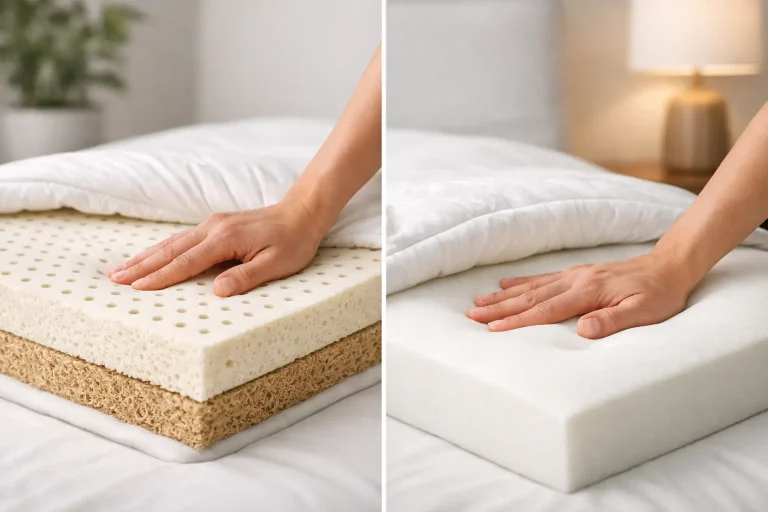
Mattresses are the clearest example. You use one every night, for years. That is why this category usually deserves stronger budget protection than decorative upgrades. If you are comparing options, think beyond brand names and focus on support, comfort level, cooling performance, and durability. For some sleepers, a firmer feel makes sense for back support. For others, pressure relief matters more. It depends on body type, sleep position, and whether you sleep warm.
This is also where many couples make a common mistake. They compromise toward the lowest price instead of the best shared comfort level. A mattress that causes poor sleep becomes expensive in ways that are harder to measure. If budget is tight, it is often smarter to scale back on accent furniture and protect the mattress spend first.
Bed frames deserve more thought too, especially in smaller homes. A platform bed may suit a minimal setup, but a storage bed or drawer bed can replace the need for extra cabinets. A pullout bed or hidden wall bed can be a smart move for guest flexibility or multi-use rooms. These space-saving pieces may cost more upfront, but they can reduce spending in other areas and help the home function better overall.
Know where to save without regret
Not every category needs premium spending. The key is knowing which trade-offs are low risk.
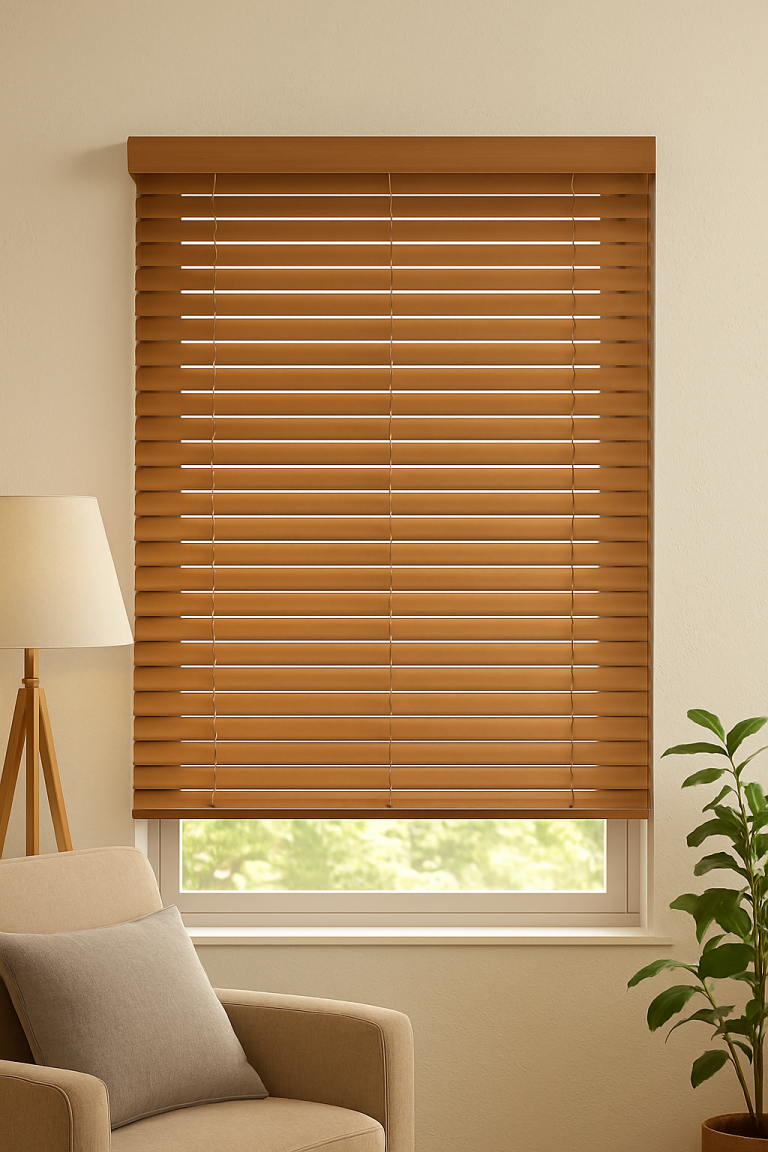
Wallpaper, blinds, and curtains can be budgeted according to visibility and function. A statement wall in the living room may deserve more because it sets the tone of the space. Secondary bedrooms may not need custom mural treatments if simple textures do the job. For window coverings, the room tells you what matters. Bedrooms often need better light control and privacy, while common areas may be fine with simpler options.
Dining sets are another place where moderate spending often works well. You want stable construction, easy maintenance, and a size that fits circulation space. Beyond that, it is easy to pay extra for styling details that do not improve daily use. The same logic applies to wardrobes if you already have built-ins or only need temporary storage support.
Decor can wait. That includes side tables, accent chairs, wall art, and styling extras. These items are enjoyable, but they should not crowd out the budget for essentials. A home can function well before it looks fully styled.
Budget by function, not just by room
One of the better ways to plan is to separate your spending into three buckets: sleep, seating, and space efficiency. That keeps your budget grounded in real life rather than in a shopping checklist.
Sleep includes the mattress, bed frame, and bedroom basics. This bucket usually has the strongest long-term value because better sleep affects every day. Seating covers the sofa and dining chairs, where comfort and wear resistance matter. Space efficiency includes items such as storage beds, compact dining sets, wardrobes, and window treatments that make the home more usable.
This method is especially helpful in compact urban homes where every piece needs to earn its footprint. A floating bed may look sleek, but a storage bed might solve a bigger problem. A large sofa may feel luxurious, but if it blocks movement or overwhelms the room, it is the wrong purchase regardless of price.
Plan for the hidden costs people forget
Furniture budgets often break because buyers focus only on ticket prices. The real cost includes delivery timing, installation needs, customization, and whether a product helps you avoid future spending.
For example, a direct-priced mattress or bed frame may offer better value than a heavily marked-up retail option, even if the upfront number is not the absolute lowest. Flexible installment plans can also make sense when used carefully. They are useful for protecting cash flow during a full-home setup, but only if the monthly amount stays comfortable and you are not using installments to justify unnecessary upgrades.
There is also a strong case for bundling purchases when it leads to better pricing or smoother coordination. If you are furnishing multiple rooms at once, one-stop shopping can reduce decision fatigue and help you keep style, sizing, and delivery aligned. That matters more than many first-time buyers expect.
Avoid the most expensive beginner mistakes
The first mistake is buying in the wrong order. If you start with decorative pieces, your budget shrinks before the essentials are handled. The second is choosing furniture based on showroom appearance without measuring how it will live in your home. Good-looking furniture that crowds walkways or limits storage creates daily frustration.
The third is underestimating how specific needs change the budget. Kids may need bunk beds or pullout options. Frequent guests may justify a more flexible sleeping setup. Warm sleepers may need a mattress with stronger cooling properties. Homeowners planning for the long term may want better durability upfront instead of a quick fix.
The fourth is assuming low price always means better value. Sometimes it does. Sometimes it means weaker support, lower durability, or a piece you replace too soon. Price matters, but so does lifespan.
A realistic way to make decisions faster
If you are feeling overwhelmed, use a simple filter for every major purchase. Ask whether the item improves comfort, saves space, or solves a daily problem. If the answer is no, it probably belongs later.
That mindset helps narrow choices quickly. A well-made mattress with the right support earns its place. A storage bed that frees up closet pressure earns its place. Blinds or curtains that control heat and privacy earn their place. Decorative upgrades may still be worth buying, but only after the functional core of the home is covered.
This is also where expert guidance can save money. A patient furnishing team can help you avoid overbuying, choose sizes that suit your floor plan, and compare practical options across mattresses, bed frames, sofas, dining sets, and window coverings. Catnap Lair has built much of its reputation around exactly that kind of support, especially for homeowners trying to furnish efficiently without paying inflated middleman pricing.
A good home does not come from spending the most. It comes from knowing what deserves your money now, what can wait, and what will make everyday living feel easier the moment you walk through the door.