You can wash your sheets every week, vacuum the room, and still wake up stuffy, itchy, or sneezing. When that happens, the next question is usually the right one: what mattress is good for allergies? The answer is not just about brand names or price tags. It comes down to materials, moisture control, cleanability, and how well the mattress resists common triggers like dust mites, mold, and trapped irritants.
For most allergy-sensitive sleepers, the best mattress is one with breathable materials, low moisture retention, and a removable or protective barrier that helps keep allergens from building up inside. That usually points people toward latex, certain hybrid mattresses, and high-quality memory foam models with washable covers and better temperature regulation. But there are trade-offs, and the best choice depends on what exactly is triggering your symptoms.
What mattress is good for allergies depends on the trigger
Not all allergies behave the same way. Some people react mostly to dust mites. Others are more sensitive to mold, pet dander, or chemical odors from new materials. A mattress that works well for one person may not feel right for another, especially if you also sleep hot or need stronger back support.
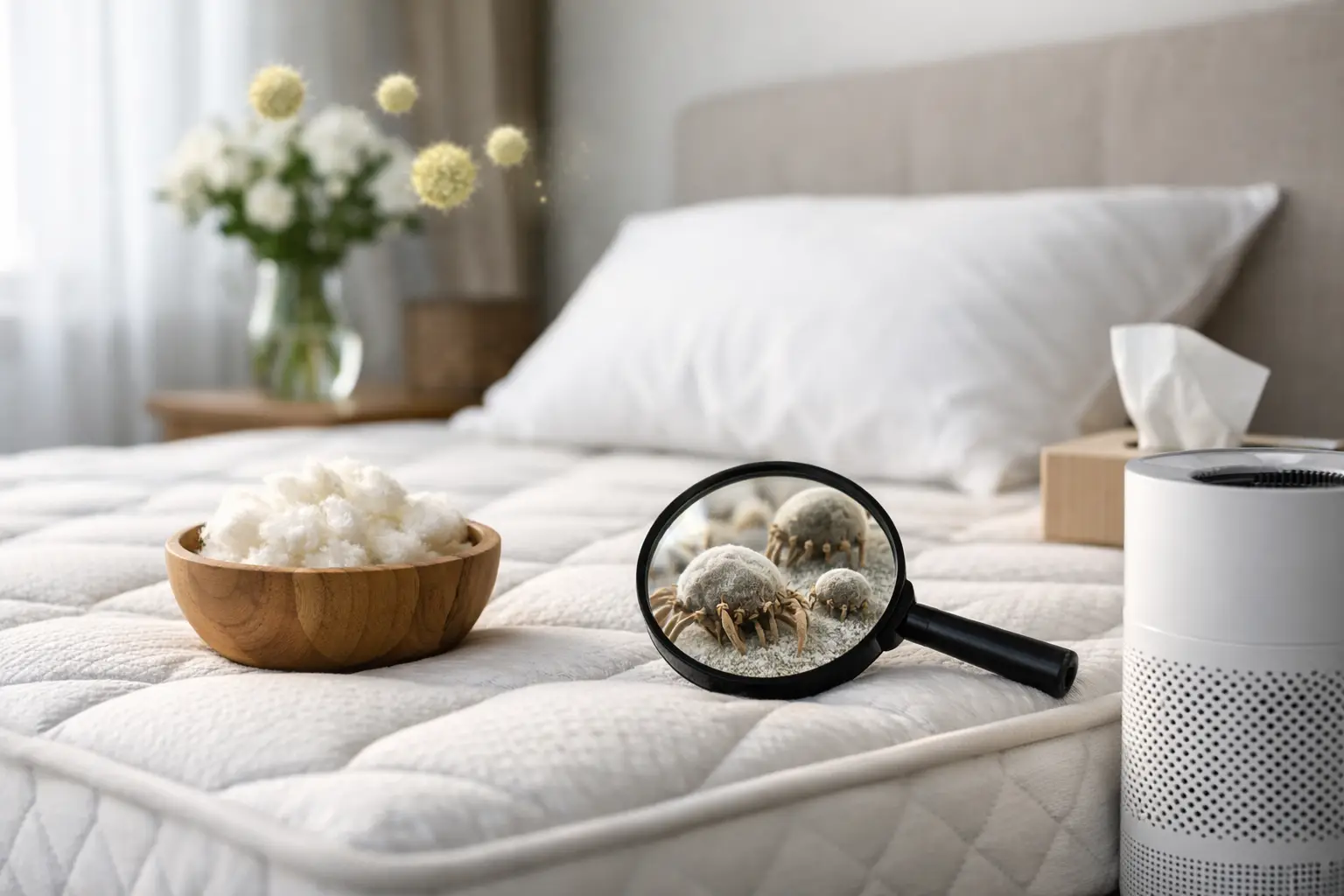
Dust mites are the most common mattress-related problem. They thrive in warm, humid environments and feed on dead skin cells, which means older mattresses can become a comfortable home for them over time. Mold is another concern, especially in rooms with poor ventilation or high humidity. Then there is off-gassing. Some foam mattresses release volatile compounds when new, and that smell can irritate sensitive sleepers even if it fades after a few days.
So when shoppers ask what mattress is good for allergies, the better question is often this: what mattress gives allergens fewer places to settle and is easier to keep clean?
The best mattress materials for allergy-sensitive sleepers
Latex is often one of the strongest options. Natural latex is dense, breathable, and generally less inviting to dust mites than traditional fiber-filled sleep surfaces. It also tends to resist moisture buildup better than some all-foam constructions. For people who want a cleaner-feeling sleep environment without an overly soft, heat-trapping surface, latex can be a smart choice.
That said, latex is not automatically perfect for everyone. It usually costs more, has a distinct feel that not every sleeper likes, and can feel heavier and less easy to move. If you have a confirmed latex allergy, this category obviously needs extra caution and professional advice.
Memory foam can also work well, especially if the foam is high density and paired with a good mattress protector. Because foam is dense, it does not create the same loose interior environment that older innerspring pillow tops often do. The catch is heat. If the foam traps too much warmth, it can also trap moisture, and that is not ideal in humid conditions. Newer cooling foams, open-cell structures, and breathable covers help solve part of that issue, but performance varies from model to model.
Hybrid mattresses are often a practical middle ground. They combine foam or latex comfort layers with an innerspring core, which allows more airflow than many all-foam beds. For shoppers who want pressure relief without the stuffy feel of a dense foam mattress, a hybrid can make sense. The key is to look at what sits on top. A breathable top layer with a washable cover is much more allergy-friendly than a thick, fiber-heavy pillow top that holds dust.
Traditional innerspring mattresses are not always the best fit for allergy concerns, especially if they use thick quilted padding and older upholstery materials. They can accumulate dust more easily and may not offer the same close-knit barrier against allergen buildup. Still, a simpler innerspring design with fewer plush layers can perform better than an overly padded model.
Features that matter more than marketing claims
A lot of mattress labels use terms like hypoallergenic, antimicrobial, or allergy-friendly. Those claims can be helpful, but they should never be the only reason you buy.
What matters more is construction. A removable, washable cover is useful because it lets you clean the sleep surface more thoroughly. Breathable materials matter because lower heat and moisture make the bed less welcoming for mold and dust mites. A mattress protector matters just as much as the mattress itself, especially one designed to create a barrier against allergens without trapping too much heat.
Certifications can also help if you are sensitive to odors or chemical emissions. They do not guarantee you will love the mattress, but they can provide more confidence that certain harmful substances or higher-emission materials are limited.
If you are choosing between two similar mattresses, the one that stays drier, cooler, and easier to maintain usually has the edge.
What mattress is good for allergies if you sleep hot?
This is where many people get stuck. They want protection from allergens, but they also do not want a bed that feels warm and heavy.
In that case, a breathable hybrid or latex mattress is often the safer direction. Better airflow helps reduce heat and moisture buildup, and that creates a less friendly environment for irritants. Some cooling memory foam mattresses can work too, but this depends on the quality of the foam and cover. A cooling label by itself does not mean the mattress will actually stay dry and comfortable through the night.
If you live in a humid climate or your bedroom tends to feel warm, moisture control matters even more. The mattress should not only feel cool at first touch. It should continue releasing heat instead of holding it close to the body.
When the mattress is not the only problem
Sometimes people replace the mattress and still notice allergy symptoms. That does not always mean they chose the wrong bed. Bedding, pillows, old bed frames, rugs, curtains, and room humidity can all contribute.
A mattress can reduce one major source of buildup, but it works best as part of a cleaner sleep setup. Washable bedding, a mattress protector, regular vacuuming around the bed, and proper ventilation all help. If the bed base has fabric that collects dust or the room feels damp most of the week, those issues can cancel out the benefit of a better mattress.
This is also where practical bedroom planning matters. In smaller homes, storage beds can be useful, but they should be designed in a way that still allows airflow and easy cleaning around the sleeping area. A mattress does not exist in isolation. The whole bed setup affects how fresh the space feels.
How to shop without overpaying for features you do not need
A more expensive mattress is not automatically better for allergies. Sometimes you are paying for added plush layers, trendy fabrics, or branding that does little to improve your sleep environment.
Start with the basics. Look for a mattress with breathable materials, dependable support, and a surface that is easy to protect and maintain. Then think about your sleeping position and comfort preference. Allergy relief matters, but so does spinal support. If a mattress keeps allergens lower but leaves you waking up with back pain, it is not the right fit.
This is why honest guidance matters. Brands that carry a range of mattress types can usually help you compare materials without forcing a one-size-fits-all answer. At Catnap Lair, that practical approach is often what helps shoppers narrow down the right balance of comfort, cooling, and easy maintenance without stretching the budget unnecessarily.
The mattress types most people should shortlist
If you want the simplest answer to what mattress is good for allergies, start with latex and breathable hybrid mattresses. They tend to offer the best balance of airflow, resistance to moisture buildup, and easier long-term maintenance. High-quality memory foam can also be a good option if odor sensitivity is not a major issue and the design includes cooling features plus a washable cover.
The models worth avoiding are usually the ones with overly thick pillow tops, heavy fiber padding, poor ventilation, or no practical way to protect and clean the surface. Those beds may feel plush in a showroom, but they can become harder to manage over time if allergies are already part of your sleep story.
A mattress should help you rest, not give dust, moisture, and irritation a place to settle in. The best choice is the one that stays supportive, breathable, and realistically easy to live with long after delivery day.