A sofa that looks perfect in a showroom can feel completely wrong the moment it lands in a small apartment living room. Suddenly the walkway shrinks, the coffee table feels oversized, and the whole space starts working harder than it should. If you are shopping for the best sofa for small living room layouts, the right choice is usually less about chasing the biggest seat count and more about getting the proportions, function, and layout right.
That matters even more in compact homes where the living room needs to do more than one job. It may be where you host family, stretch out after work, let kids play, or even create an occasional guest sleeping spot. A good small-space sofa should support daily life without making the room feel crowded.
What makes the best sofa for small living room layouts?
The short answer is balance. The best sofa is comfortable enough for everyday use, compact enough to preserve movement, and practical enough to match how you actually live.
A lot of buyers focus first on overall width, which is important, but width alone does not tell the full story. Depth changes how bulky a sofa feels. Armrest thickness affects how much actual seating space you get. Leg height influences whether the sofa looks visually light or heavy. Even the backrest matters. A very tall, overstuffed back can dominate a room, while a lower-profile silhouette tends to feel cleaner and less imposing.
In a small living room, visual weight matters almost as much as physical size. A sofa with slim arms, raised legs, and a tidy frame can often fit better than a shorter but chunkier model.
Start with the room, not the sofa
Before looking at colors, fabrics, or trendy shapes, measure your space carefully. This step saves a lot of regret later.
Check the wall length where the sofa will sit, but also measure your walking clearance. Most people need enough room to move comfortably around the sofa without turning sideways or bumping into corners. If your layout includes a TV console, side table, or dining zone nearby, the sofa needs to coexist with those pieces rather than compete with them.
Also measure entryways, elevators, stair turns, and hallway corners. This sounds basic, but it is one of the most common reasons a good purchase becomes a stressful one. The best sofa for small living room use is not just the one that fits the room on paper. It has to fit the journey into the room too.
The sofa types that usually work best
Not every sofa style makes sense for a compact space. Some are simply better at giving you more seating without eating up the room.
Apartment sofas
Apartment sofas are one of the safest choices for smaller homes. They are designed with tighter widths and cleaner lines, usually seating two to three people without the oversized proportions of a standard full-size couch. If your living room is narrow or shared with a dining area, this format often gives the best balance of comfort and scale.
Loveseats
A loveseat works well when you live alone, as a couple, or when the living room is truly compact. It is also a smart option if you want to pair it with an accent chair later. The trade-off is obvious – you get less lounging space. If you like stretching out for movie nights, a loveseat may feel limiting unless you add an ottoman.
Compact sectionals
Sectionals are not automatically too big. In fact, the right compact L-shape can sometimes outperform a regular sofa because it uses corner space efficiently and reduces the need for extra chairs. This works especially well if your room has one clear corner and you want to maximize family seating.
The key is restraint. Choose a small sectional with a slimmer chaise or a shorter return. An oversized sectional in a small room usually makes everything else feel like an afterthought.
Sofa beds and pull-out sofas
If your living room doubles as a guest room, a sofa bed can be a smart buy. It gives you two functions in one footprint, which is often exactly what a small home needs. The trade-off is that some sofa beds are heavier, bulkier, and firmer than standard sofas.
If guest use is occasional, a compact sofa bed is worth considering. If sleeping use is frequent, comfort in both modes matters more than sleek looks.
Size details most people overlook
Once you narrow the type, the next step is looking closely at dimensions that affect everyday comfort.
Seat depth is a big one. Deep sofas look inviting, but in a small living room they can take up more floor area than expected. They also do not suit everyone. If you prefer sitting upright while watching TV or chatting, a moderate seat depth is usually more supportive. If you want that loungey, sink-in feel, you may prefer a deeper seat, but make sure the room can afford it.
Arm width is another hidden factor. Thick rolled arms can waste usable seating width, especially on compact sofas. Slim track arms or gently tapered arms tend to give you more sitting room without increasing the outer dimensions.
Leg design matters too. Sofas with visible legs create a lighter, airier look because you can see floor space underneath. That visual openness can make a small room feel less cramped.
Which shape works best in a small room?
The best shape depends on your layout.
If the sofa goes against one main wall, a straight two- or three-seater is usually the easiest choice. It keeps the room flexible and leaves more options for coffee tables, nesting tables, or storage stools.
If your room has an unused corner, an L-shape may help define the seating zone better. This is especially useful in open-plan homes where the living space flows into dining or kitchen areas.
If the room is narrow, avoid bulky curved sofas or extra-wide recliners unless the dimensions are truly compact. These can disrupt traffic flow fast. Reclining features are not off-limits, but make sure there is clearance behind and in front when fully extended.
Fabric, color, and real-life maintenance
The best sofa for small living room use should be easy to live with, not just easy to photograph.
If you have kids, pets, or frequent guests, fabric performance matters. Tighter woven upholstery generally handles daily wear better than delicate textured fabrics. Removable cushion covers can make maintenance easier. Synthetic blends are often practical because they resist wear and are simpler to clean than more delicate materials.
Color is a personal choice, but in smaller rooms, lighter neutrals often help the space feel more open. That said, light fabric is not always the most forgiving. Mid-tone grays, taupes, and warm beiges tend to hide everyday use better while still keeping the room bright. If you prefer darker shades, a sofa with raised legs and a streamlined silhouette can prevent the room from feeling too heavy.
Should you choose storage or multifunction features?
In a small home, extra function is rarely wasted. A sofa with built-in storage can be useful for keeping throws, extra cushions, or seasonal items out of sight. That is especially helpful if your living room does not have much cabinetry.
But multifunction furniture always comes with trade-offs. Storage sofas can be heavier and sometimes less refined in shape. Sofa beds add utility, but some compromise on seating comfort. The right choice depends on what problem you are trying to solve. If clutter is your main issue, hidden storage may be worth it. If overnight guests are common, sleeping function should come first.
Comfort should still be non-negotiable
Small-space shopping sometimes pushes people into buying the tiniest thing available. That is not always smart. A sofa still needs to feel good after a long workday.
Pay attention to seat firmness, back support, and cushion construction. A very soft sofa may feel cozy for ten minutes but less supportive over time. A very firm one may hold its shape better but feel less inviting. Most households do best with a medium-firm seat that is easy to get in and out of.
If you are furnishing your first home or upgrading on a budget, it is usually better to buy one well-proportioned, comfortable sofa than to overfill the room with multiple smaller seats that never quite work together.
Common mistakes when buying a sofa for a small living room
One of the biggest mistakes is sizing up for imagined entertaining instead of everyday living. Buying extra seats for the rare holiday gathering can leave you with a cramped room the other 360 days of the year.
Another mistake is ignoring layout flow. A sofa can fit the wall and still block the path to the balcony, hallway, or dining area. That daily irritation adds up quickly.
The third mistake is focusing only on appearance. A sofa may look minimal online but feel uncomfortable in person, or have dimensions that tell a different story than the photos. Honest guidance matters here, especially when you are trying to stretch your budget without making an expensive mistake.
That is why many homeowners prefer buying from furnishing specialists who understand compact homes and can help match dimensions, features, and price to real household needs. At Catnap Lair, that practical, no-pressure approach is a big part of making furniture shopping less stressful.
So what is the best sofa for small living room buyers?
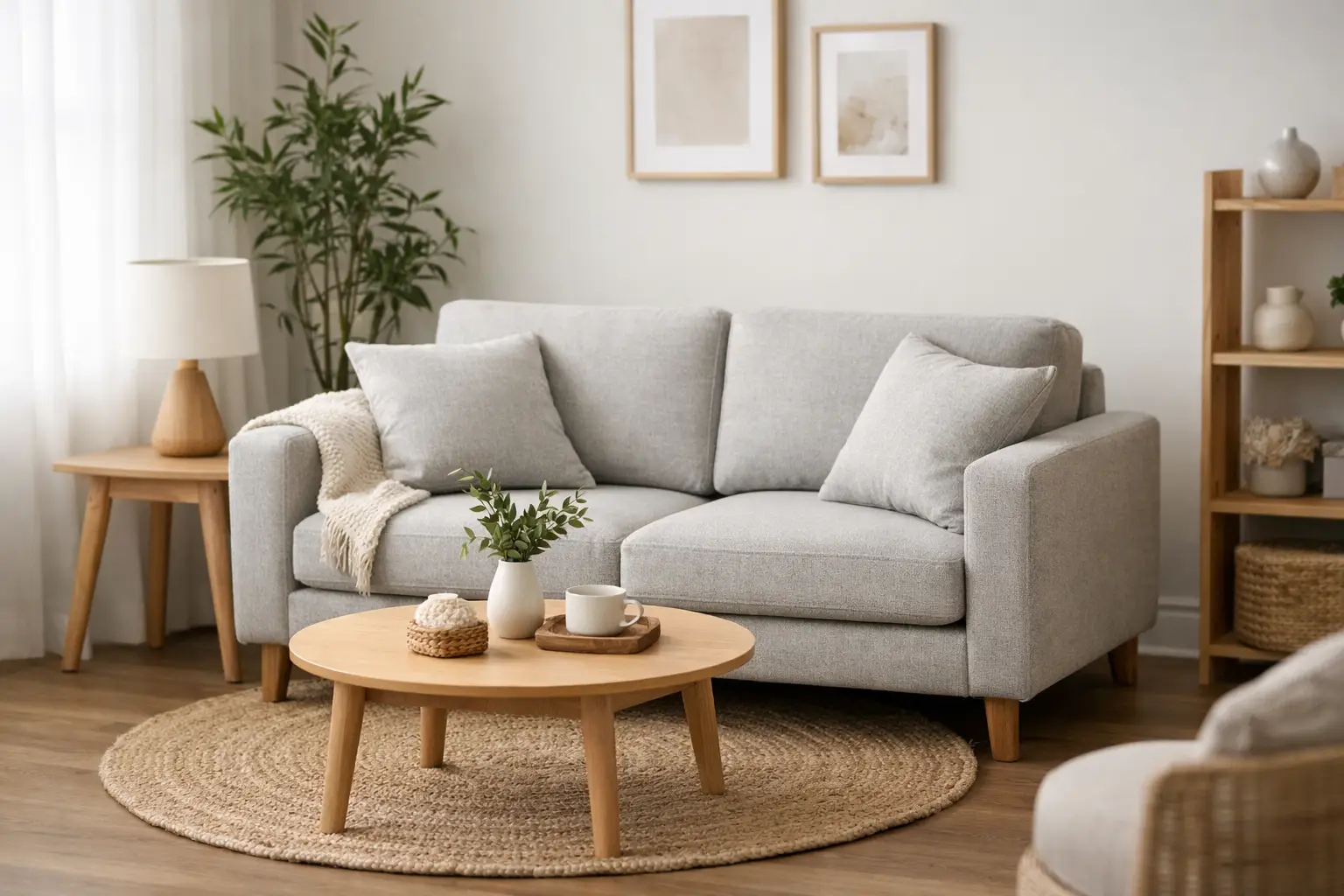
For most people, the sweet spot is a compact two- or three-seater with slim arms, moderate depth, raised legs, and durable upholstery. If you need more function, a small sectional or sofa bed can be the better fit, as long as the dimensions stay disciplined.
There is no single perfect sofa for every small living room. A couple furnishing a first apartment may prioritize flexibility and price. A growing family may need easy-clean fabric and more seats. A host who often has overnight guests may care more about convertibility than lounge depth.
The best choice is the one that leaves your room comfortable to live in, easy to move around, and ready for the way you actually use home. When a sofa gets that balance right, a small living room does not feel limited at all.