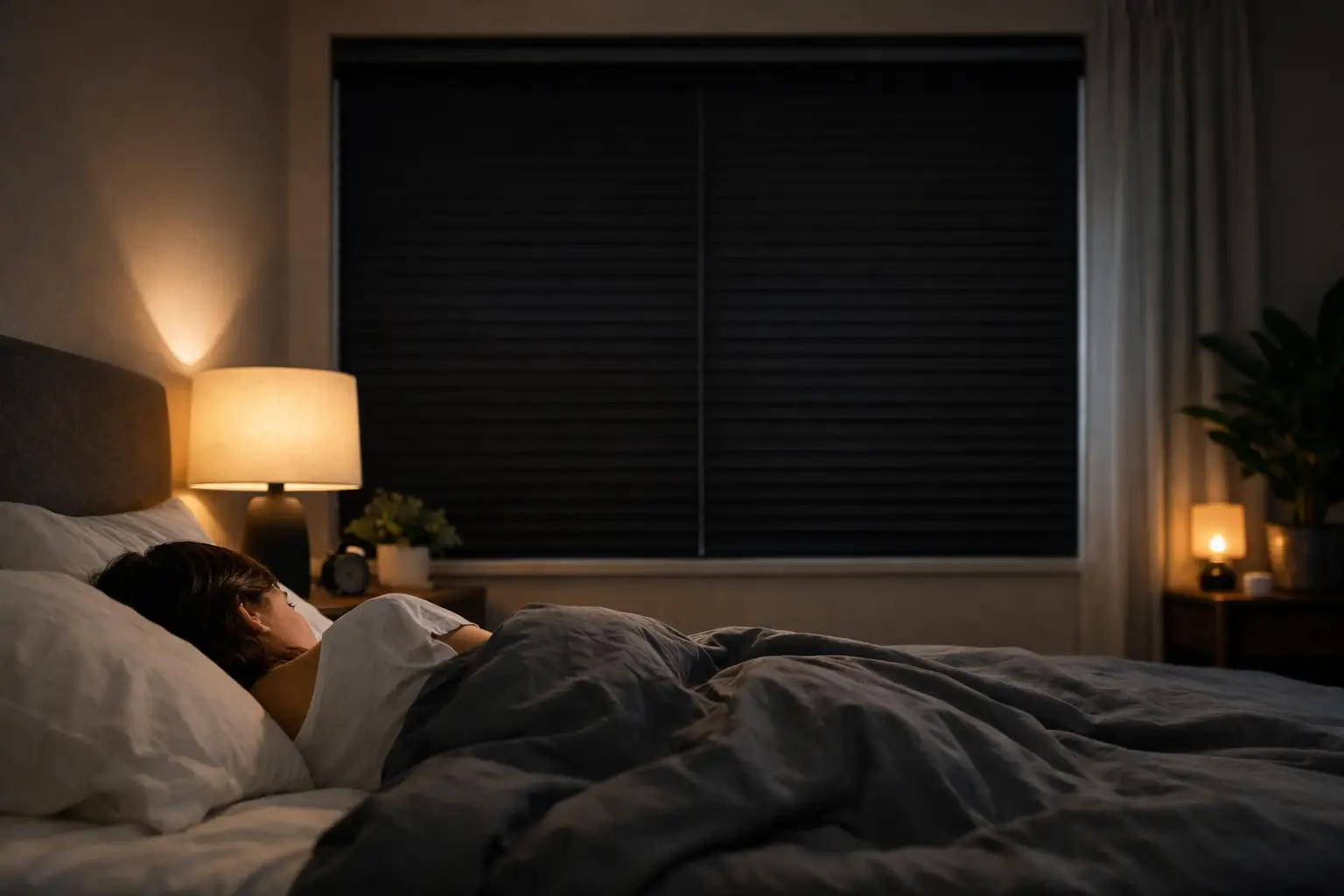
Streetlights, early sunrise, and glowing windows from the building next door can quietly wreck a good night’s rest. That is why blackout blinds for bedroom spaces are not just a style choice – they are a practical sleep upgrade for anyone who wants a darker, calmer room without turning the whole space into a cave.
For many homeowners, the real question is not whether blackout blinds work. They do. The better question is which type actually fits your room, your habits, and your budget. A couple furnishing a new condo may want a clean, modern look. A parent setting up a child’s room may care more about nap time and privacy. Someone working shifts may need serious light blocking at odd hours. The right answer depends on how you use the bedroom every day.
Why blackout blinds for bedroom use matter
Light control sounds simple until you live with the wrong window covering. Standard blinds can soften sunlight, but they often leave enough glow around the edges to interrupt sleep. That matters more than people think. Even small amounts of outdoor light can make a bedroom feel less restful, especially if your room faces morning sun or busy roads.
Blackout blinds are designed to reduce light much more effectively than regular light-filtering options. That can help support deeper sleep, easier afternoon naps, and a room that feels more private at night. In bedrooms, that combination is hard to beat.
There are other benefits too. A good blackout blind can help reduce glare on screens, protect flooring and furniture from harsh sunlight, and improve the overall comfort of the room. Some materials also add a bit of insulation, which can help the room feel less hot during sunny parts of the day. It is not the same as replacing your windows, but it does make a noticeable difference.
What blackout really means
One common mistake is assuming every product labeled blackout will give the same result. In practice, there is a difference between blackout fabric and total darkness in the room.
A blackout fabric blocks light through the material itself. That is excellent, but light can still leak through side gaps, especially with inside-mounted blinds. If you are highly sensitive to light, those gaps matter. If you simply want the room much darker than it is now, standard blackout blinds may already do the job well.
This is where expectations should be realistic. If your goal is hotel-level darkness at noon, the blind style, mount type, and window shape all matter just as much as the fabric.
Choosing the right style for your bedroom
Roller blackout blinds are one of the most popular choices for good reason. They look neat, take up very little visual space, and suit modern bedrooms well. They are especially useful in smaller rooms because they keep the window area looking clean rather than bulky. If you want something easy to operate and easy to coordinate with different bed frames, wardrobes, and wall colors, roller blinds are usually a safe bet.
Roman blackout blinds feel softer and more decorative. They bring in more texture and can make the bedroom feel warmer and more finished. That said, they usually look better in rooms where you want a more styled appearance rather than a very minimal one.
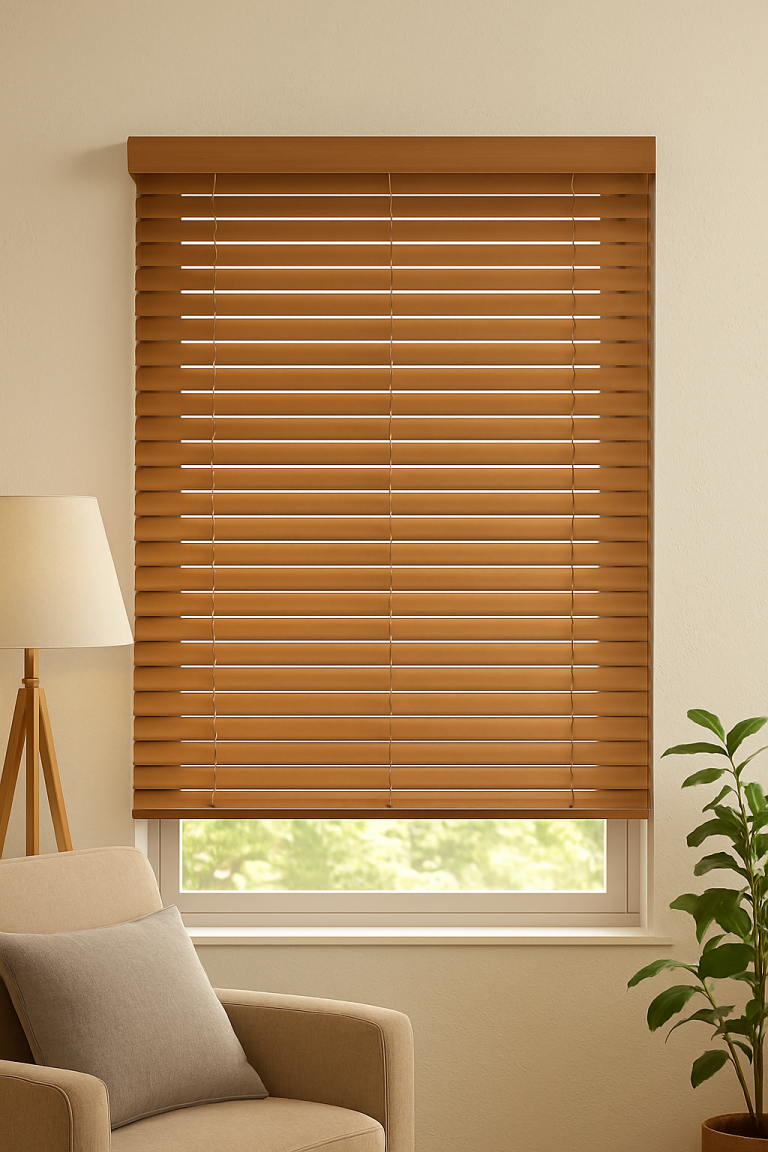
Venetian or zebra-style blinds are often chosen for flexible light control, but they are not always the best fit if full darkening is the priority. They can be useful in multi-use rooms, though, especially if the bedroom also functions as a study and you want adjustable daylight during working hours.
The fit matters more than most people expect
A blackout blind with poor measurement will never perform like it should. This is one of the biggest reasons people feel disappointed after buying window coverings online without enough guidance.
Inside-mount blinds sit within the window frame and look sleek, but they usually allow more edge light. Outside-mount blinds cover a wider area and often block more light because they extend beyond the frame. If sleep quality is your main goal, outside mount is often the better choice.
Window shape matters too. Wide windows, corner windows, and balcony-facing bedroom windows may need a more tailored approach. In compact urban homes, every inch counts, so you do not want a bulky solution that interferes with built-ins, dressing tables, or opening windows.
That is why practical advice matters. A blind should look good, but it also has to work with your actual room layout, not just the product photo.
Blackout blinds versus blackout curtains
This is where many homeowners pause. If both can darken a room, which should you choose?
Blackout blinds usually win on clean lines, low bulk, and ease of maintenance. They are ideal if you prefer a streamlined bedroom or if your space is tight. They also tend to suit contemporary homes especially well.
Blackout curtains can sometimes block edge light better, especially when they are wide and properly layered. They also soften the room visually and can help with acoustics. The trade-off is that they take up more space, collect more dust, and may feel heavier in small bedrooms.
For some rooms, the best setup is not either-or. Pairing blackout blinds with curtains can improve both function and style. You get the structure and light control of the blind, plus the softness and added coverage of curtains. It costs more, of course, but for main bedrooms and nurseries, many homeowners find it worth it.
What to consider before buying blackout blinds for bedroom spaces
Start with the room itself. Is it exposed to intense morning sun? Are there streetlights outside? Is the bedroom used by a light sleeper, a baby, or someone on rotating shifts? The more demanding the sleep needs, the more carefully the blind should be chosen.
Next, think about operation. A blind you use every day should feel smooth and reliable. If the window is behind a bed or in a hard-to-reach corner, motorized options may be worth considering. They cost more upfront, but they add convenience and can make daily use much easier.
Fabric color also matters, though not always in the way people expect. Many blackout blinds have a backing designed to block light well regardless of the front color. That means you do not always have to choose dark fabric to get good performance. Lighter tones can still work while keeping the bedroom feeling open and calm.
Then there is maintenance. Bedrooms should feel restful, not high-maintenance. Smooth, easy-clean materials often make more sense than heavily textured options, especially for households managing children, pets, or busy weekly routines.
Style should support sleep, not fight it
A blackout blind should not feel like a purely technical purchase. It is still part of your bedroom design. The best choices support sleep while blending naturally with the rest of the room.
If your bedroom has warm wood tones, upholstered furniture, and soft bedding, choose a blind color that feels consistent rather than stark. If the room is small, a simple neutral blind can reduce visual clutter. If the space already has strong patterns in wallpaper or bedding, the blind may be better kept understated.
This is where a one-stop furnishing approach helps. When you can view blinds as part of the full bedroom setup rather than as a separate add-on, it becomes easier to create a room that feels balanced, comfortable, and practical. At Catnap Lair, that kind of guidance matters because most homeowners are not just buying a blind – they are putting together a room they want to live in every day.
When blackout blinds are worth the investment
Not every bedroom needs the highest-spec blackout setup. If your room is naturally shaded and you sleep well already, a basic light-filtering solution might be enough. But if you regularly wake too early, struggle with daytime sleep, or want better privacy at night, blackout blinds are one of the more useful upgrades you can make.
They are especially worthwhile in nurseries, master bedrooms facing direct sun, guest rooms, and bedrooms in apartments where neighboring buildings create constant nighttime glow. In those situations, better window coverage can improve comfort quickly, without major renovation.
Price matters, of course. The goal is not simply to buy the most expensive blind. It is to choose the option that delivers the right level of darkness, durability, and ease for your room. Paying for features you will never use is not smart. Neither is choosing the cheapest option if it will frustrate you every morning.
A bedroom should help you rest, reset, and shut the day out for a while. If outside light keeps sneaking in and making that harder than it should be, blackout blinds are a practical fix that earns its place quietly, night after night.