A mattress can feel perfect for five minutes in a showroom and completely wrong after a week of sleeping on it. That is why the memory foam vs latex decision deserves more than a quick firmness test. These materials respond to your body differently, hold heat differently, and create very different sleep experiences – especially if you share a bed, sleep warm, or wake up with sore shoulders or hips.
Memory Foam vs Latex: The Core Difference
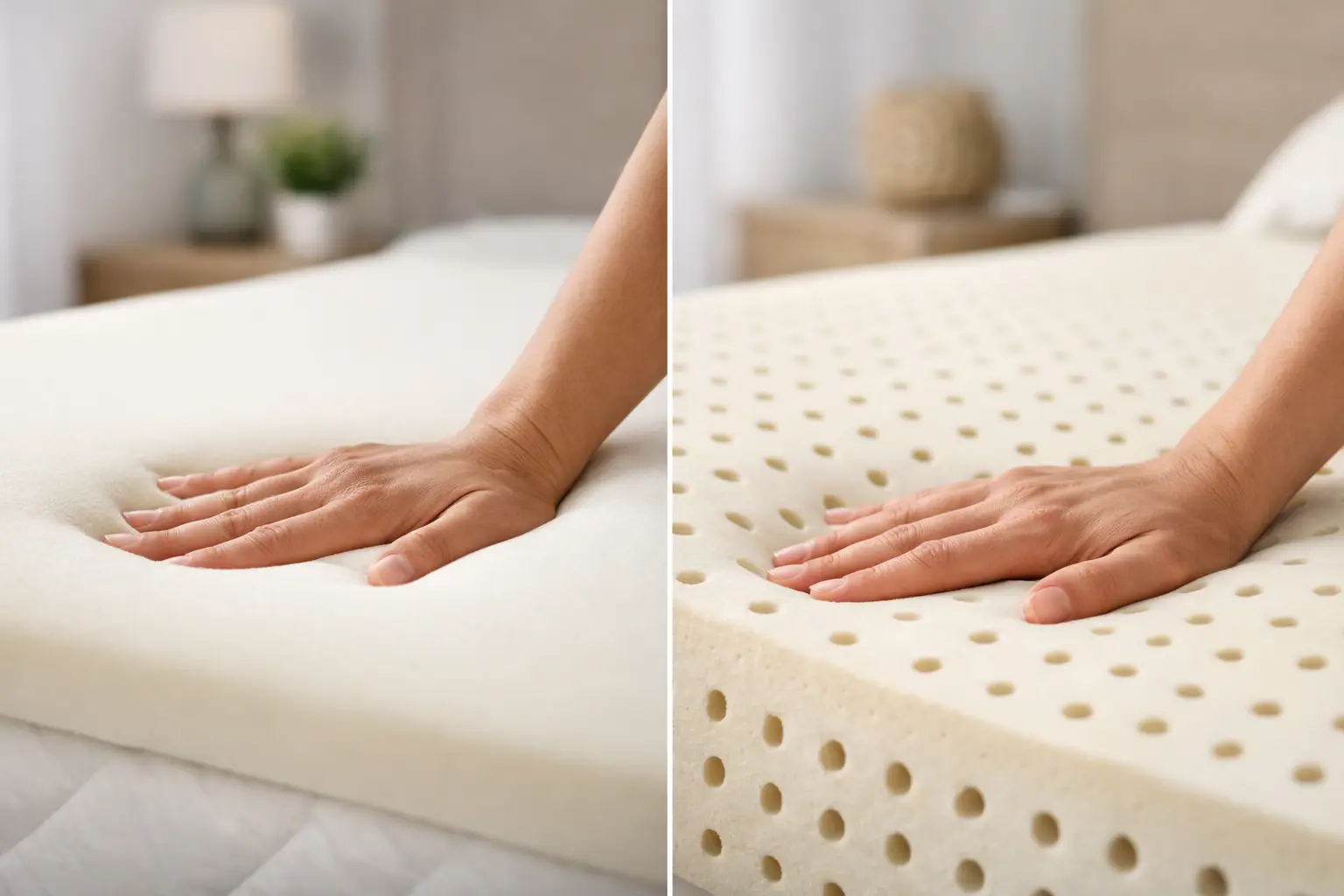
Memory foam is a slow-response material. It softens with body heat and pressure, then contours closely around your curves. When people describe a mattress as feeling like it “hugs” them, they are usually talking about memory foam. It is commonly used in all-foam mattresses and in comfort layers over a supportive spring base.
Latex has a quicker, more buoyant response. Instead of allowing you to sink deeply, it gently compresses and pushes back. You still get cushioning, but you tend to feel as though you are sleeping on the mattress rather than in it. Natural latex is made from rubber tree sap, while synthetic and blended latex options are also available.
Neither feel is automatically better. The right choice depends on how you sleep, what discomfort you are trying to solve, and whether temperature, motion transfer, edge support, or budget sits at the top of your list.
Choose Memory Foam for Deep Pressure Relief
Memory foam is popular for good reason: it is excellent at spreading body weight across the mattress surface. For side sleepers, that can mean less pressure building around the shoulder and hip. For sleepers with an active partner, memory foam can also reduce motion transfer. When one person gets up or changes position, the other is less likely to feel the movement travel across the bed.
This close contouring can be particularly comfortable if you prefer a plush, enveloping surface. A quality memory foam mattress should allow your shoulders and hips to settle in while keeping your spine in a neutral position. The goal is not to sink as far as possible. Too much sink can make it harder to change positions and may leave your lower back without enough support.
Memory foam also comes in a wide range of price points. It is often easier to find an affordable mattress with a soft, pressure-relieving feel in memory foam than in natural latex. For first-time homeowners balancing a full furnishing budget, that value can matter.
The trade-off is heat retention. Traditional memory foam can hold onto body heat because of its dense structure and close body contour. Many modern mattresses address this with gel infusions, open-cell foam, breathable covers, or hybrid construction with coils for better airflow. These features can help, but a naturally warm sleeper should still pay close attention to the mattress’s overall cooling design rather than assuming every foam bed sleeps the same.
Another consideration is responsiveness. If you frequently switch from your side to your back or stomach, slow-moving foam may feel slightly restrictive. Some people love the settled-in sensation; others feel stuck.
Choose Latex for Cooling and Easy Movement
Latex is often the better fit for sleepers who want cushioning without a deep sink. Its springy surface makes changing positions easier, which can be useful for combination sleepers and anyone who dislikes the “stuck” feeling of traditional memory foam.
Because latex has an open, aerated structure, it generally allows more airflow than dense memory foam. It also does not contour as tightly around the body, so less heat can build up at the surface. If you regularly wake up warm, latex may provide a more comfortable starting point – though the cover, mattress protector, room temperature, and bedding still affect how cool you sleep.
Latex is also known for durability. A well-made latex comfort layer can retain its shape and support for many years, making its higher upfront cost easier to justify for shoppers who plan to keep their mattress long term. Natural latex can appeal to buyers who prefer a material derived from renewable sources, although it is worth checking the product details. “Latex” does not always mean 100% natural latex.
The main drawback is that latex has a distinct feel. It is supportive and cushioned, but it does not deliver the deep body-cradling pressure relief that many side sleepers enjoy from memory foam. It can also transfer more movement than slow-response foam, although it usually performs better than traditional innerspring mattresses.
Firmness Matters as Much as Material
It is easy to frame this as a choice between two materials, but firmness and construction matter just as much. A medium-firm memory foam mattress can feel very different from a plush memory foam mattress. Likewise, a soft latex layer over pocketed coils can feel more forgiving than a firm all-latex design.
Your sleeping position offers a useful starting point. Side sleepers often do best with a medium to medium-soft comfort layer that cushions pressure points. Back sleepers commonly need medium-firm support to prevent the hips from dropping too low. Stomach sleepers usually need a firmer, flatter sleep surface that helps keep the pelvis aligned with the spine.
Body weight can also change the experience. A lighter sleeper may find a medium mattress firm because they do not sink in as deeply, while a heavier sleeper may need stronger support layers to avoid excessive compression. This is why an honest mattress consultation is more helpful than choosing a mattress based only on a product label.
Consider a Hybrid if You Want Both Benefits
You do not always have to choose an all-foam or all-latex mattress. Hybrid mattresses pair foam or latex comfort layers with individually wrapped coils. This construction can improve airflow, add edge support, and create a more responsive surface than an all-foam bed.
A memory foam hybrid can be a smart middle ground for couples. You get much of the pressure relief and motion isolation associated with foam, while the coil system adds support and ventilation. A latex hybrid tends to feel even more responsive and breathable, with a balanced mix of gentle cushioning and lift.
For many households, a hybrid is also practical because it works well across different sleeping preferences. One partner may want pressure relief for their shoulders, while the other wants more stable support and less heat. The best hybrid designs aim to meet in the middle without making either sleeper compromise too much.
What to Check Before You Buy
Do not judge a mattress by its top layer alone. Ask what sits underneath it. Support cores, coil quality, foam density, zoned support, edge reinforcement, and cover materials all influence how the mattress performs over time.
When comparing options, pay attention to these four practical questions:
- Does your lower back feel supported when you lie in your usual sleeping position?
- Do your shoulders and hips feel cushioned rather than pressed into the surface?
- Can you turn over comfortably without feeling trapped or pushed out of alignment?
- If you share the bed, does the mattress reduce movement and provide usable space near the edges?
Take your time when testing. Lie down for more than a few seconds, and try the positions you actually sleep in. If you and your partner have different needs, test together. A mattress is one of the few home purchases used every single day, so comfort should be based on real body support, not just a first impression.
For homeowners furnishing a compact bedroom, mattress height and bed-frame design matter too. A high-profile mattress may look luxurious, but it can make a storage bed harder to access or overwhelm a smaller room. A balanced setup should support good sleep while still fitting the way your home functions.
So, Is Memory Foam or Latex Better?
Memory foam is usually the stronger choice for sleepers who want close contouring, pressure relief, and minimal motion transfer. Latex is often better for sleepers who want a cooler, more responsive feel with lasting resilience. A hybrid can offer a practical compromise when you want the benefits of both comfort materials and the support of coils.
At Catnap Lair, the most useful mattress recommendation starts with how you sleep, not with a one-size-fits-all answer. Give your body enough time to test the feel, consider your partner’s needs, and choose the mattress that helps you wake up comfortable enough to enjoy the home you have worked hard to create.