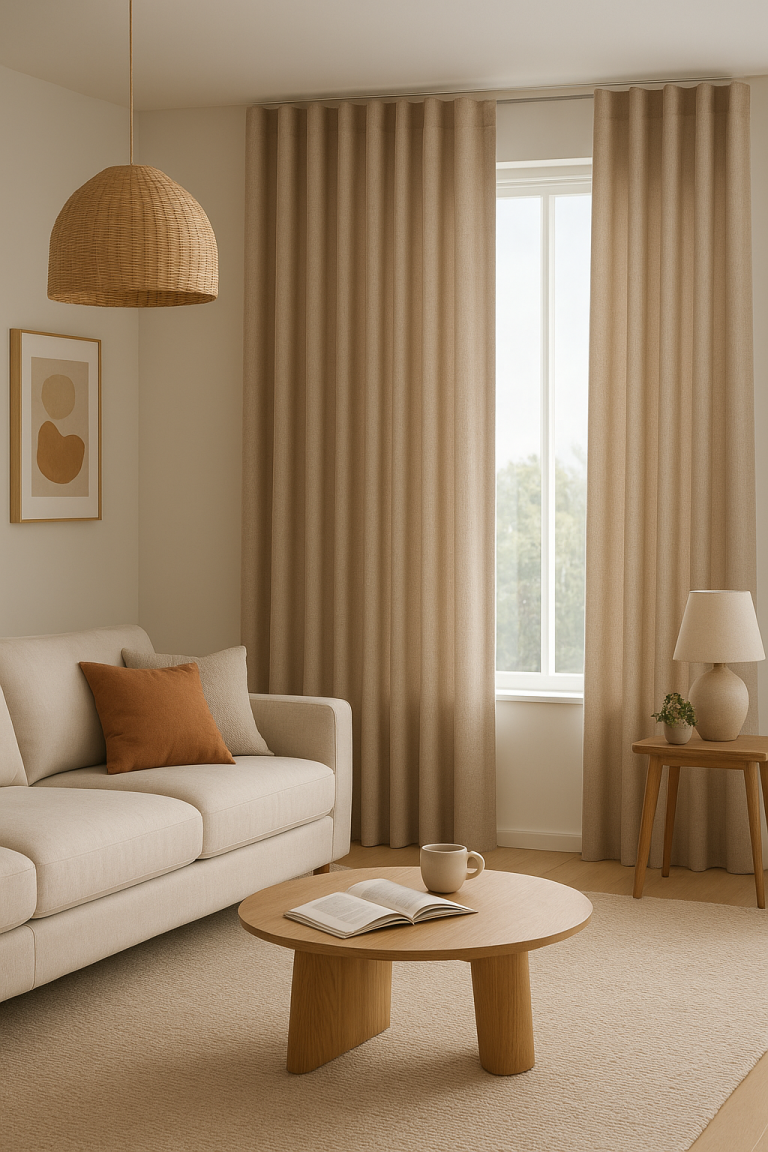

A bedroom can have the right mattress, bed frame, and storage, yet still feel too bright at 7 a.m. or too exposed after dark. The blinds or curtains bedroom decision is not just about matching your walls. It affects how well you sleep, how private the room feels, how much space the window area uses, and how much upkeep you are willing to manage.
For most homes, neither option is automatically better. Blinds suit people who want a neat, compact finish and more precise light control. Curtains bring softness, stronger room-darkening potential, and a more relaxed, hotel-like feel. The best choice comes down to your windows, sleep habits, layout, and the look you want around the bed.
Blinds or Curtains for Bedroom: Start With Sleep
If you are a light sleeper, window treatment should be treated as part of your sleep setup. Streetlights, early sunshine, and light from neighboring homes can interrupt rest even when the room otherwise feels comfortable.
Curtains, especially blackout curtains with a properly fitted track, are usually the stronger choice for blocking light. The fabric covers a wider area around the window, reducing the side gaps that allow light to leak in. This makes them a practical option for bedrooms facing the morning sun, rooms near common corridors, or households where different family members sleep at different hours.
Blinds can also provide effective dimming, but performance depends heavily on the style and fit. Roller blinds in blackout fabric create a clean, minimal appearance and work well for straightforward window shapes. However, some light may still enter at the sides unless the blind is fitted carefully. Venetian blinds offer flexible light adjustment, but their slats are less effective when you need a truly dark room.
For many homeowners, the most comfortable answer is layering: blinds for daytime privacy and adjustable light, paired with curtains for nighttime darkness and softness. It costs more than choosing one treatment, but it gives you the most control over a room you use every day.
When Blinds Make More Sense
Blinds are a smart fit when your bedroom is compact or the window sits close to furniture. Unlike curtains, they do not need fabric to stack along the sides of the window. That can be useful beside a wardrobe, a study desk, or a bed positioned near the wall.
Roller blinds are especially practical for a clean, contemporary bedroom. They sit close to the window, are easy to operate, and come in different openness levels. A sunscreen roller blind softens glare while preserving some daytime visibility. A blackout roller blind is more suitable when rest and privacy are the priority.
Venetian blinds are worth considering if you want to tilt the slats and control where daylight falls. You can let in gentle morning light without fully opening the window treatment. They work particularly well in bedrooms that need ventilation and privacy at the same time.
Combi blinds offer a middle ground. Their alternating sheer and opaque stripes let you adjust light without raising the entire blind, giving the room a polished look with convenient control. They can suit homeowners who prefer a tidy, modern finish but still want more flexibility than a standard roller blind provides.
Blinds are also generally easier to keep visually uncluttered. In a small bedroom with a storage bed, pullout bed, or built-in wardrobe, that simplicity can help the room feel more open. The trade-off is that hard surfaces and slats can collect dust, while some mechanisms need gentle handling to stay aligned and smooth.
When Curtains Are the Better Choice
Curtains do more than cover a window. They add warmth, texture, and height to a bedroom. A full-length curtain mounted near the ceiling can make a standard room feel taller, while soft fabric helps balance the clean lines of platform beds, floating beds, and modern wardrobes.
They are often the better choice if your bedroom feels echoey or bare. Fabric absorbs some sound and reduces the hard, sparse feeling that can come from tiled floors, plain walls, and minimal furnishings. Curtains also work well with textured wallpaper because they can complement the room without competing with the wall design.
Privacy is another reason to choose curtains. Thick, lined curtains create a strong visual barrier at night, particularly for bedrooms that face nearby blocks or shared outdoor spaces. For daytime use, sheer curtains can filter light while maintaining a sense of privacy. A double-layer setup with sheers and blackout drapes gives you a bright, soft look in the day and a cocooned sleeping environment at night.
The practical downside is bulk. Curtains need enough wall space for the fabric to stack when open. They can also get in the way around low windows, radiators, or furniture placed tightly beside the window. They require periodic washing or professional cleaning, depending on the fabric and lining.
Consider the Window, Not Just the Style
Before choosing blinds or curtains for a bedroom, look closely at the actual window area. Wide sliding windows are often easy to dress with curtains because the fabric can open broadly to one or both sides. Narrow windows may look better with roller or combi blinds, which keep the treatment proportionate.
Bay windows, unusual corners, and windows with limited side clearance may require more planning. Blinds can be measured to individual sections for a precise fit. Curtains can still work beautifully, but the track placement and fabric fullness need to be considered early, especially if you are furnishing a new home from scratch.
Also check how you use the window. If you open it frequently for fresh air, choose a treatment that is easy to move aside or raise. If the window is mostly for light and the view, a blind with adjustable filtering may be more convenient than opening and closing full curtains every day.
Match the Choice to Your Bedroom Design
The window treatment should support the rest of the room rather than become an afterthought. In a bedroom with a statement bed, patterned wallpaper, or bold headboard, plain roller blinds or neutral curtains prevent the space from looking overly busy. If the furniture is simple, curtains in a textured weave can add the missing layer of comfort.
Color matters, but it does not have to be complicated. Warm neutrals such as beige, taupe, soft gray, and oatmeal are easy to live with and work across changing bedding styles. Darker curtains can feel luxurious and improve room darkening, but they may make a compact room feel heavier. Lighter fabrics make the space feel airy, although they may not block as much light unless they are lined.
For a polished result, consider the curtain track or blind hardware as part of the design. A discreet ceiling-mounted track creates a clean, tailored look. A visible rod can introduce character, but it needs enough visual space to look intentional.
Budget, Cleaning, and Everyday Convenience
Budget should include more than the initial window covering. Custom measurements, tracks, installation, lining, and larger fabric quantities can all affect the final cost. Curtains may cost more for wide windows because of fabric volume, while blinds with specialized materials or custom shapes can also add up.
For cleaning, roller and combi blinds are usually quick to wipe or vacuum with a soft brush attachment. Venetian blinds take more attention because each slat needs dusting. Curtains require less frequent maintenance, but when they do need cleaning, the job is larger.
If you are furnishing several rooms at once, prioritize where performance matters most. Spend more on blackout and privacy in the main bedroom, then choose simpler treatments in guest rooms or areas where light control is less critical. Catnap Lair can help homeowners consider bedroom furnishings as a complete setup, so the bed, storage, wallpaper, and window treatment work together within a realistic budget.
A Practical Bedroom Window Checklist
Before you decide, think through four everyday questions:
- Do you need a room that stays dark for daytime naps, shift work, or light-sensitive sleep?
- Is your window beside furniture or in a compact room where curtain bulk may be inconvenient?
- Do you want filtered daylight and adjustable privacy, or a softer, more decorative look?
- Are you comfortable washing fabric panels, or would you prefer a wipe-clean option?
If darkness and softness are your priorities, choose lined blackout curtains. If space-saving, easy adjustment, and a modern look matter more, choose blinds. If you want the strongest all-around result and your budget allows, combine both.
A good bedroom should make it easier to switch off at night and wake up comfortably in the morning. Choose the window treatment that supports that routine, not simply the one that looks best in a showroom photo.