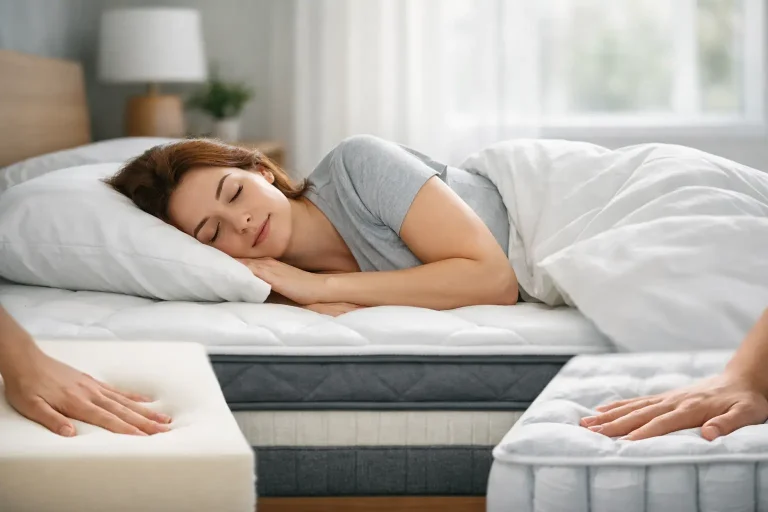
A mattress can feel cool for five minutes in a showroom and still sleep hot at 2 a.m. That gap is exactly why mattress cooling innovations 2026 deserve a closer look. The latest changes are not just about adding a cold-to-the-touch cover and calling it a day. They are about how the full mattress manages heat, humidity, airflow, and pressure through the night.
For most shoppers, especially couples, warm sleepers, and anyone living in a humid climate, cooling is no longer a bonus feature. It is part of comfort. A mattress that supports your back but traps heat can still leave you tossing around, kicking off the blanket, and waking up tired. The good news is that the industry is getting smarter. The less exciting news is that not every “cooling” claim means the same thing.
What mattress cooling innovations 2026 are really changing
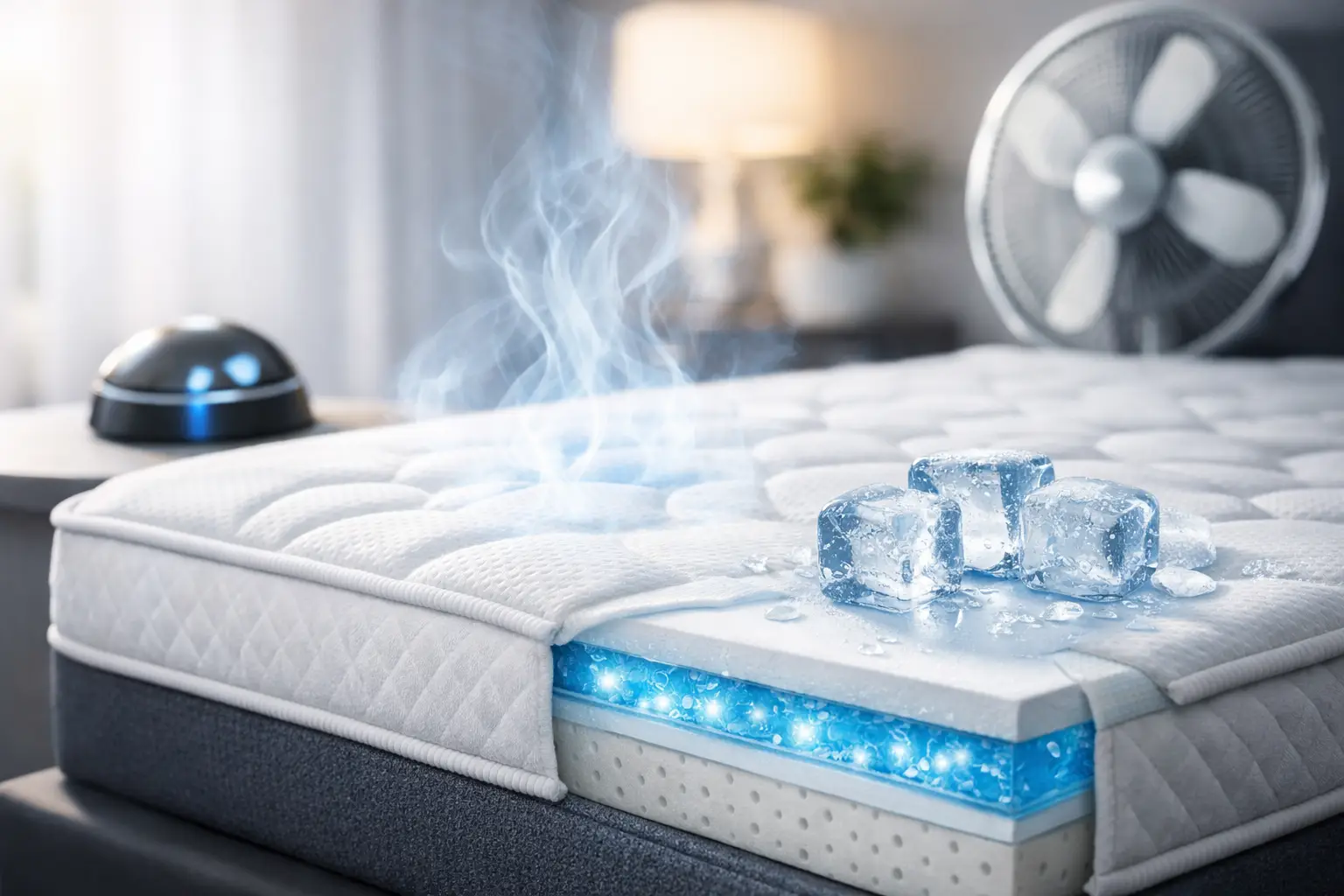
The biggest shift in 2026 is that cooling is being built into the mattress system, not just added to the surface. Earlier generations leaned heavily on gel-infused foams and covers with icy marketing language. Some of those materials helped briefly, but many could only absorb a limited amount of heat before warming up.
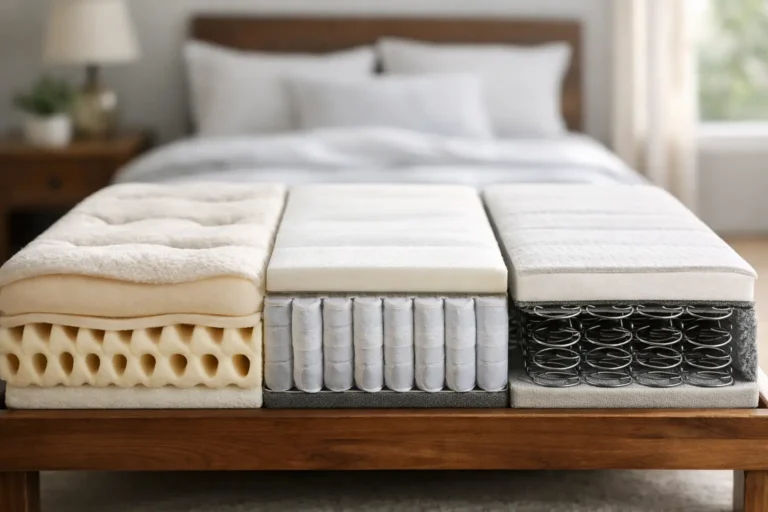
The better designs now focus on heat transfer and ventilation over time. That means brands are paying more attention to open-cell foam structures, airflow channels, phase change materials, breathable quilting, and spring systems that leave more space for air to move. Instead of one cooling trick, stronger mattresses combine several moderate solutions that work together.
This matters because sleeping cool is not only about temperature. Moisture plays a big role too. If a mattress holds humidity close to your body, it can feel warmer than the room actually is. That is why newer cooling models often pair breathable fabrics with internal structures that reduce heat buildup and help the sleep surface recover faster after pressure is removed.
Surface cooling vs deep cooling
A common mistake is judging a mattress by the first touch. Cool-touch covers can feel impressive right away because they pull heat from your skin quickly. That can be pleasant, especially when you first lie down. But if the layers underneath retain heat, that cool sensation fades.
Deep cooling is different. It is less dramatic at first, but more valuable over a full night. Mattresses with breathable support cores, responsive latex-like materials, or hybrid spring construction often do a better job of maintaining a more neutral sleep climate. In simple terms, surface cooling helps with first impression, while deep cooling helps with actual sleep.
The best option depends on the sleeper. If you mainly dislike the hot feeling when getting into bed, a cool-touch cover may be enough. If you regularly wake up overheated, you need more than a chilled fabric panel. You need airflow through the mattress, not just on top of it.
Smarter materials are replacing one-note cooling claims
One of the more useful developments in mattress cooling innovations 2026 is better material layering. Instead of stuffing a whole mattress with dense memory foam and trying to fix the heat issue later, manufacturers are using foams with larger cell structures, more perforation, and zoning that allows air to move where your body presses hardest.
Phase change materials are also becoming more refined. These materials absorb and release heat as your body temperature shifts. The real advantage is not that they keep the bed cold all night. Most do not. Their value is that they can smooth out temperature swings, especially during the first part of sleep when body heat and room conditions are still settling.
Natural and synthetic latex alternatives are also staying relevant because they tend to be more breathable and responsive than traditional memory foam. They do not hug the body in the same way, which means less heat can get trapped around the shoulders, hips, and lower back. For some sleepers, that feels fresher. For others, it feels less pressure-relieving. That trade-off is worth thinking about before you buy.
Hybrid mattresses are still leading for hot sleepers
If there is one category that continues to stand out, it is the hybrid mattress. A well-built hybrid combines comfort layers with a coil support system, and those coils create open space for airflow that all-foam beds simply cannot match as easily.
That does not mean every hybrid is automatically cooler. Thick foam above the coils can still hold heat, and some pillow tops reduce the airflow benefit. But overall, hybrids remain one of the most practical answers for people who want pressure relief without the warm, hugged-in feeling of dense foam.
This is also why many shoppers comparing brands like Dozi Mattress, Lady Americana Mattress, Maxcoil Mattress, Sleepy Night Mattress, and Fourstar Mattress should look beyond the cooling label and ask how the mattress is built from top to bottom. The support core, the density of the comfort layers, and the fabric used in the cover all influence whether a mattress feels comfortable after six hours, not just after six minutes.
Cooling now works together with support, not against it
A few years ago, some cooling mattresses solved one problem and created another. They felt airy but lacked proper pressure relief, or they used firmer materials that did not suit side sleepers. In 2026, the better designs are more balanced.
This is important for couples and homeowners furnishing a primary bedroom. You do not want to choose between a cool mattress and a supportive mattress. Zoned support, responsive comfort foams, and more stable edge construction are now being paired with breathable designs, so cooling does not come at the cost of alignment.
That said, there is still no one-size-fits-all answer. A lighter sleeper may do well on a breathable foam mattress with moderate contouring. A heavier sleeper or someone sharing a bed may benefit more from a hybrid that keeps the surface stable and allows better airflow. If you use a thick mattress protector, that can also reduce the benefit of premium cooling materials, so the full sleep setup matters.
Smart features are growing, but they are not essential for everyone
Some brands are pushing sensor-based temperature tracking, app-connected climate adjustment, and active cooling layers. These features are interesting, especially for shoppers who like sleep tech. They may appeal to people who already use wearables or adjust bedroom settings around sleep quality.
Still, most households do not need a mattress with advanced electronics to sleep cooler. Passive cooling remains the better value for many buyers because it is simpler, easier to maintain, and often more affordable. A well-designed breathable mattress with the right firmness and materials can outperform a flashy smart model if the fundamentals are stronger.
This is where practical buying advice matters more than trend chasing. If your room runs warm, your body sleeps hot, and your budget is sensible, prioritize construction first. Fancy features should come after that, not before.
How to shop cooling mattresses without falling for marketing
The simplest way to judge cooling is to ask a few direct questions. What materials are in the top comfort layers? Is the foam dense or open-cell? Does the mattress use coils for airflow? Is the cover just cool to the touch, or does the whole build support ventilation? Those answers reveal more than product tags ever will.
It also helps to think about your own sleep habits. If you sleep hot because your room lacks airflow, a cooling mattress helps, but bedding and room setup still matter. If your mattress feels warm because it sinks too much and traps your body, a firmer or more responsive model may solve more of the problem than any cooling yarn or gel infusion.
For compact urban homes, where bedrooms may not stay cool all day, this becomes even more relevant. A mattress that breathes well can make a noticeable difference in nightly comfort without requiring a complicated sleep system. That is one reason experienced retailers like Catnap Lair focus on helping customers compare real mattress builds rather than shopping by buzzwords alone.
What buyers should expect from mattress cooling innovations 2026
The realistic expectation is not an ice-cold bed. It is a mattress that stays more temperature-neutral, releases heat more efficiently, and feels less stuffy through the night. That may sound less dramatic than the ads, but it is actually the outcome most people want.
Cooling should also be considered alongside motion isolation, support, durability, and budget. A mattress that sleeps slightly cooler but wears out quickly is not a smart buy. Neither is an expensive model loaded with features you may never notice after the first week.
The strongest 2026 mattresses are the ones that treat cooling as part of overall sleep performance. They reduce heat buildup, support your body properly, and keep comfort consistent over time. That is what makes a cooling feature worth paying for.
If you are shopping this year, trust the mattress that explains how it works, not just how it feels for a moment. The right bed should help you settle in, stay comfortable, and stop thinking about temperature halfway through the night.