A small bedroom usually feels crowded for one simple reason: too many pieces are trying to do one job each. The best approach to how to furnish small bedrooms is not squeezing in more furniture. It is choosing fewer, smarter pieces that work harder, fit better, and leave enough open space for the room to breathe.
That matters even more when you are furnishing a first home, upgrading a condo bedroom, or setting up a compact guest room. In smaller homes, every inch has a cost. A bulky bed frame, oversized side table, or wardrobe with awkward swing clearance can make the room feel tighter than it really is. Get the core pieces right, and even a modest bedroom can feel comfortable, organized, and easy to live in.
How to furnish small bedrooms without wasting space
Start with the bed, because it will always be the biggest piece in the room. Many people make the mistake of choosing based on mattress size alone, then discovering the frame adds too much visual and physical bulk. In a compact room, a cleaner profile often works better than a thick, padded bed frame with wide edges.
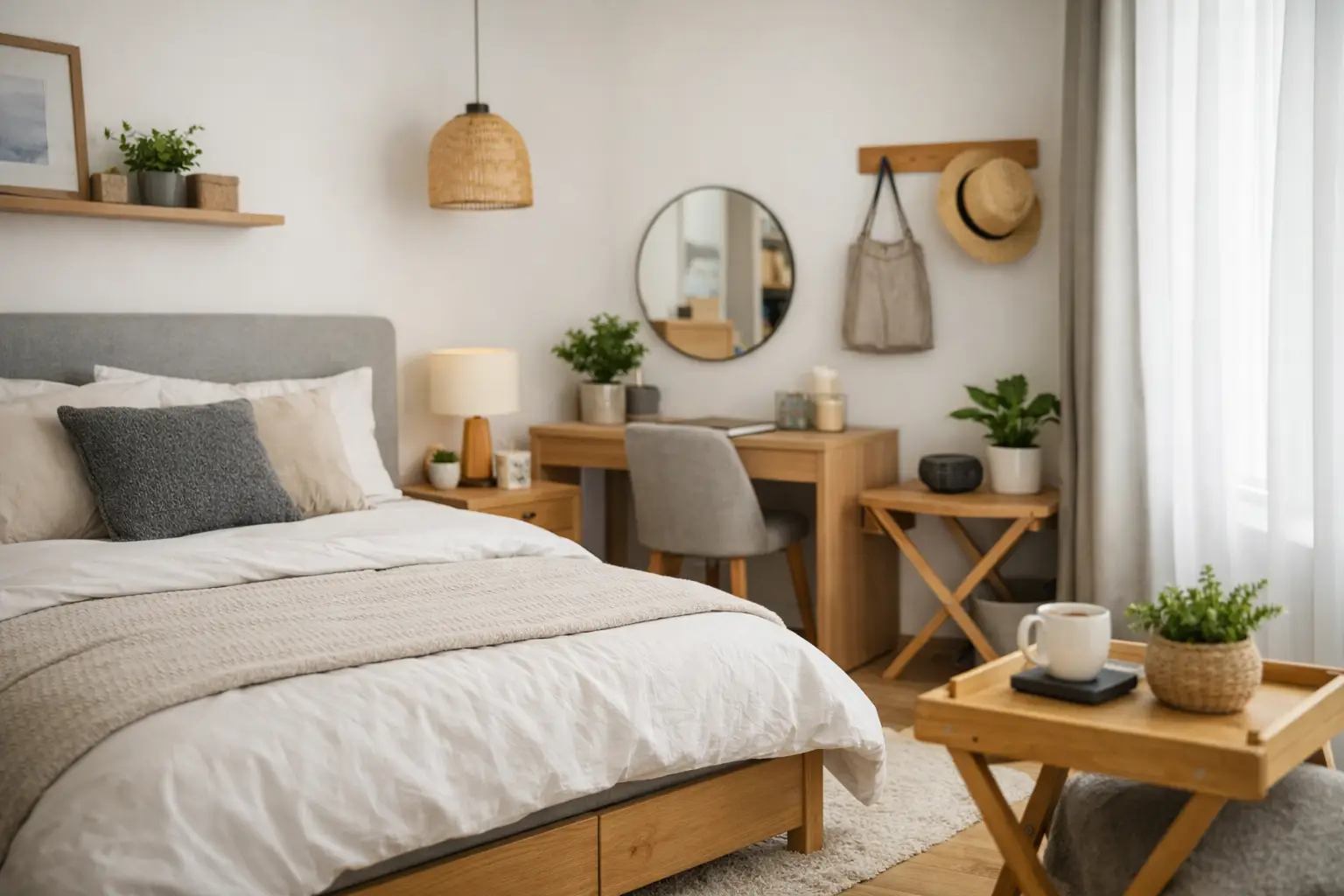
A platform bed can be a strong option when you want a neat footprint and a modern look. If storage is a concern, a storage bed or drawer bed often gives you more value than adding a separate chest or extra cabinets. That trade-off is worth considering carefully. Built-in storage under the bed can free up floor space, but you need enough room around the bed for drawers to open. If side clearance is tight, a lift-up storage bed may be more practical than side drawers.
This is also where many homeowners overspend on secondary furniture when the right bed frame would solve the problem from the start. In smaller bedrooms, the bed should not only support good sleep. It should reduce the need for extra pieces.
The mattress matters just as much. If your room is small, comfort becomes even more important because the bedroom needs to function as a true retreat, not just a place to crash. A mattress that feels supportive and temperature-comfortable can make a compact room feel more restful. Whether someone prefers a Dozi Mattress for balanced comfort, or is comparing options like Lady Americana, Maxcoil, Sleepy Night, or Fourstar, the goal is the same: choose a mattress that improves sleep quality so the bedroom does not need to compensate with extra comfort items, piles of pillows, or oversized accent furniture.
Plan the layout before you buy anything
One of the fastest ways to waste money is buying furniture piece by piece without measuring the full room. In small bedrooms, layout is not an afterthought. It is the plan.
Measure the wall lengths, window placement, door swing, wardrobe clearance, and walking paths. Then map out the bed first. After that, decide what the room absolutely needs. For some people, that means a wardrobe and one nightstand. For others, it means a bed with storage and a slim dressing surface. Not every small bedroom should have the same furniture checklist.
A common question is whether to push the bed against the wall. It depends on who is using the room. In a child’s room or guest room, it can make sense if it opens up valuable floor area. In a primary bedroom for two people, it usually creates daily inconvenience. Better to keep access on both sides if possible, even if that means choosing narrower side tables or wall-mounted lighting instead of full bedside lamps.
Think in terms of movement. The room should feel easy to enter, easy to clean, and easy to use at night. If you have to twist past corners or shuffle around drawer fronts, the layout is working against you.
Choose furniture that earns its footprint
In a bigger room, decorative furniture can have a place. In a small bedroom, every piece should justify why it is there.
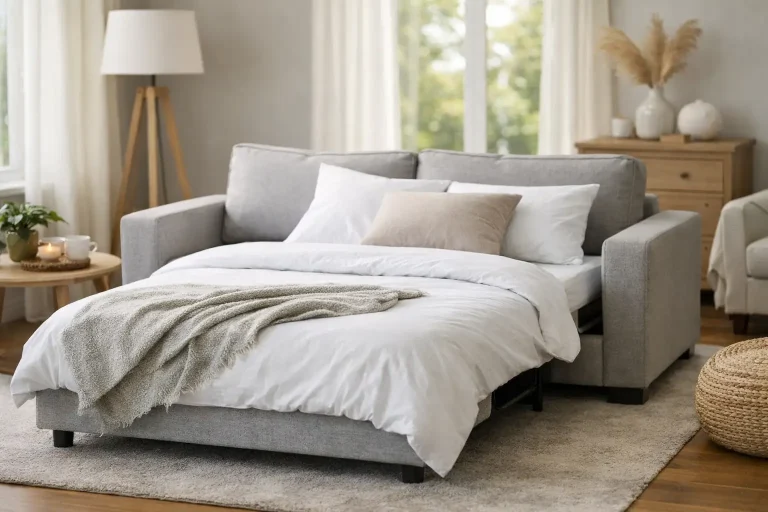
That is why multifunctional furniture tends to perform better than traditional matching sets. A storage bed can replace a separate storage bench. A pullout bed can turn a study or kids’ room into a more flexible sleeping space. A hidden wall bed can be ideal in rooms that need to switch between work, study, and rest. These solutions are especially useful in compact urban homes where one room may need to serve multiple purposes across the week.
Wardrobes need the same level of scrutiny. A huge wardrobe may sound practical, but if it blocks circulation or dominates the room visually, it can make the entire bedroom feel cramped. Sometimes a better answer is a wardrobe with more efficient internal organization rather than a larger external size. The point is not to buy the biggest piece that fits. It is to buy the smartest piece that functions well.
If you want a nightstand, keep it light and intentional. A slim profile table, small drawer unit, or even a wall-mounted shelf can be enough. In many small bedrooms, oversized nightstands are one of the least efficient uses of floor space.
Keep scale and visual weight under control
Two rooms can have the exact same dimensions and feel completely different based on furniture scale. This is where many bedrooms go wrong. People choose pieces that are technically usable but visually too heavy.
Low-profile bed frames often help the ceiling feel higher. Furniture with cleaner lines tends to read as less bulky. Legs that expose a little floor underneath can make a room feel more open, though that depends on your storage needs and cleaning preferences. Closed storage looks tidier. Raised furniture can feel lighter. There is no single correct answer.
Try not to crowd every wall. Leaving some breathing room is part of good furnishing. If one side of the room already has a wardrobe and bed, you may not need a tall cabinet on the opposite wall. Open wall space is not wasted space. It helps a small room feel balanced.
Color and surface choices also matter. Lighter tones can help a room feel airier, but dark furniture is not automatically a mistake. If you prefer darker wood or black accents, keep the forms simple and avoid pairing too many chunky pieces together. Visual weight builds fast in a small room.
Use soft furnishings to make the room feel bigger, not busier
Small bedrooms need softness, but not clutter. Curtains, blinds, wallpaper, and bedding should support the room, not compete with it.
Window treatments are a good example. Bulky layers can overwhelm a small room, while a well-fitted blind or curtain can keep the look clean. Roller blinds or combi blinds often suit compact bedrooms because they sit neatly and do not take up much visual space. Curtains can still work beautifully if the fabric and fullness are controlled.
Wallpaper can also shift the feel of a room, but restraint matters. A subtle textured wallpaper can add warmth without shrinking the room visually. Busy patterns, high-contrast prints, or too many feature elements can make a small bedroom feel restless. If the room already includes storage furniture, bedding, and window treatments, the wall finish should usually calm the space down rather than ask for more attention.
Bedding should do the same. Choose what feels comfortable and easy to maintain, but avoid piling on decorative layers just because the bed is the focal point. In a small room, an overstyled bed can quickly tip the whole space into looking crowded.
What to prioritize if your budget is limited
When budget matters, spend where function and daily comfort are highest. That usually means the mattress, the bed frame, and the storage solution.
A good mattress pays off every night. A bed frame that solves storage problems can eliminate future purchases. After that, add only what the room truly needs. It is often smarter to buy fewer better pieces than to fill the room quickly with cheap furniture that does not fit well or last.
This is where experienced guidance can help. For homeowners furnishing compact bedrooms, especially in space-conscious homes, practical advice on sizing, storage type, and layout can prevent expensive mistakes. Catnap Lair focuses heavily on these real-world decisions because the best furnishing plan is not about selling the most items. It is about helping each room work better.
The goal is comfort, not just capacity
When people think about how to furnish small bedrooms, they often focus only on what can fit. A better question is what will feel good to live with every day. That means enough storage to stay organized, enough clearance to move naturally, and enough comfort to make the room feel restful instead of tight.
If a piece saves space but makes the room awkward, it is not the right solution. If a slightly simpler setup gives you better flow, better sleep, and less visual stress, that is usually the smarter choice. A small bedroom does not need to do everything. It just needs to do the right things well.