A mattress can feel perfect in a showroom and still become the wrong choice once it takes over your bedroom. That is why this mattress size guide Singapore starts with the reality of local homes: bedrooms vary widely, storage matters, and a bigger bed is not always a better bed. The right size should give you comfortable sleep without making everyday movement, wardrobe access, or bed-making a daily struggle.
Mattress Size Guide Singapore: Standard Dimensions
These are the most common mattress sizes used in Singapore. Measurements can differ slightly between brands and collections, particularly for mattress height and extra-long models, so always confirm the exact product dimensions before ordering a bed frame or fitted sheets.
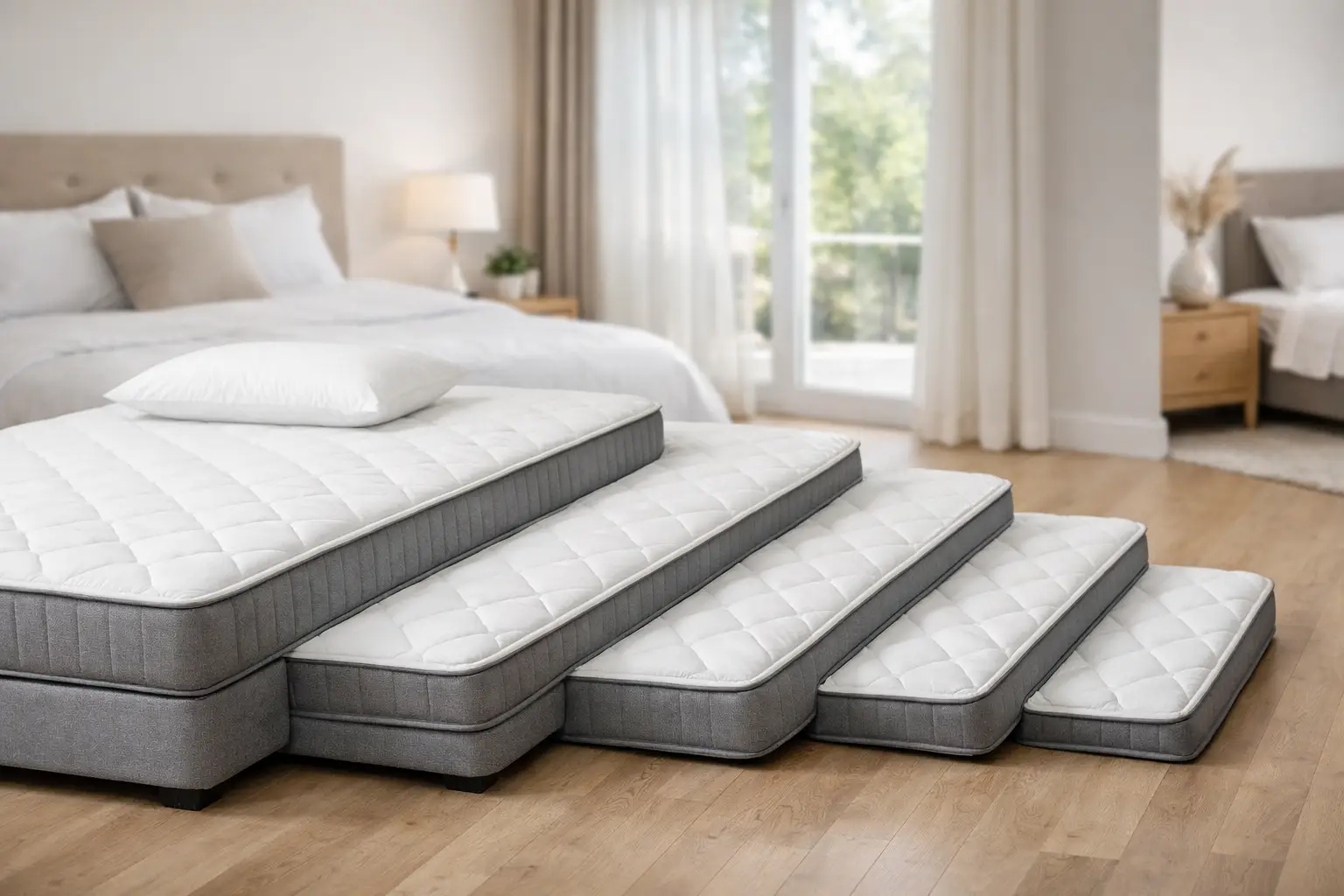
| Mattress size | Dimensions in cm | Best for | | — | — | — | | Single | 91 x 190 cm | Children, teens, solo sleepers, compact rooms | | Super Single | 107 x 190 cm | Solo adults who want more room, growing children | | Queen | 152 x 190 cm | Couples, guest rooms, most master bedrooms | | King | 183 x 190 cm | Couples who want maximum personal space |
A single mattress is 91 cm wide, while a super single adds 16 cm of valuable space. That may not sound dramatic on paper, but it can make a noticeable difference for a taller teenager, an active sleeper, or an adult who finds a standard single restrictive.
A queen is the practical default for many couples. It provides 76 cm of width per person, which is workable for most sleeping styles without demanding the same floor area as a king. A king gives each sleeper about 91.5 cm of space, similar to having a single bed each, but it needs a room layout that can support it.
Start With Your Room, Not Just Your Sleep Preference
The mattress size is only part of the footprint. A bed frame can extend beyond the mattress on every side, especially with upholstered headboards, storage bases, drawer beds, or thick side rails. Measure the full frame specification, not just the mattress label.
For comfortable movement, aim to leave roughly 24 to 30 inches of clear walking space on the sides and at the foot of the bed where possible. Smaller rooms may require compromise, but you should still be able to open wardrobes, pull out drawers, and change sheets without climbing across the mattress.
Before deciding, mark the proposed bed size on the floor with masking tape or newspaper. Include bedside tables, door swing, wardrobe doors, and any study desk. This simple step often reveals whether a king bed is truly suitable or whether a queen bed will make the room feel calmer and more functional.
Do not forget the delivery route
Condominium and apartment living adds another consideration: getting the bed into the home. Most mattresses can be maneuvered through standard access points, but oversized bed frames, tall headboards, and bulky storage components may need more planning. Check lift size, hallway turns, and bedroom door clearance before choosing a large frame.
Which Mattress Size Fits Your Household?
Single: efficient for children and smaller rooms
A single mattress is a sensible choice for a child’s bedroom, a compact guest room, or a room that needs to fit a desk and wardrobe. It also works well with a pullout bed, bunk bed, or hidden wall bed when a space needs to do more than one job.
The trade-off is longevity. A younger child may be perfectly comfortable on a single, but a tall teen or adult could outgrow its width quickly. If the room allows, a super single can reduce the need for an early upgrade.
Super Single: the often-overlooked sweet spot
For solo sleepers, the super single is one of the most practical choices in Singapore homes. It provides noticeably more turning room than a single while keeping the bedroom more open than a queen.
It is especially useful for teens, young adults, and guest rooms used by one person at a time. Parents furnishing a child’s room may also appreciate that a super single offers more growing room without forcing a full-size couple’s bed into a compact layout.
Queen: the balanced choice for most couples
A queen mattress suits many first homes because it balances sleep space and room usability. It is wide enough for two adults, easier to dress with readily available bedding, and generally more compatible with typical master bedroom layouts than a king.
Choose a queen if you and your partner sleep relatively close, your room also needs a dresser or work corner, or you want the flexibility to use a storage bed. For many households, it is the size that delivers the best day-to-day value.
King: generous comfort, bigger space commitment
A king mattress is ideal when both sleepers value personal space, one partner moves frequently at night, or young children occasionally join the bed. It can make sleep feel far less interrupted for couples with different schedules or sleeping habits.
However, a king is not automatically the premium choice. In a narrow room, it can leave too little circulation space and make the entire bedroom feel bed-first. It also requires larger bedding and may limit your choice of storage solutions, depending on drawer clearance. Choose it because your room and sleep habits support it, not simply because it is the largest option.
Match Mattress Size to Your Bed Frame
A bed frame should support both your sleep needs and your storage plan. A platform bed gives a clean, low-profile look and can make a room feel less crowded. A floating bed creates visual openness, though its actual dimensions still need to be measured carefully.
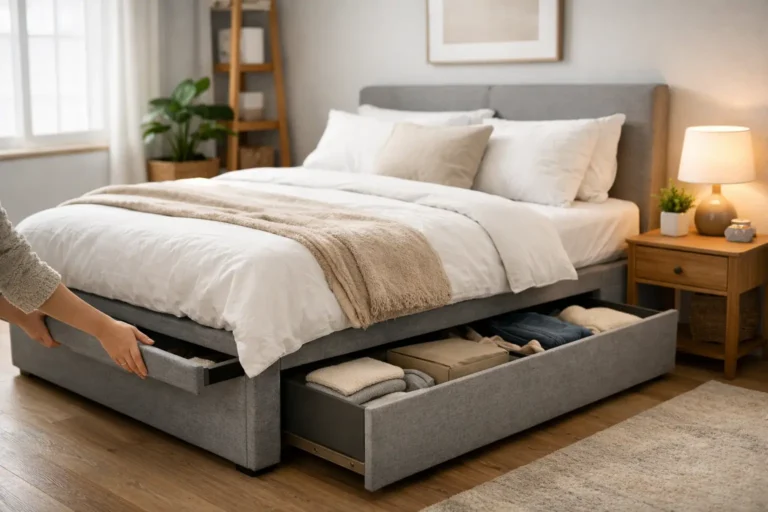
Storage beds are popular for good reason, particularly when closet space is limited. Lift-up storage designs make use of the area beneath the mattress, while drawer beds offer easier daily access to linens and seasonal items. The key difference is clearance: drawers need room to extend, so they may not suit a tight room where a wardrobe or wall sits close beside the bed.
For a child’s room or a multifunctional guest room, a pullout bed or bunk bed can create extra sleeping capacity without permanently using the floor space of two beds. If the room has a very specific layout challenge, a hidden wall bed may be worth considering. The best option depends on how the room is used on ordinary days, not just when guests visit.
Mattress Height Matters More Than You Expect
Width and length get most of the attention, but mattress height affects comfort and appearance too. A thick mattress on a tall storage base can create a bed that is awkward to sit on, especially for children, older adults, or anyone with knee discomfort.
As a general guide, sit on the edge of the completed bed. Your feet should rest comfortably on the floor and your knees should be close to a right angle. Consider the combined height of the bed frame, mattress, and topper if you plan to use one.
Height also affects fitted sheets and headboard proportions. Deep-pocket sheets may be necessary for thicker mattresses, while a low headboard can look undersized when paired with a very tall sleep set.
Size Should Work With Support and Comfort
A larger mattress will not compensate for the wrong feel. Once you have narrowed down the size, consider support, firmness, cooling materials, and motion transfer. A couple sharing a queen may prioritize motion isolation, while a solo sleeper on a super single may focus more on pressure relief or a cooler surface feel.
If you share a bed and have different comfort preferences, take time to test mattresses together. One person may prefer a firmer, more supportive feel, while the other needs more cushioning at the shoulders and hips. Honest advice is more useful than choosing based on a label alone. At Catnap Lair, the goal is to help homeowners match their room, bed frame, and mattress comfort needs without paying unnecessary middleman markups.
A well-chosen mattress should make the room easier to live in and the night easier to sleep through. Measure carefully, think about how the bedroom functions beyond bedtime, and choose the size you will still appreciate after the novelty of a bigger bed has worn off.