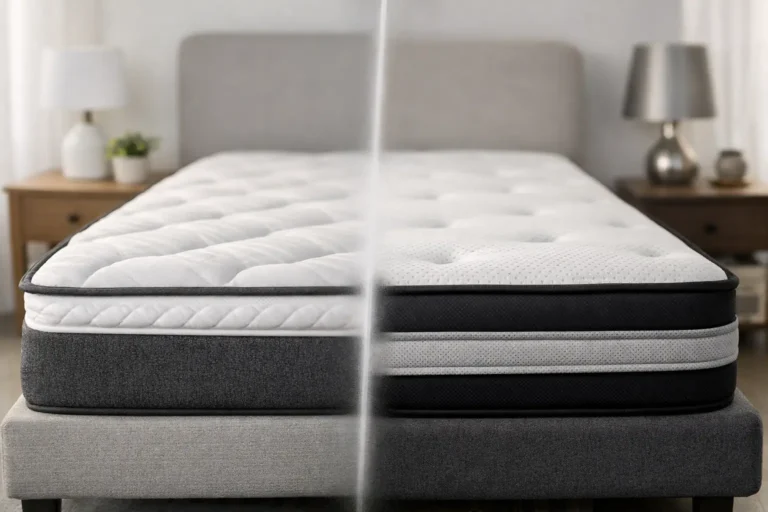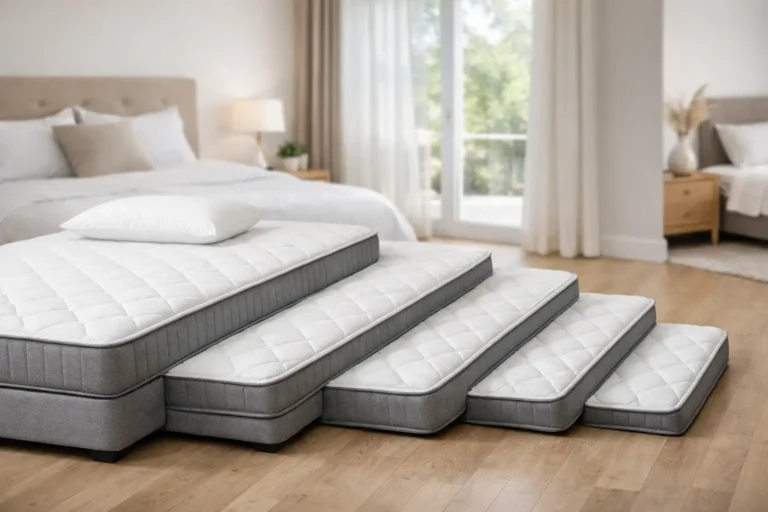
A mattress can look almost identical online yet feel completely different after a week of sleep. One may relieve pressure at your shoulders, while another leaves you waking up stiff. One may feel cool and supportive at first, but lose its shape far sooner than expected.
That is why learning how to compare mattress brands is less about finding the biggest discount and more about understanding what is behind the label. The right choice should suit your body, sleeping habits, bedroom setup, and budget for years, not just feel comfortable for five minutes in a showroom.
How to Compare Mattress Brands Beyond the Price Tag
Price matters, especially when you are furnishing an entire home. But a lower price does not automatically mean better value, and a higher price does not always guarantee a better night’s sleep. Compare brands based on the mattress you are actually getting, including its construction, materials, support system, trial terms, and after-sales support.
Start by comparing mattresses in the same category. A basic foam mattress should not be judged against a premium pocketed spring hybrid simply because both are listed as queen size. Likewise, a branded mattress with a longer warranty, stronger edge support, and higher-density comfort layers may cost more upfront but offer better long-term value.
Be cautious with broad claims such as “hotel comfort,” “orthopedic,” or “premium cooling.” These terms can be useful starting points, but they do not tell you enough on their own. Ask what creates the comfort: Is it a pocketed coil system, high-density foam, natural latex, gel-infused memory foam, or a combination of layers?
Compare the support system first
The support core does much of the work of keeping your spine in a comfortable, neutral position. Brands may use different names for similar systems, so focus on how the mattress is built rather than marketing language alone.
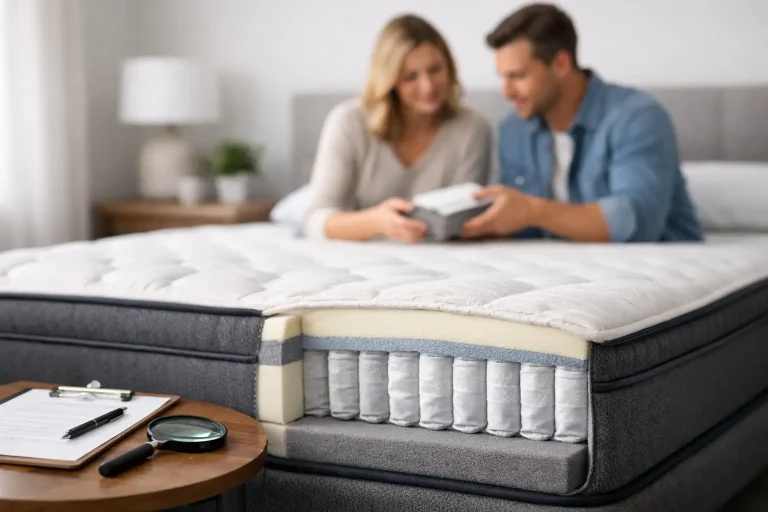
Pocketed spring mattresses are popular for couples because individual coils respond independently. This can reduce motion transfer when one person changes position or gets out of bed. They also tend to provide a more familiar, buoyant feel than all-foam mattresses. The number of coils can be relevant, but it is not the only measure of quality. Coil gauge, zoning, coil height, and the surrounding comfort layers all affect the final feel.
Foam mattresses can offer close body contouring and strong pressure relief, particularly for side sleepers. However, foam quality varies significantly. Lower-density foam can soften quickly, while better-quality foams are usually more durable and supportive. If you sleep warm, look for a clear explanation of the cooling features rather than assuming every gel foam mattress will sleep cool.
Latex mattresses are often responsive, breathable, and durable, with a gently springy feel. They can be a good fit for sleepers who dislike the sinking sensation of traditional memory foam. The trade-off is that latex can feel firmer and may come at a higher price point.
Hybrid mattresses combine coils with foam, latex, or both. They are worth comparing if you want a balance of contouring comfort, airflow, and support. Still, “hybrid” is a broad category. Check the thickness and quality of every layer, not just the word on the product page.
Match firmness to your body and sleep position
Firmness is personal. A medium mattress for one person can feel firm to another, depending on body weight, sleep position, and personal preference. Do not choose based only on a brand’s firmness scale, because a 6 out of 10 from one manufacturer may feel different from a 6 out of 10 from another.
Side sleepers often need more cushioning at the shoulders and hips to reduce pressure buildup. Back sleepers usually need a balanced medium to medium-firm feel that supports the lower back without pushing the hips upward. Stomach sleepers often prefer firmer support to prevent the midsection from dipping too deeply.
Couples with different preferences have a more complicated decision. A medium-firm hybrid is often a practical middle ground, especially if it offers good motion isolation. If the difference is substantial, consider brands that offer split options or mattresses with better pressure-relieving comfort layers over a supportive core.
Your existing bed frame also plays a role. A mattress designed to work on a flat, supportive surface may not perform as intended on widely spaced slats or a worn-out foundation. When comparing brands, check the recommended base and make sure it suits your platform bed, storage bed, drawer bed, or adjustable setup.
Check the Materials That Affect Comfort and Durability
A mattress cover may feel soft in the showroom, but the internal materials decide how well it will hold up. Look for clear product information instead of vague descriptions.
For foam, ask about density and whether the brand identifies the type of foam used. For springs, look for information on pocketed coils, zoning, and edge support. For latex, find out whether it is natural, synthetic, or blended. None of these choices is automatically best for everyone, but transparency is a strong sign that a brand stands behind its construction.
Cooling claims deserve extra attention. Breathable covers, open-cell foams, ventilated latex, and pocketed coil systems can all help with airflow. However, a cooling fabric alone may not overcome a mattress that retains too much heat in its deeper layers. If you tend to sleep hot, compare the entire mattress design and consider your room temperature, bedding, and protector as part of the equation.
Edge support is another feature that is easy to overlook. Stronger edges make it easier to sit on the side of the bed and use the full sleeping surface. This is particularly valuable for couples sharing a queen or king mattress, older adults who need stability when getting up, and compact bedrooms where every inch of bed space counts.
Read the Warranty, Trial, and Delivery Details Carefully
A long warranty sounds reassuring, but the details matter more than the number of years. Read what is covered, what qualifies as a defect, and whether there are exclusions for normal softening, stains, improper foundations, or transportation costs.
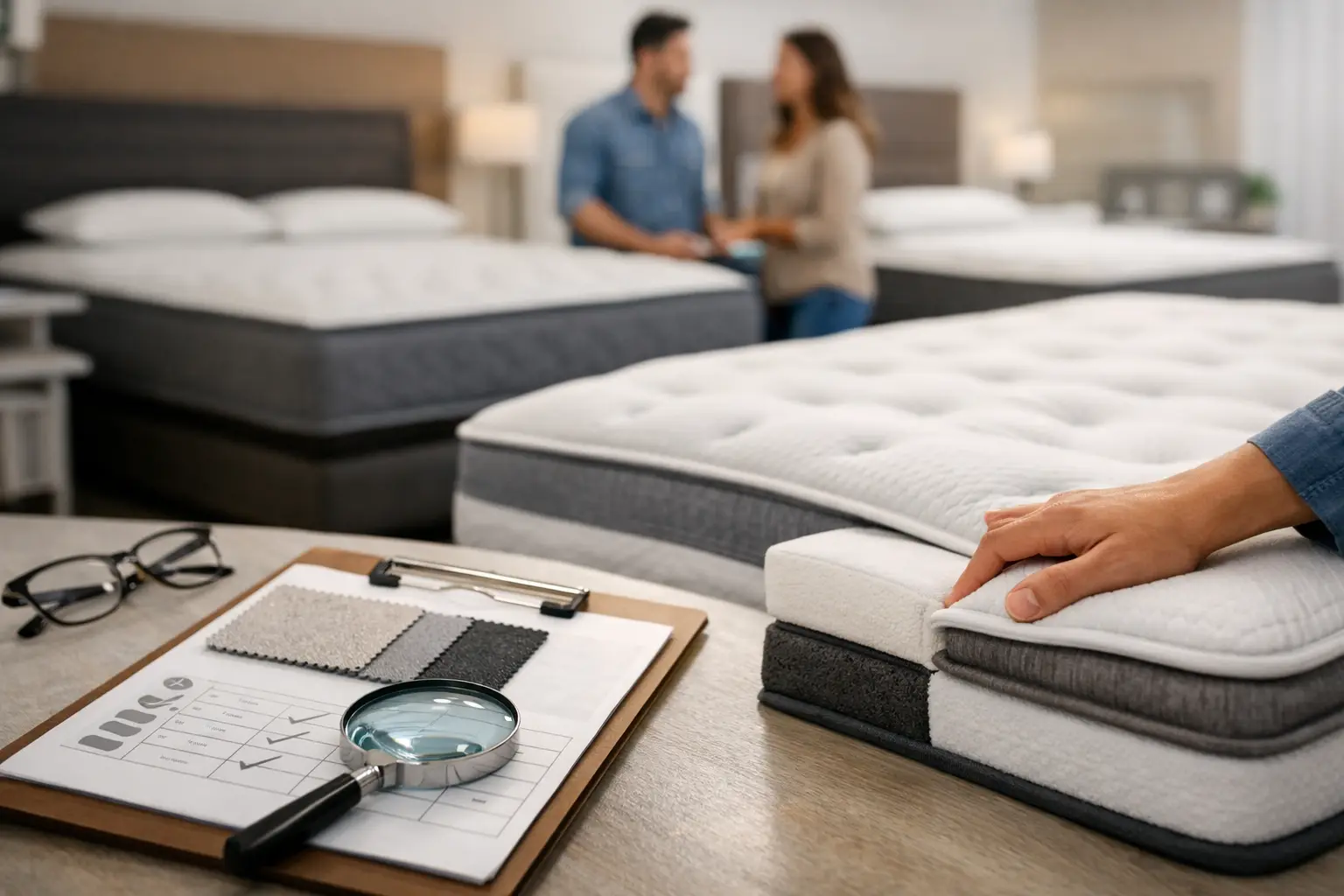
Also look at the brand’s trial or exchange policy. Some brands offer a home trial, while others allow exchanges under specific conditions. A showroom test is still useful because it lets you compare feel, height, and motion response in person. Spend at least 10 to 15 minutes lying in your usual sleeping position rather than sitting on the edge and making a quick decision.
Delivery service can make a real difference when moving into a new home. Confirm whether delivery includes placement in the bedroom, removal of packaging, old mattress disposal, or stair-access requirements. A mattress is a major purchase, and the experience should not become stressful at the final step.
Compare the Total Cost, Not Just the Sale Price
When comparing quotes, make sure every cost is included. A lower listed price may not include delivery, installation, a bed base requirement, or a mattress protector needed to maintain warranty coverage. On the other hand, a package deal that includes a bed frame and mattress may be worthwhile if both pieces genuinely fit your needs.
Installment options can also help you manage a larger furnishing budget. Interest-free plans are useful when they are clear, simple, and do not pressure you into buying a more expensive mattress than you need. Set a comfortable monthly amount first, then compare the full purchase price and terms.
At Catnap Lair, homeowners can compare recognized mattress options such as Dozi, Lady Americana, Maxcoil, Sleepy Night, and Fourstar with guidance based on comfort preferences, room needs, and budget. The goal is not to push every sleeper toward the same model. It is to help you identify the construction and feel that make sense for your home.
Use Reviews Wisely, Then Trust Your Own Body
Customer reviews can reveal patterns that product specifications cannot. Look for recurring comments about heat retention, sagging, motion transfer, firmness accuracy, delivery experience, and customer service. A few negative reviews are normal. What matters is whether the same concern appears repeatedly and how the company responds.
Pay attention to reviewers with a similar body type, sleep style, or concern. A lightweight side sleeper and a heavier stomach sleeper may have completely different experiences with the same mattress. Reviews are helpful evidence, not a substitute for trying the mattress or asking informed questions.
The best mattress brand is not necessarily the most advertised or the most expensive. It is the one that gives you clear information, dependable support, fair terms, and a mattress that feels right after real consideration. Take your time, compare like for like, and choose the bed you will be glad to come home to each night.