
A sofa can look perfectly proportioned on a product page, then arrive and make a living room feel like a narrow hallway. That is the real challenge of figuring out how to buy sofa online: you are making a major comfort, style, and space decision without sitting on it first. The good news is that a few careful checks can remove most of the guesswork.
A good online sofa purchase is not about choosing the most photogenic design. It is about matching the sofa to your room, your daily routines, and the people who will use it. Start with the practical details, then compare comfort and materials with a clear idea of what matters most to your household.
Start With Your Room, Not the Sofa
Before browsing colors or scrolling through sale prices, measure the room. Measure the wall where the sofa will sit, but also map out how it will affect movement through the space. A sofa needs breathing room around it. If it blocks a walkway, crowds a dining area, or prevents a door from opening fully, a great deal will not feel like one.
Use painter’s tape or sheets of newspaper to mark the sofa’s footprint on the floor. This simple step makes the scale more real than any online room photo. Include the depth, not just the width. Deep-seat sofas can be exceptionally comfortable for lounging, but they may take up more valuable floor space in a compact apartment or family room.
You should also measure the route into your home. Check your elevator, stairwell, hallway, doorway, and any tight turns. The sofa’s overall size is only part of the story. A large sectional may fit your living room but be impossible to bring inside unless it arrives in separate modules.
Keep these four measurements with you while shopping:
- Maximum sofa width for the intended wall
- Comfortable sofa depth for the room and walkways
- Door, elevator, and hallway clearance
- Seat height and depth that suit the people using it most
Seat height matters more than many buyers expect. A lower, lounge-style sofa may look modern, but it can be less comfortable for older family members or anyone who prefers an easier sit-to-stand position. Seat depth is equally personal. Taller people often enjoy a deeper seat, while petite users may prefer a shallower design that supports their back without requiring extra cushions.
How to Buy a Sofa Online by Reading Dimensions
Product dimensions are more useful when you know what each one means. Overall width tells you the sofa’s wall-to-wall size, while seat width tells you how much actual sitting space is available. A sofa with thick arms can look wide but offer less room for three people than expected.
Look for overall depth, seat depth, back height, arm height, and leg height. High legs create a lighter visual effect and make floor cleaning easier. Low, block-style bases can feel grounded and contemporary, but they may make a small room appear heavier. If you use a robot vacuum, clearance under the sofa is not a small detail.
For a sectional, confirm the chaise orientation from the perspective stated on the product page. “Left-facing” can mean left when you face the sofa or left when you sit on it, depending on the retailer’s convention. Look for a diagram, and do not rely on the lifestyle photo alone.
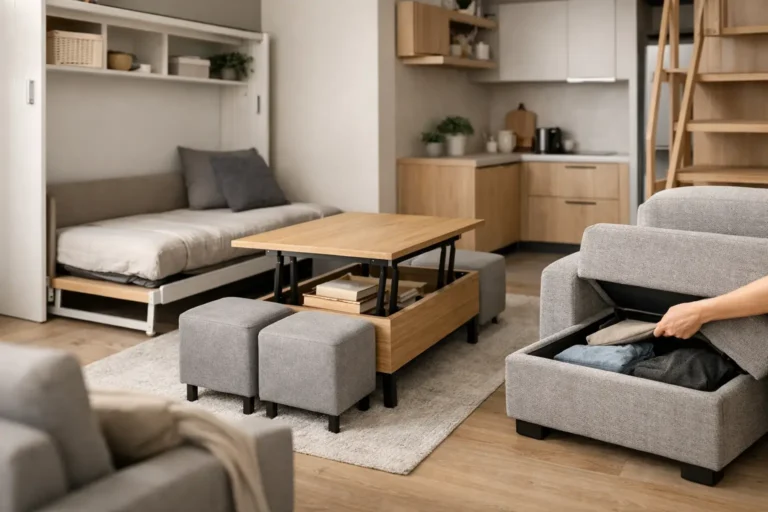
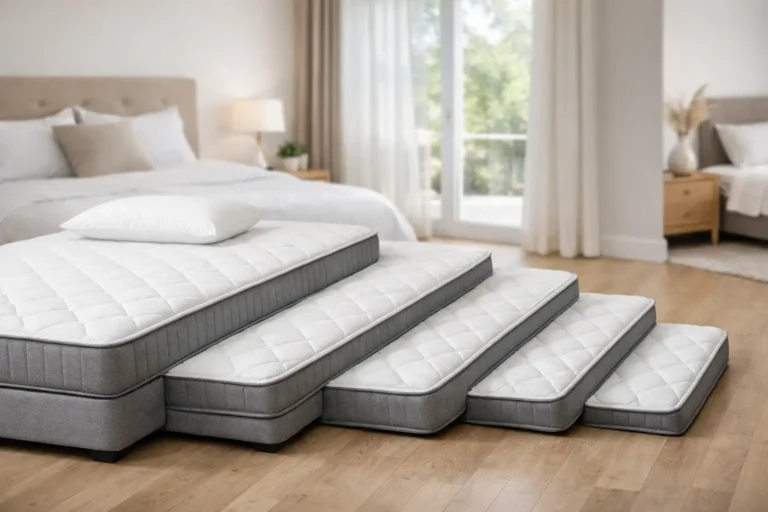
A sofa bed needs its own planning. Measure the open bed length, then leave enough clearance to pull it out without moving every coffee table in the room. For homes that regularly host guests, a compact sofa bed can be a smart use of space. For occasional overnight stays, a comfortable standard sofa plus a foldable guest mattress may be the more practical choice.
Choose a Layout That Works on Ordinary Days
Think beyond the day the sofa arrives. How does your household actually relax? A straight three-seater works well when you need an open layout and flexible furniture placement. An L-shaped sectional gives a family more room to spread out and can help define a living area in an open-plan home.
A chaise sofa is ideal for someone who likes to put their feet up, but it can limit rearranging later. Modular sofas offer more flexibility because sections can be reconfigured as your home or needs change. That versatility often comes at a higher price, so it is worth paying for only if you expect to move, host often, or change your layout frequently.
If a room is small, avoid assuming a smaller sofa is always the answer. A narrow, well-proportioned three-seater may provide better seating than a bulky two-seater with oversized arms. Visual weight matters, too. Slim arms, raised legs, and a lighter fabric can make a sofa feel less imposing without sacrificing comfort.
Judge Comfort From the Construction Details
You cannot test an online sofa in person, but you can learn a lot from the specifications. Start with the frame. Solid wood or engineered wood frames can both be dependable when properly constructed. What you want to avoid is vague product information that says little about the internal structure, support system, or cushion filling.
For cushions, foam density affects how a sofa feels and how well it holds its shape. Higher-density foam typically offers firmer support and better durability, while softer foam may feel plush initially but can compress faster. Fiber-filled back cushions create a relaxed, sink-in look, though they usually need regular fluffing to stay neat.
Suspension is another useful indicator. Sinuous springs are common and provide supportive, even seating. Webbing can also work well, especially in lighter designs, but the quality of the webbing and frame construction matters. If the description is unclear, ask the retailer directly rather than guessing.
There is no universal “best” seat feel. A firm sofa can be better for upright conversation, working from a laptop, and households that want long-lasting support. A softer sofa suits movie nights and relaxed lounging. Consider how you use the room most often, not just the first five minutes of comfort.
Pick Fabric for Your Real Life
Fabric is where lifestyle should lead the decision. A pale boucle sofa may suit a quiet, design-focused home, while a busy household with children, pets, snacks, and frequent guests may benefit from a more forgiving textured weave or easy-clean upholstery.
Performance fabrics are designed to resist stains, fading, or everyday wear, although “performance” is not a single standard. Ask what cleaning method is recommended and whether removable cushion covers are washable. If a retailer provides fabric swatches, use them. View them in daylight and evening lighting, and place them beside your wall color and flooring before committing.
Leather and leather-look upholstery have different trade-offs. Genuine leather can develop character over time and is easy to wipe clean, but it may feel cool at first and can show scratches. Synthetic leather is often more affordable and uniform in appearance, but its long-term durability varies significantly by quality. Read the material description closely rather than assuming every leather-look sofa performs the same way.
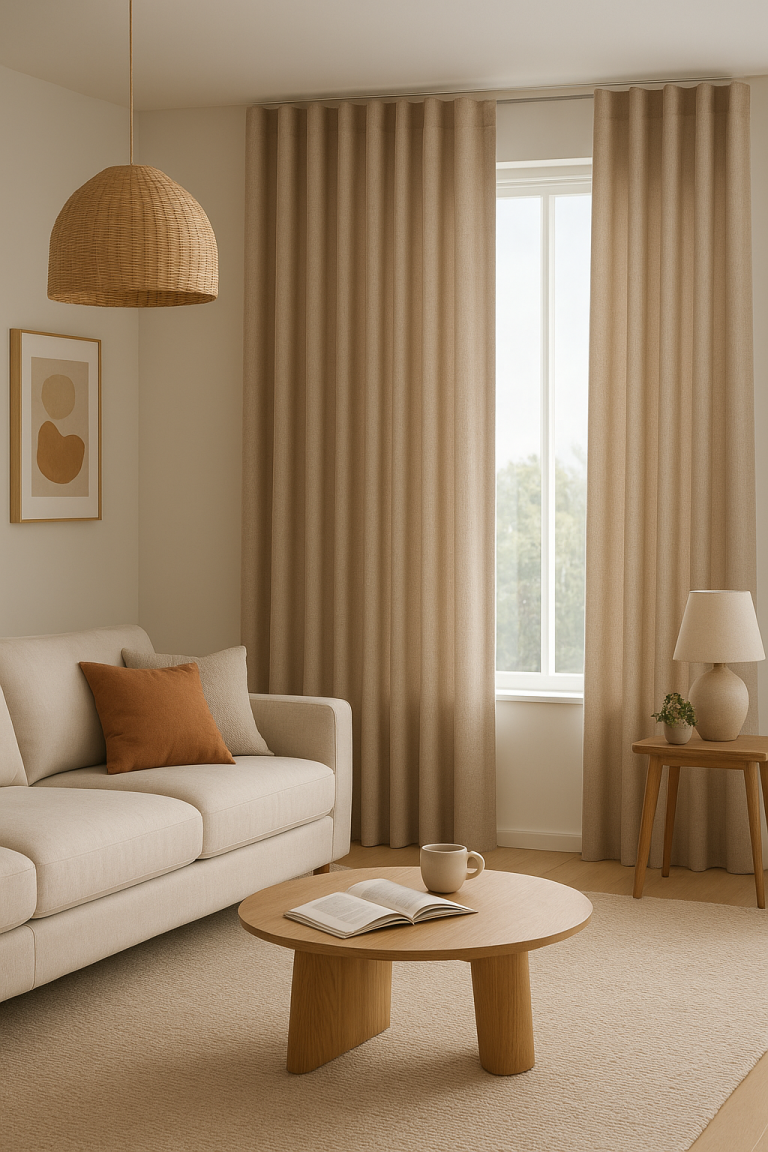
Color deserves a practical decision, too. Neutral tones are flexible and easier to live with through changing décor, but they are not automatically low-maintenance. Very light beige can show denim transfer and spills, while very dark colors reveal lint and pet hair. Mid-tone grays, taupes, muted greens, and textured fabrics often strike a useful balance.
Read the Fine Print Before You Pay
The final stage of how to buy a sofa online is checking the service details that product photos cannot show. Confirm the delivery method, whether the team brings the sofa into the room, and whether assembly is included. Some sofas arrive fully assembled, while others need legs attached or modules connected.
Review the return, exchange, and warranty policies before placing an order. Upholstered furniture may have different return conditions from smaller home items, particularly once it has been delivered or assembled. Also check expected lead time. Ready-stock sofas are useful when you need seating quickly, while made-to-order upholstery can give you more fabric choices but requires patience.
Price should be evaluated as the full cost of ownership, not only the headline discount. Delivery, assembly, warranty coverage, and installment options can all affect value. A direct-to-consumer retailer such as Catnap Lair can be a sensible option when you want competitive pricing and guidance without the pressure of a traditional showroom sale. If you can visit a showroom, use the opportunity to compare seat firmness, fabric texture, and back support in person before ordering online.
Finally, save screenshots of the product dimensions, fabric selection, delivery estimate, and order confirmation. It is a small habit that makes it easier to verify every detail later. The right sofa should make daily life more comfortable, not create a long list of compromises – so give yourself permission to pause until the fit, feel, and service terms all make sense.