
Picture a condo handover month where dozens of owners are all shopping for the same things at once – mattresses, beds, blinds, curtains, wallpaper, and digital locks. That is where a homeowners group buy example becomes useful, because it shows how shared demand can turn a stressful furnishing phase into a smarter, lower-cost purchase plan.
For new homeowners, the appeal is obvious. You are already juggling renovation quotes, delivery timing, and a budget that seems to shrink every week. A group buy works by consolidating interest from residents in the same project or community so a retailer can offer better pricing, coordinated service, or package benefits that would be harder to get as a single buyer.
The idea sounds simple, but the value depends on how the program is structured. Some group buys are genuinely helpful. Others look attractive on paper but fall short once you examine product quality, inclusions, and after-sales support. That is why a real-world style example matters more than a vague promise of savings.
A practical homeowners group buy example
Imagine 25 households in a newly completed residential project. Most of them need at least a mattress and bed frame, while a good number also want blinds, curtains, or digital locks. Instead of each household shopping separately, a furnishing retailer creates a project-based offer.
The deal might work like this: if 10 households confirm mattress purchases, everyone in the mattress program receives a lower price tier. If 15 households add bed frames, the supplier can bundle delivery coordination and offer further value, such as discounted upgrades to a storage bed or drawer bed. If enough homeowners request window treatments, the retailer can schedule site measurements in batches, which lowers operating costs and helps keep prices more competitive.
Now let us make it more concrete. Say a couple wants a queen storage bed and a premium mattress for their primary bedroom. Buying individually, they might pay standard retail pricing plus separate consultation, delivery scheduling, and product coordination. Under a group buy, the same couple may receive project pricing, a better package rate, or added perks such as reduced upgrade fees, installment flexibility, or bundled consultation across multiple categories.
The savings are not always a giant headline discount. Sometimes the better value comes from small practical gains that add up – lower per-item pricing, fewer delivery charges, smoother scheduling, and one coordinated point of contact instead of five different vendors.
Where the savings really come from
A lot of homeowners assume group buys are just bulk discounts. That is part of it, but not the whole picture.
Retailers save time when many buyers come from the same development. Product recommendations become more efficient because layouts are often similar. Delivery planning improves when multiple homes are in one location. Measurement appointments for blinds, curtains, or wallpaper can be organized more efficiently. In some cases, commonly requested sizes or furnishing combinations can also be prepared in advance.
That efficiency is what creates room for better pricing or stronger package value. It is especially relevant for practical purchases such as mattresses, bed frames, roller blinds, combi blinds, curtains, and digital locks – products that many new homeowners need within the same move-in window.
This is also why group buys often make more sense for full-home furnishing than for one niche decorative item. The broader the need across the community, the more useful the program tends to be.
Why this matters for first-time homeowners
For a first-time buyer, the real benefit is not just paying less. It is making fewer expensive mistakes.
Many couples furnishing a first home are choosing among mattress brands, storage bed formats, and window solutions for the first time. They are comparing comfort, support, cooling features, room dimensions, and budget all at once. A structured group buy can make the process easier because the retailer has already seen the same floor plans, common room sizes, and typical space constraints.
That matters in smaller homes where every inch counts. A storage bed may make more sense than adding another cabinet. A pullout bed may work better for a guest room than a bulky second frame. The right blind type can affect light control and privacy in a way that looks minor during shopping but becomes obvious after move-in.
When the seller understands those practical trade-offs, the group buy becomes more than a discount event. It becomes guided furnishing support.
What a good homeowners group buy example includes
A good program is clear about what you are getting. It should explain whether the benefit is lower pricing, package discounts, free upgrades, coordinated services, or a mix of these.
It should also be transparent about qualifying terms. Does the offer activate only after a minimum number of buyers? Are all models included, or only selected ranges? Can you mix categories, such as a mattress plus a bed frame plus blinds? Are delivery and installation included, or charged separately?
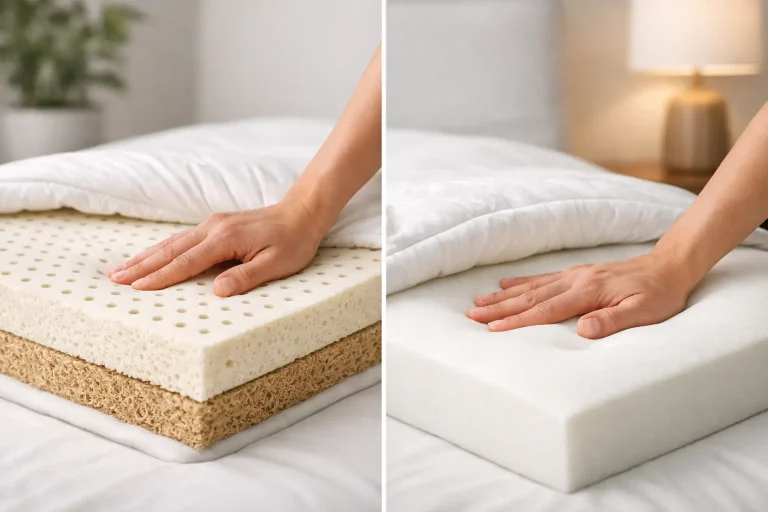
For mattresses in particular, the details matter. A promotion is only worthwhile if the comfort level suits your body and sleep habits. A firmer option may work well for one couple and feel too hard for another. A cooling-focused mattress may be worth the upgrade if you sleep warm, but not every buyer needs the same specification. Good advice beats a flashy bundle every time.
That is why experienced furnishing retailers often combine project pricing with consultation. If a buyer ends up with the wrong mattress or wrong bed configuration, the cheapest deal stops being cheap.
Red flags to watch before joining
Not every homeowners group buy example is a good one. The weak versions usually show the same problems.
First, the advertised discount may be based on inflated starting prices. Second, the product range may be too narrow, leaving homeowners stuck with options that do not actually fit their needs. Third, after-sales support may be unclear. If your delivery schedule changes or an item needs service attention, you want to know who is responsible.
Another common issue is overbuying. Group buys can tempt homeowners into taking full-house packages before they are ready. Sometimes that works well, especially if you are furnishing multiple rooms at once. Sometimes it creates budget pressure for products you have not fully considered yet. It depends on your move-in timeline, cash flow, and whether the package genuinely fits your home.
A useful rule is simple: do not join a group buy just because other homeowners are joining. Join because the products, terms, and service make sense for you.
How to evaluate a group buy like a smart buyer
Start with the essentials. If you are furnishing a bedroom, focus first on the mattress and bed frame. Those are high-impact purchases you use every day. Comfort, support, and size matter more than chasing the biggest discount label.
Then look at how the package affects your total setup cost. A slightly better mattress with strong support and cooling may deliver more long-term value than saving a little on a model that does not suit you. The same goes for bed frames. A storage bed can cost more upfront than a basic platform bed, but it may save you from buying extra storage furniture later.
Ask practical questions. How are measurements handled for blinds or curtains? What is the installation lead time? Are there showrooms or product consultations available? Can the retailer advise on compact room layouts, guest room flexibility, or family-friendly choices? These are the details that separate a smooth furnishing experience from a frustrating one.
If the seller offers in-house installment plans, that can also change the equation. A group buy is not just about the lowest immediate cash outlay. For many households, manageable payment planning is part of what makes a purchase realistic.
When a group buy is worth it, and when it is not
A homeowners group buy usually makes sense when many residents need similar products at the same time, the retailer has credible project experience, and the terms are transparent. It is especially useful for move-in periods where coordination matters as much as pricing.
It may be less useful if your home needs are very specialized, your renovation schedule is uncertain, or the available options feel too restrictive. If you need highly customized pieces or want to compare widely across different design styles, an open-market approach may suit you better.
For most practical households, though, a well-run group buy can remove a lot of friction. That is why project-based furnishing support has become so relevant for new homeowners, especially those trying to balance comfort, budget, and space efficiency. Brands such as Catnap Lair lean into this because the real value is not only selling products – it is helping homeowners furnish faster, more confidently, and with fewer mismatched decisions.
A good group buy should leave you feeling informed, not rushed. If the pricing is fair, the advice is honest, and the products fit how you actually live, that is when shared buying power starts to work in your favor.